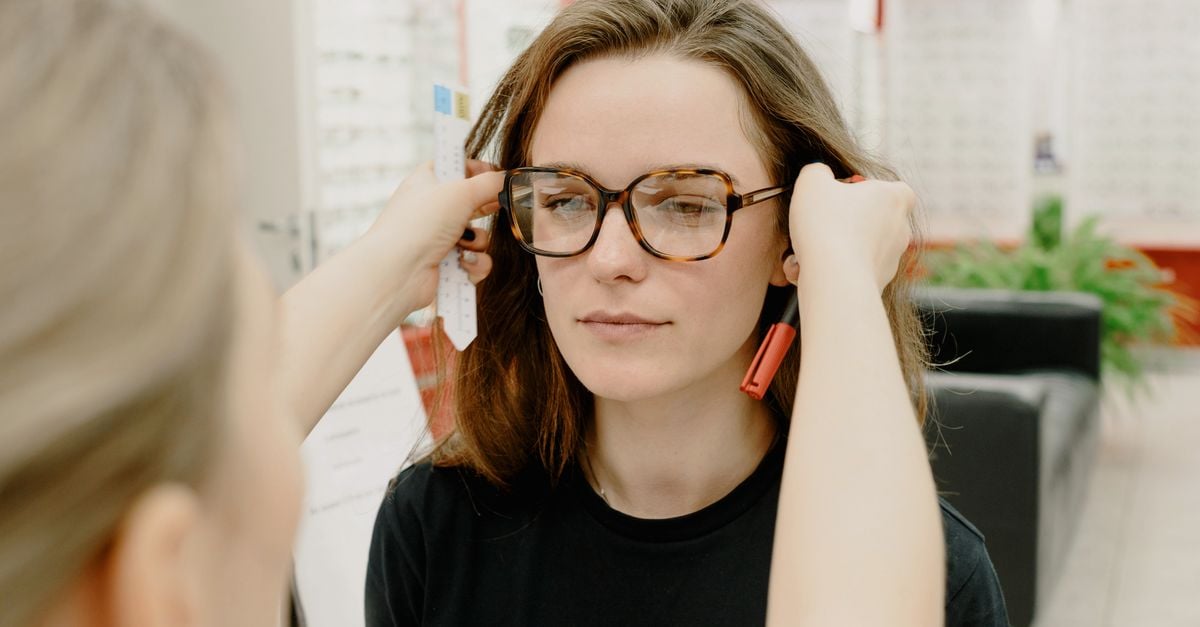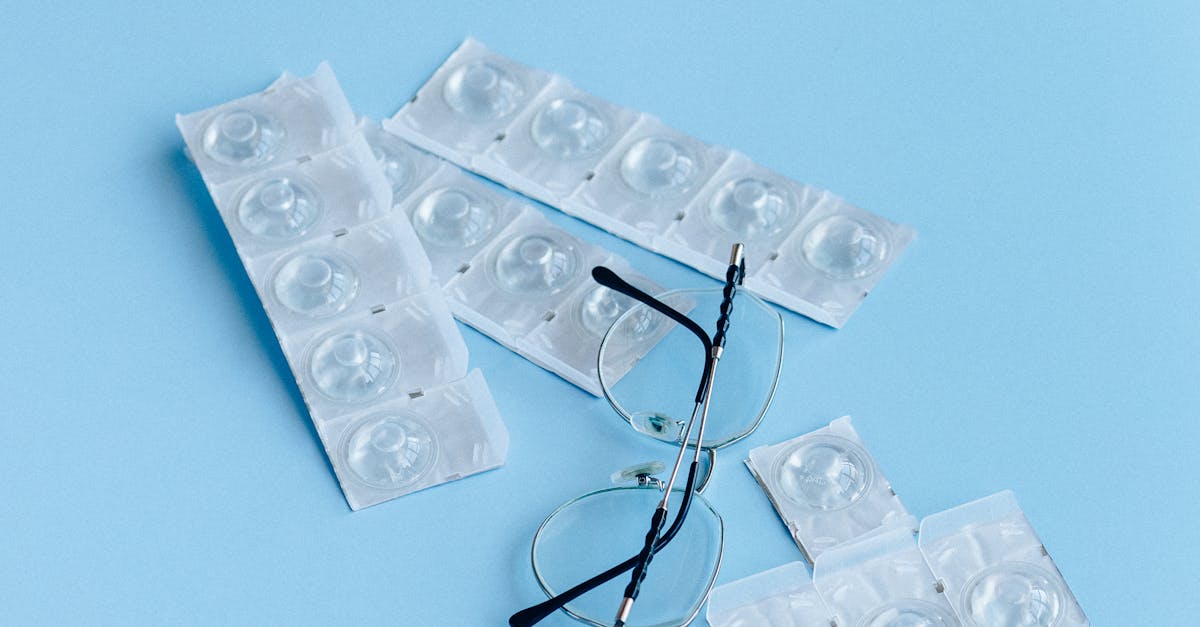
Many Glendale Heights residents are surprised to learn that their contact lens prescription does not match their glasses prescription—and that using the wrong numbers can lead to blurry vision or discomfort. Whether you are switching to glasses after contact lens wear or considering ordering new frames, understanding why these prescriptions differ is vital for sharp, comfortable sight. At iDoctor, our convenient location near Jewel-Osco and Army Trail Road makes us the go-to stop for expert prescription conversions and personal vision care, serving not only Glendale Heights but also patients from Bloomingdale, Glen Ellyn, and beyond.
In this guide, you’ll learn why contact and glasses prescriptions require conversion, how errors happen, and what steps our team uses for crystal-clear results.

What Is Contact Lens to Glasses Prescription Conversion?
Glasses sit about 12 millimeters from your eyes, while contact lenses rest directly on your cornea. This physical distance, known as vertex distance, changes how lens power works for your vision needs. For lower prescriptions (under ±4.00 diopters), contact and glasses numbers can be similar. For higher prescriptions, especially for people with nearsightedness or farsightedness over 4.00 diopters, the difference becomes significant. Failing to convert these values accurately can make your new glasses feel off—even if the contact lens prescription itself is perfect.
Here is what’s different between your two types of prescriptions:
- Sphere (SPH): The main power for distance or near vision. This requires conversion for stronger prescriptions.
- Cylinder (CYL) and Axis: These correct astigmatism and may need to be fine-tuned when switching from toric contacts to eyeglasses.
- Base Curve (BC) and Diameter (DIA): These are unique to contacts and do not appear in glasses prescriptions.

Why the Numbers Change and Why It Matters
At iDoctor, we use precise digital phoropters to determine your glasses prescription, and carefully apply vertex distance formulas before recommending a conversion. Here is a simplified view of the process:
- Measure your spectacle prescription using digital phoropters for highest accuracy.
- Apply the vertex distance formula, meaning we adjust the value for distance between the lenses and your eye. Example: For a glasses prescription of -6.00D, the converted contact lens value typically drops to -5.50D.
- If you are changing from contacts to glasses, we work backward to increase the power for glasses as needed, especially for high prescriptions.
- Base curve and diameter do not transfer to glasses, which often leads to confusion if patients try to order glasses using only their contact lens details.
- Personalize the adjustment for astigmatism (cylinder and axis), as these may need fine-tuning.
Most errors happen when patients assume the same number works for both contacts and glasses, or when using online conversion tools without clinical measurements. Our clinical process ensures accuracy, comfort, and optimal clarity.
| Glasses Prescription (SPH) | Approximate Contact Lens (SPH) |
|---|---|
| -4.00D | -3.75D |
| -6.00D | -5.50D |
| -8.00D | -7.00D |
| +4.00D | +4.25D |
| +6.00D | +6.50D |
Remember: This chart serves as a general guide. For your eyes, always have a licensed optometrist check the details.
Local Benefits of Getting Prescription Conversions in Glendale Heights
At iDoctor, patients from Glendale Heights, Carol Stream, Addison, and beyond benefit from personalized service and advanced tools. We are minutes from Army Trail Road and Bloomingdale Road, next to Jewel-Osco—a convenient landmark for those coming from Glen Ellyn or Bloomingdale.
Our office features:
- Digital phoropters and high-resolution Optikam digital lens measurements for glasses adjustments.
- Widefield imaging (Optomap) and gentle Icare tonometer for comprehensive eye health checks.
- Boutique frame selection from designer brands and an expert optical team ready to assist in frame and lens choices.
- Same-day and next-day appointments for your convenience.
- Acceptance of all major insurances, including VSP, Eyemed, Cigna, Humana, Superior Vision, Davis Vision, NVA, Spectera, and UnitedHealthcare Vision.
- Clear $125 Value Package for uninsured patients (frame, premium lenses, anti-reflective coating).
- Lifetime adjustments on all eyewear purchased with us.
“Dr. Sayed explained my prescription conversion perfectly. I finally see clearly with my new Tom Ford frames!” – iDoctor patient
If you want help troubleshooting prescription issues from an online glasses order, read our blog on glasses feeling wrong after using a contact-to-glasses converter.
Frequently Asked Questions
Do I need to convert my contact lens prescription to glasses?
Yes, especially for prescriptions over ±4.00D. The numbers should be professionally adjusted to account for vertex distance. Below this, values can often be matched directly, but our optometrist always checks for your specific needs.
Can I use my glasses prescription to order contact lenses?
No. Contact lens prescriptions require additional details not found in glasses prescriptions, such as base curve and diameter. Schedule a contact lens exam at iDoctor for safe and comfortable fitting.
How long does a contact lens fitting take at iDoctor in Glendale Heights?
Most contact lens exams and fittings take around 45-60 minutes at our office. We include corneal mapping, trial lenses, and over-refraction for best results. Same-day and next-day bookings are often available.
What insurances do you accept for prescription conversions and fittings?
We accept the full range of major vision insurances: VSP, Eyemed, Cigna, Humana, Superior Vision, Davis Vision, NVA, Spectera, UnitedHealthcare Vision. Our team will verify your benefits and help you maximize your coverage.
How quickly can I get new glasses after converting my prescription?
Glasses ordered at iDoctor using Optikam digital measurements are usually ready within 7–10 days. We offer rush options, and all eyewear receives complimentary lifetime adjustments.
How to Book Your Conversion and Fitting Today
Avoid frustration with mismatched numbers or incorrect online orders—our clinical conversion process ensures your new frames or contacts are tailored exactly to you. Here’s how easy it is to get started at iDoctor:
- Call or text us: (630) 454-6899
- Book online right here
- Stop by: 132 E. Army Trail Rd., Glendale Heights, IL 60139 (next to Jewel-Osco, minutes from Lombard and Addison)
- Bring your most recent prescription (if available), insurance card, and any current glasses or contacts.
Practical Advice for a Seamless Experience in Glendale Heights
- If your prescription or fit hasn’t felt right in the past, ask about our advanced digital phoropter and Optikam systems during your exam.
- We recommend annual eye exams, especially for anyone switching between contacts and glasses.
- If you have a complex prescription (astigmatism, high myopia, or multifocal needs), we can adjust both your contacts and glasses for ideal comfort and vision.
- We’re happy to explain every aspect of your prescription and walk you through options to avoid errors with online orders or quick chain store visits.
Curious about improving fit, comfort, or reducing lens distortion? Review our thorough comparison of the best progressive lenses for maximum clarity.