Each spring, many people in Glendale Heights find their contact lenses nearly unbearable—itching, burning, and blurry vision set in as allergy season arrives. For those who rely on contacts for daily life, this can disrupt vision, comfort, and productivity. The right approach can help most allergy sufferers continue wearing lenses safely, and iDoctor is recognized as the trusted local resource for advanced care and expert guidance with spring allergies and contact lens wear. Conveniently located minutes from Bloomingdale and Carol Stream, our practice is specifically equipped to address these challenges for the Glendale Heights community and neighboring areas.
As your go-to provider for Glendale Heights contact lenses, iDoctor not only restores comfort during the toughest allergy months but also specializes in customized, technology-driven solutions designed for lasting results.
What Causes Contact Lens Discomfort During Spring Allergies?
When seasonal allergies flare up across Glendale Heights, the combination of pollen, outdoor mold, and dust can cause the eyes to become red, itchy, and inflamed. Contact lenses tend to amplify these symptoms by trapping allergens against the sensitive tissues of your eyes, breaking down your tear film, and making irritation more likely.
- Allergic conjunctivitis: Swelling and redness in the thin tissue covering the eye and eyelids.
- Tear film instability: Allergies disrupt natural lubrication, resulting in dryness and discomfort.
- Allergen build-up on lenses: Pollen and debris adhere to contacts throughout the day.
These physiological changes explain why even the best contact lenses can become suddenly uncomfortable in March or April, especially if you spend time outdoors near green spaces—in neighborhoods like Glen Ellyn, Wheaton, or Addison, for example.
Key Signs Your Lenses and Allergies Aren’t Working Together
- Itching or burning that worsens within hours of lens wear
- Sticky discharge or stringy mucus formation
- Persistent redness not relieved by rewetting drops
- Blurry or variable vision, even with a current prescription
- Needing to remove lenses by midday due to discomfort
If these symptoms persist for more than a few days per week, scheduling a professional evaluation at iDoctor is the best step forward. For further reading, explore our guide on why contact lenses get cloudy and what usually fixes it.
How iDoctor in Glendale Heights Provides Solutions for Allergy-Prone Contact Lens Wearers
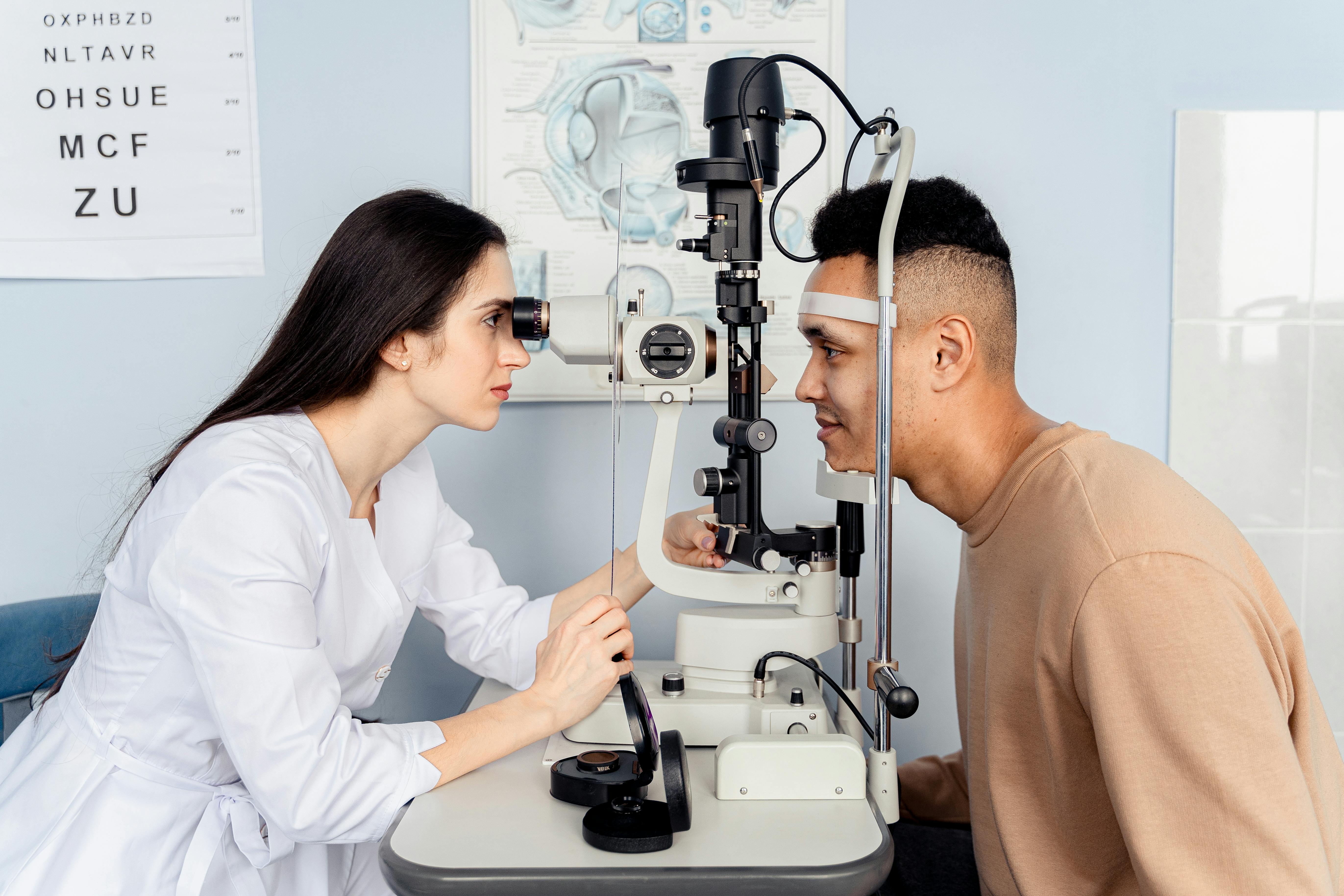
At iDoctor, every patient facing contact lens issues from allergies starts with a personalized, detailed evaluation. We recognize that comfort and vision clarity depend on meticulous diagnosis, advanced technology, and tailored treatment plans.
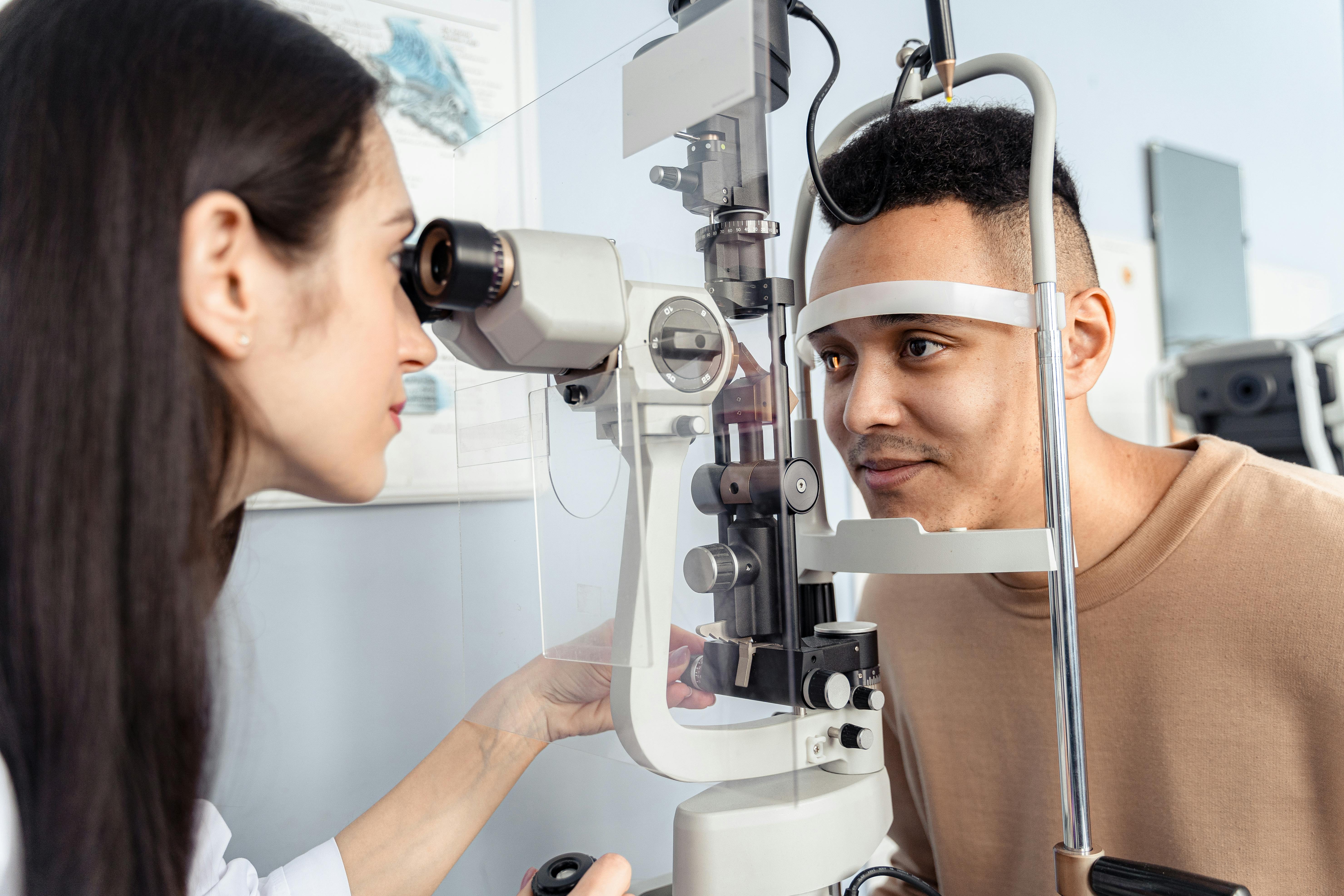
1. Comprehensive Allergy and Contact Lens Evaluation
- History & symptom tracking: We map out the seasonality and severity of symptoms, down to the places and periods when discomfort spikes.
- Digital prescription check: Our digital phoropters deliver highly accurate, comfortable vision assessments, crucial during times of inflammation or irritation.
- Corneal and eyelid analysis: Dr. Saher Sayed assesses the eye’s surface, eyelids, and tear film, identifying allergy-related bumps or contact lens inflammation.
- Tear film and fit assessment: Testing how your tears and your specific lens material interact guides next steps.
- Advanced retinal imaging: Using Daytona Optos technology, we scan the retina quickly and thoroughly, supporting overall eye health—not just symptoms at the surface.
2. Allergy-Friendly Lens Options and Fitting
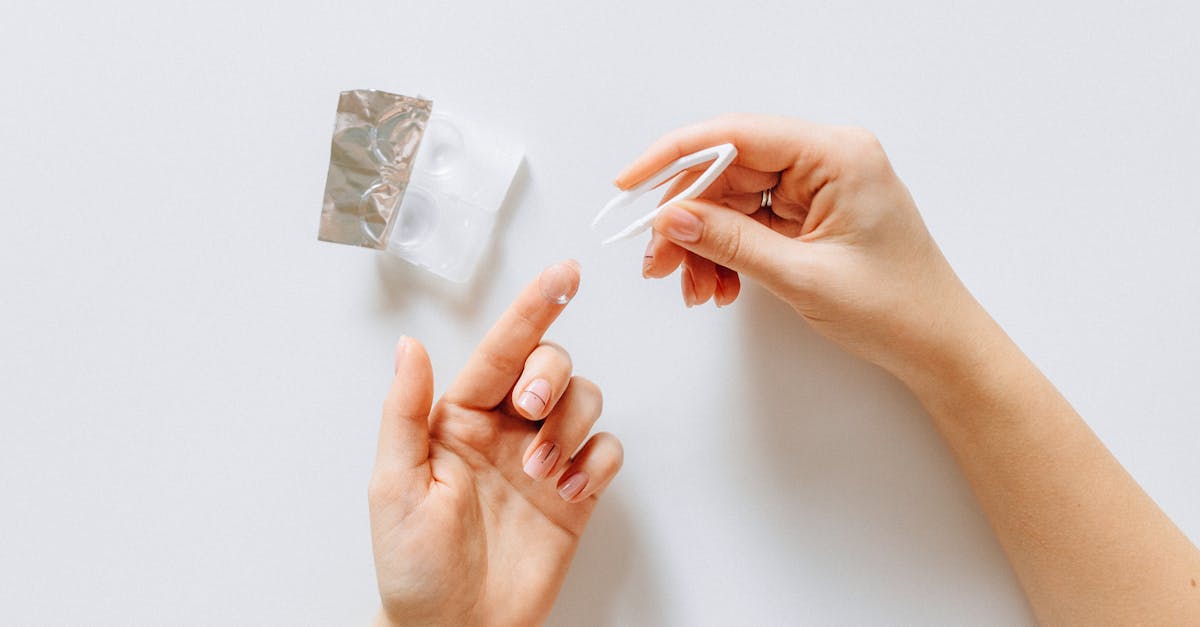
We regularly help patients from Bloomingdale, Lombard, and Addison who thought they had to give up contacts during spring. In many cases, switching to an allergy-friendly daily lens and upgrading care routines restores all-day comfort.
- Daily disposables (Acuvue, DAILIES, Clariti, MyDay): Fresh lenses each day prevent allergen and deposit build-up. Perfect for seasonal flare-ups.
- High-oxygen silicone hydrogel lenses (Biofinity, Air Optix, Ultra): Enhanced breathability promotes healthier eyes, especially with moderate allergy symptoms.
- Custom toric or multifocal options: For astigmatism or presbyopia, crisp vision means less strain and better tolerance when allergies hit.
3. Targeted Allergy and Dry Eye Management
- Contact-compatible rewetting drops: Only using drops formulated for lenses protects your eye health.
- Prescription allergy drops: When indicated, medicated drops can reduce itching and irritation, allowing for safer contact lens wear.
- Eyelid cleansing and compress protocols: Keeping the eyelids clean and tear glands healthy lessens both allergy and dry eye issues.
- Structured “glasses break” approach: During intense symptoms, we may advise switching to glasses for a short period while using prescribed treatments, then safely returning to contacts once comfort rebounds.
Premium prescription glasses are available on-site—including designer frames from Ray-Ban, Tom Ford, Cartier, and Prada—so you always have a fashionable, clear-vision backup if needed.
4. Continuous Support and Fine-Tuning
Our approach does not end after one appointment. We provide a follow-up visit after the initial fitting, usually within 7 to 10 days, to address any fine adjustments. This ongoing attention helps ensure you can wear your contacts comfortably even when allergy season is at its peak.
Why Choose iDoctor in Glendale Heights for Contact Lens and Allergy Care?
- Advanced diagnostics: High-resolution imaging and the latest technology for precise assessments.
- Expertise with sensitive, complex cases: Led by Dr. Saher Sayed, whose experience spans clinical and boutique optical settings, our team delivers clear, practical solutions.
- Convenience & access: Located at 132 E. Army Trail Rd., minutes from Bloomingdale and Addison, with ample parking near Jewel-Osco and flexible hours.
- Insurance accepted: We welcome VSP, Eyemed, Cigna Vision, Humana, Superior Vision, Davis Vision, NVA, Spectera, and UnitedHealthcare Vision.
- Immediate appointments: Many patients can schedule same- or next-day visits—crucial in early or peak allergy season.
- Boutique optical selection: Up-to-date designer eyewear, precision lens technologies, and in-house custom fitting for every profile.
- See our comparison of stylish and comfortable frames for sensitive skin.
Patients regularly make the short trip from Glen Ellyn or Wheaton to benefit from our personalized care and superior product selection.
Local Benefits: Why Glendale Heights Trusts iDoctor
- Easy access from Army Trail and Bloomingdale Roads: The office is easy to find, just past Jewel-Osco, with plentiful on-site parking.
- Immediate availability: We understand allergies don’t wait, so we prioritize urgent appointments for rapid relief.
- Insurance and value: In addition to major vision plans, uninsured patients benefit from value packages, including frames, lenses, and coatings at competitive prices.
- Boutique experience: Expect attentive, personalized treatment from experienced opticians and support staff.
- Local testimonials: Patients consistently praise Dr. Sayed for her thoroughness, compassion, and clear explanations.
- One wrote, “She took the time to explain everything in a way that made sense.”
Frequently Asked Questions About Allergy and Contact Lens Care in Glendale Heights
Do I have to stop wearing contacts during spring allergies?
Not always. Many patients can continue wearing contacts by switching to daily disposables, using allergy drops safe for contacts, and improving eyelid hygiene. Sometimes, a short break with glasses is needed during severe flare-ups. Our goal at iDoctor is to keep you in your preferred vision correction whenever possible.
What’s the fastest way to book an appointment if I’m struggling with lens irritation?
Call iDoctor at (630) 454-6899 or book online. Most patients from Glendale Heights, Bloomingdale, or Carol Stream can be seen within one business day.
Which insurance plans do you accept for allergy and contact lens care?
We accept VSP, Eyemed, Cigna Vision, Humana, Superior Vision, Davis Vision, NVA, Spectera, and UnitedHealthcare Vision. If you’re not insured, ask about our value package for glasses and lenses.
Is there on-site parking? How easy is it to get to the office?
Yes, on-site parking is available at 132 E. Army Trail Rd., near the intersection with Bloomingdale Road. We’re within minutes of Addison, Glen Ellyn, and Lombard.
How long does it take to get new glasses or allergy-friendly contacts?
Trial contact lenses are often available on the same day. Glasses are typically ready in 7 to 10 business days, depending on lens complexity and coatings.
How to Book Relief-Oriented Contact Lens & Allergy Care Today
Ready for Finally Comfortable Vision?
Schedule your exam online or call iDoctor at (630) 454-6899. Bring your current lenses, glasses, solutions, and a list of medications, so we can create the best spring allergy care plan for you. Visit us at 132 E. Army Trail Rd., Glendale Heights.
Accepting major insurance, immediate appointments available. Personalized care from Dr. Saher Sayed and team—just a quick drive from Bloomingdale or Addison.
With the right optometrist and a proven strategy, even severe spring allergies don’t have to mean giving up contact lenses. If allergy symptoms are getting in the way of comfortable, clear vision, iDoctor in Glendale Heights is here to help you see what’s possible again—every season of the year.