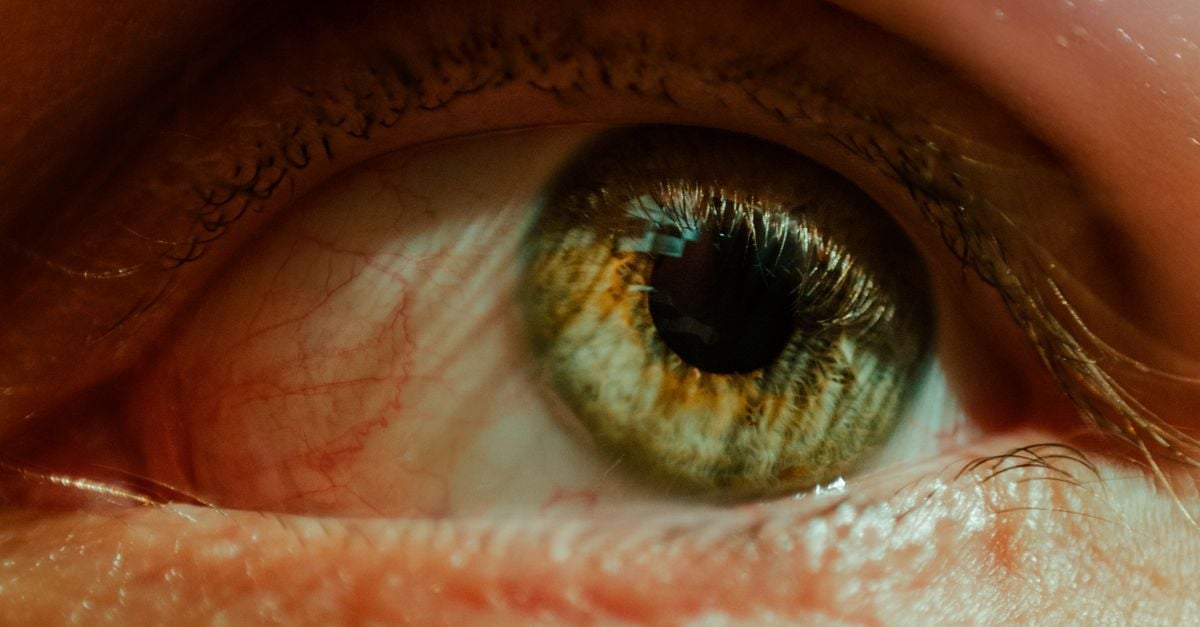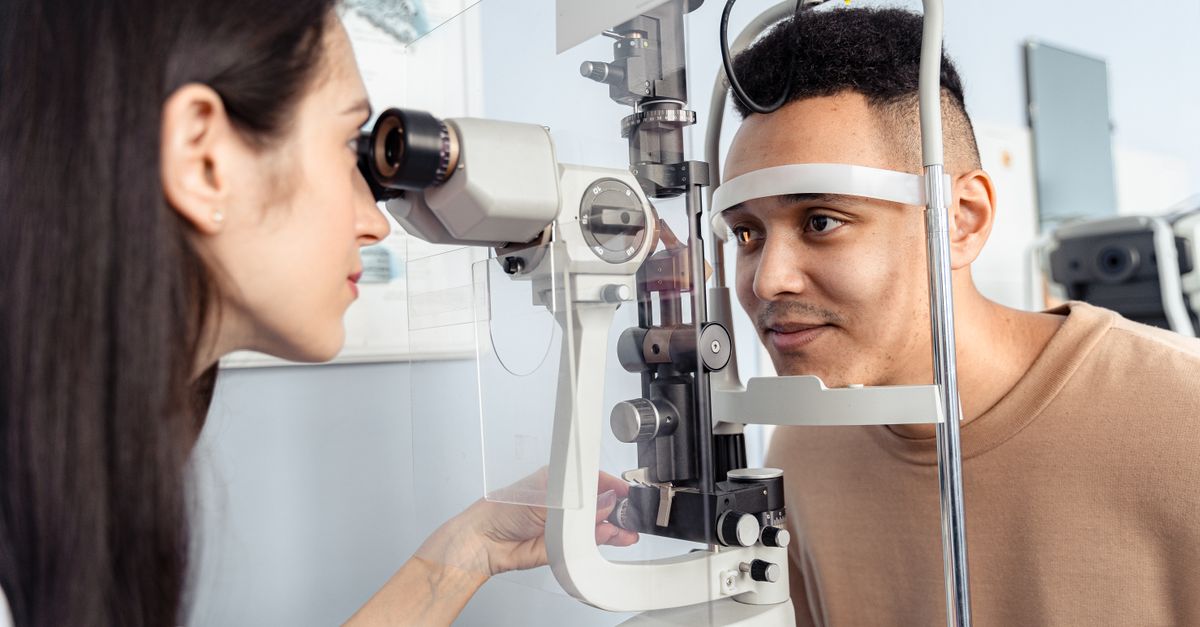
Vision-threatening eye problems often begin without pain or warning, making early detection crucial for life-long sight. In Glendale Heights, silent conditions like glaucoma, diabetic retinopathy, and early macular degeneration are common concerns—and retinal imaging is the key to detecting them before they affect your vision. Using technology like ultra-widefield Optos imaging at iDoctor, local residents and families can safeguard their eyesight by finding issues before symptoms start. If you need an eye doctor in Glendale Heights who blends boutique care with advanced diagnostics, iDoctor delivers a solution trusted by patients from Bloomingdale to Carol Stream.
What Is Retinal Imaging and How Does It Work?
Retinal imaging is a noninvasive digital scan that captures high-resolution photos of the back of your eye, including your retina, macula, and optic nerve. At iDoctor, we use the Daytona Optos system—delivering a 200-degree view in less than half a second, usually without needing dilation. This lets us spot subtle changes invisible to standard exams or routine fundus checks.
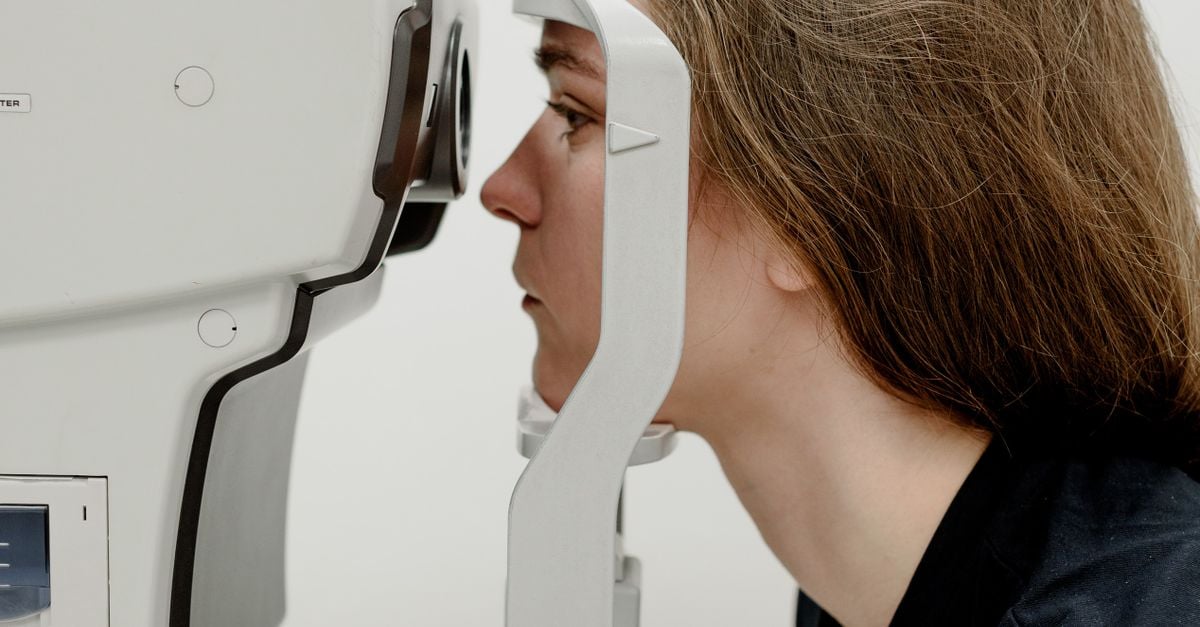
Here’s what to expect during your retinal imaging at iDoctor:
- Positioning: Rest your chin, look at a comfortable target, and hold your eyes open briefly.
- Ultra-widefield capture: Our Optos system photographs nearly the entire retina in 0.4 seconds per eye—often with no need for dilation.
- Immediate doctor review: Your scans are displayed instantly, so Dr. Saher Sayed can review them with you and explain any findings.
- Careful annual comparison: Each image is saved, allowing us to track subtle changes from year to year and intervene early if problems emerge.
Retinal imaging complements, but does not replace, a full comprehensive eye exam. It provides deeper insight to conditions that can impact long-term vision and health.
Key Eye and Health Conditions Detected Early by Retinal Imaging
Many eye diseases advance painlessly and can damage the eyes before vision changes. At iDoctor in Glendale Heights, retinal imaging is especially valuable for catching:
- Diabetic retinopathy: Pinpoint microaneurysms, bleeding, and swelling long before sight is affected—crucial if you live with diabetes.
- Glaucoma: Thinning of the retinal nerve fiber layer and subtle optic nerve changes, which point to early but still treatable stages.
- Age-related macular degeneration (AMD): Drusen (yellow deposits), pigment changes, or fluid accumulation—years before reading or driving become difficult.
- Retinal tears or detachment: Detects thinning or tiny tears in the retina’s periphery so you can be referred urgently before a full detachment occurs.
- Vascular disease: Signs of high blood pressure, abnormal blood vessel changes, or cholesterol deposits often alert patients to health risks elsewhere in the body.
- Ocular tumors and inflammation: Rare but serious, these findings may otherwise go unnoticed for years.

Because retinal imaging is painless and takes only minutes, it is routinely included in annual eye exams at iDoctor. For those in nearby Glen Ellyn or Wheaton who may have diabetes, family history of glaucoma, or simply want peace of mind, this technology allows for safer, more precise preventive care.
Retinal Imaging vs Traditional Eye Exams: Why It Matters
- Traditional exams assess prescription and basic health, but can miss structural damage only seen through imaging.
- Retinal imaging captures fine detail (such as nerve fiber thinning or subtle bleeding) that is often invisible with older methods.
- High-resolution scans provide a permanent record for reliable monitoring year to year.
If you’re interested in how advanced measurements can impact the quality of your eyewear, explore Optikam digital fitting for glasses in Glendale Heights—a process we combine with retinal image findings for custom lens recommendations.
Local Benefits of Retinal Imaging in Glendale Heights
Accessible, High-Tech Care Close to Home
iDoctor is located at 132 E. Army Trail Rd., just past Jewel-Osco and the Army Trail and Bloomingdale Roads intersection, minutes from Addison and Lombard. We serve the full Glendale Heights area, bringing high-resolution retinal imaging and boutique optical expertise together under one roof.
- No light sensitivity for most patients: Our widefield imaging usually avoids traditional dilation, so you can drive or work immediately after your visit.
- Immediate review and comfort: Dr. Sayed shares your images as soon as they’re taken, using clear, professional explanations.
- Quick visits, flexible scheduling: Same- or next-day slots are frequently available, including evenings and weekends. Our process is designed for busy suburban families and working professionals.
- Insurance accepted: We verify benefits for VSP, Eyemed, Cigna, Humana, Superior Vision, Davis Vision, NVA, Spectera, and UnitedHealthcare Vision before your visit—ensuring clarity about any small out-of-pocket fees for imaging ($39 Optos scan, as posted).
Trusted by Local Patients for Precision and Education
“I’ve never had an eye doctor explain my prescription and retinal scans so clearly. The visuals and clear explanations made all the difference in understanding my eye health.”
— iDoctor patient
Our approach emphasizes education as much as it does precision—with real explanation of imaging findings and personalized advice at every step. For comprehensive, attentive service, our practice is well-reviewed by local families from Addison to Bloomingdale.
Advanced Equipment and Boutique Optical Experience
- Digital phoropters give highly accurate, comfortable prescription results.
- Visual field testing screens for glaucoma and other loss patterns.
- Optikam digital measurements ensure your glasses fit precisely, crucial for complex progressives and high-value lenses.
Our clinical philosophy pairs medical excellence with frame and lens expertise—so every detail of your eye health and comfort is addressed under one roof.

FAQs: Retinal Imaging in Glendale Heights
How often should I get retinal imaging?
Most adults benefit from annual retinal imaging as part of a comprehensive eye exam. If you have diabetes, glaucoma, macular degeneration, or any history of retinal problems, your doctor may recommend it every 6–12 months.
Is it covered by insurance?
Certain plans cover imaging as medically necessary, especially for diabetes or glaucoma. The iDoctor team will check your VSP, Eyemed, Cigna, Humana, Superior Vision, Davis Vision, NVA, Spectera, or UnitedHealthcare Vision benefits and make all costs clear before your visit.
Is the test painful or uncomfortable?
No. Retinal imaging at iDoctor is quick, noninvasive and painless. You look into the machine for a moment, feel a brief flash, and there is no physical contact with the eye.
Do I always need dilation?
Usually not. Our ultra-widefield imaging can eliminate the need for dilation in most standard exams. If you have symptoms, risk factors, or very specific eye conditions, Dr. Sayed may recommend dilation for added detail.
How long do eyeglasses take after an exam with imaging?
Most prescription glasses are ready within 7 to 14 days, depending on the lenses and frame you choose. The team provides an estimated turnaround and free adjustments with every order.
Where do I park, and is the office easy to reach?
There is ample surface parking in front of our office at 132 E. Army Trail Rd. Most patients from Bloomingdale, Glen Ellyn, Wheaton, Addison, or Lombard find the location easy to access.
Do you offer same-day or urgent appointments?
Yes. Same-day and next-day slots are frequently available for both routine retinal imaging and urgent medical eye concerns. Call or text to request the soonest opening.
How to Book Retinal Imaging and a Comprehensive Eye Exam at iDoctor
- Call or text (630) 454-6899 for the soonest available appointment.
- Have your insurance card ready—our team will verify coverage and benefits upfront.
- Bring current glasses or contact lens prescriptions for accurate comparisons.
- Decide on imaging at check-in; Optos widefield imaging is a recommended $39 add-on.
- Review your results with Dr. Sayed—she will explain what we see, answer questions, and outline any next steps clearly.
Call iDoctor at (630) 454-6899 or schedule a retinal imaging exam online in Glendale Heights.
Conclusion
Retinal imaging is one of the most effective ways to catch eye disease and vascular health problems before you ever notice any symptoms. At iDoctor in Glendale Heights, we use this technology alongside detailed comprehensive exams so every patient—from adults with diabetes to children with myopia risk—gets true peace of mind and expert care. Our central location, boutique approach, and commitment to patient education are why so many choose us over big chains in Bloomingdale, Carol Stream, and Glen Ellyn. For a deep look at your eye health, schedule a visit at iDoctor Glendale Heights today.