Red, gritty, or stinging eyes after a day at the pool or splash pad are not just a summer nuisance—they are warning signs of irritation, chemical exposure, or even infection. In Glendale Heights and nearby communities like Bloomingdale, Carol Stream, and Addison, outdoor water activities are a cornerstone of family fun. However, protecting your and your child’s eye health at pools, lakes, and splash pads is critical for immediate comfort and long-term vision. The team at iDoctor offers detailed, evidence-based guidance to help you enjoy every summer splash with healthy, comfortable eyes.
If your household spends time at Glendale Heights’ public pools or visits Lake Ellyn or other local spots, the right steps will dramatically reduce the risk of red eyes, infections, and sun-related damage. As a trusted boutique optometry clinic just minutes from Army Trail and Bloomingdale Road, iDoctor delivers advanced diagnostics, same-day care, and practical eyewear solutions to keep summer vision clear and safe for local families.
If you are searching for expert advice on “pool eye safety Glendale Heights,” this comprehensive guide is built for you. For those with urgent symptoms or needing local support, iDoctor offers fast appointments and can guide your family through every aspect of water-related eye protection.
Have concerns about red or irritated eyes after swimming? Call iDoctor at (630) 454-6899 or book an eye exam online.
What Summer Water Eye Safety Means in Practice
Enjoying Glendale Heights pools, lakes, and splash pads means exposure to chemicals (like chlorine), bacteria, environmental debris, and intense sun. Each can compromise the sensitive surface of the eye, especially for children. Typical symptoms include redness, stinging, dryness, or temporary blurred vision—yet certain exposures can lead to more serious infections, abrasions, or cumulative UV damage.
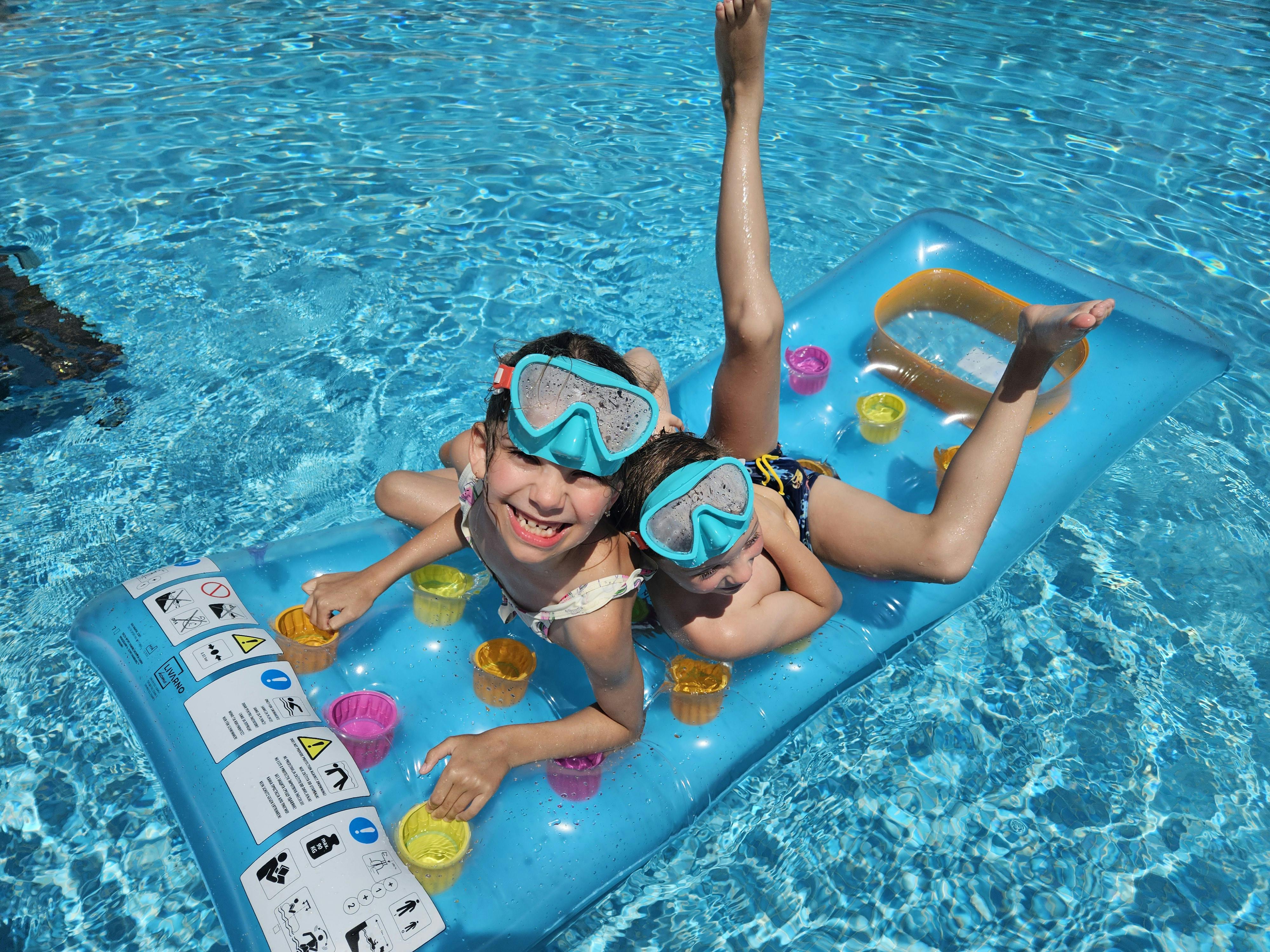
Chlorine, Chloramines, and Why Eyes Sting at the Pool
Many think chlorine causes eye burn. The real culprit is chloramines—compounds formed when chlorine reacts with sweat, skin oils, or contaminants. Chloramines disrupt the tear film, dry the ocular surface, and make eyes more vulnerable to bacteria or debris. Most cases resolve quickly, but any prolonged or severe pain, vision change, or photophobia deserves an immediate check at your local optometrist.
Lakes, Splash Pads, and Microbial Risks
Unlike chlorinated pools, lakes and splash pads often harbor higher levels of bacteria, amoeba, or other microorganisms. A notable risk: acanthamoeba keratitis, a rare but vision-threatening infection associated with fresh water. Sand, dirt, and landscaping chemicals can also scratch or irritate the eyes, especially if children rub their eyes with wet, unwashed hands.
Contact Lenses and Water: A Risky Combination
At iDoctor, we urge our Glendale Heights and Carol Stream contact lens patients to never wear their lenses while swimming or playing in water. Contact lenses can trap bacteria, swell, or dislodge, substantially increasing the chance of corneal infection. Even wearing goggles over lenses does not guarantee safety—water can seep in and microorganisms can become trapped. If you absolutely must wear contacts, use daily disposables, wear goggles, and discard lenses immediately after swimming—but prescription swim goggles are a safer long-term solution.
Local Benefits: Eye Safety Strategies for Glendale Heights, Bloomingdale, and Beyond
Local pools (such as those near Army Trail Road), splash pads, and neighborhood swim clubs in towns like Glen Ellyn or Lombard make summer memorable—but also require heightened awareness of eye health. The good news: a handful of specific best practices safeguard your eyes while enjoying any water environment.
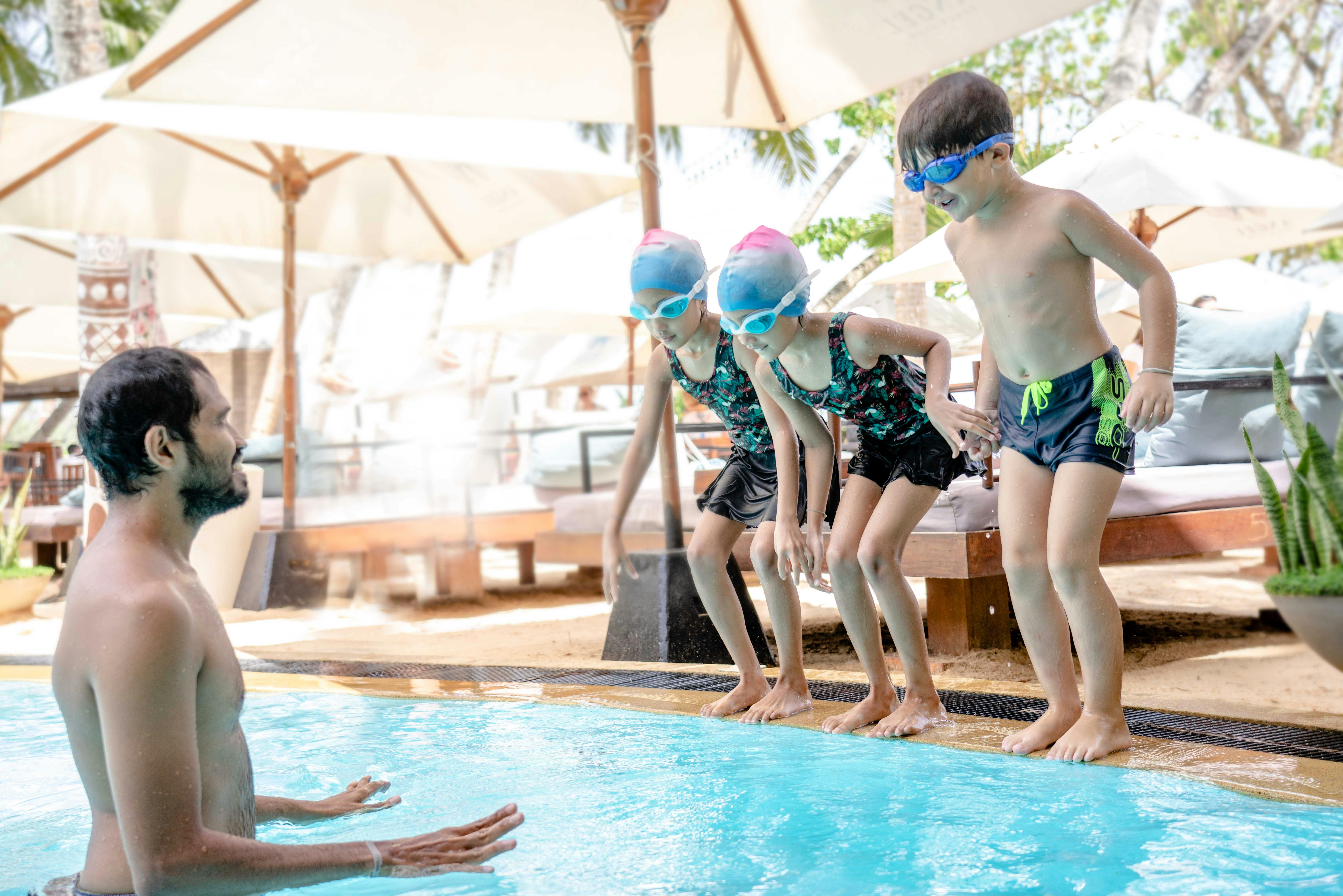
1. Always Use Well-Fitting Goggles in Pools and Lakes
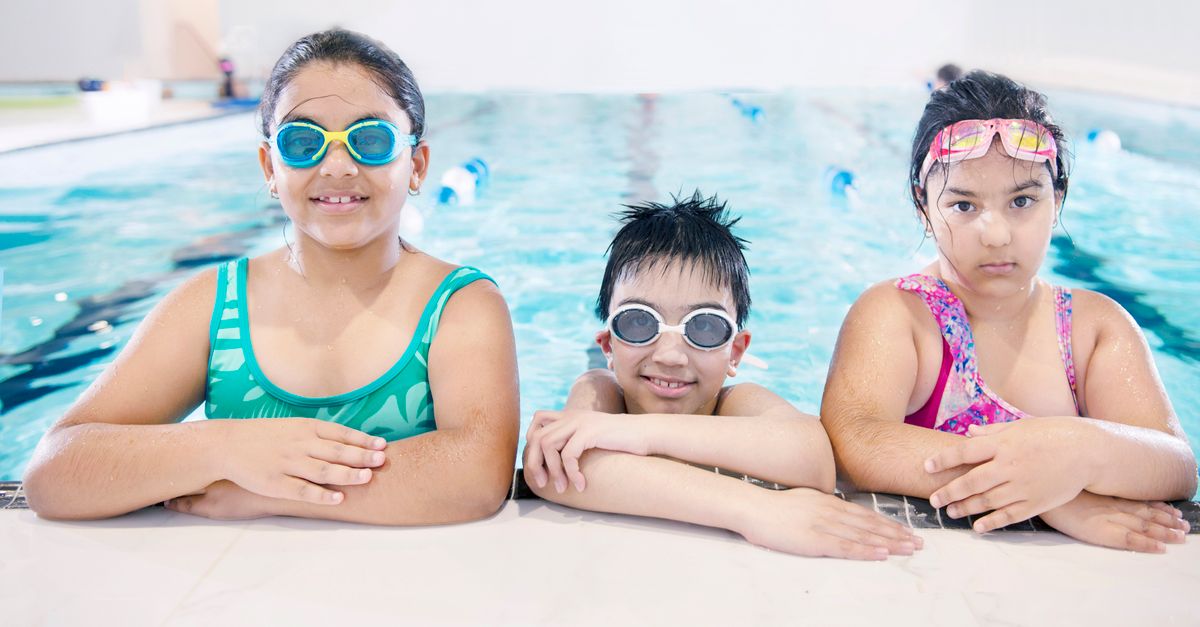
- Quality swim goggles are the most effective barrier against chlorine, bacteria, and debris.
- Choose goggles with a reliable seal, comfortable straps, and (for outdoor use) UV-protective lenses.
- Consider anti-fog options for comfort during lessons or extended play.
- For children or adults with vision correction needs, ask iDoctor about prescription goggles rather than risking contacts in the water.
2. No Contacts at the Pool, Lake, or Splash Pad
- Wearing contacts in water—public pool, lake, or even a splash pad—dramatically increases risk of severe infection.
- If prescription vision is needed for swimming, prescription goggles are the proven safe option.
3. Sunglasses and UV Protection: Essential for Summer
- Summer sun in Glendale Heights is intense, and UV rays reflect off water and concrete, boosting exposure.
- Only choose sunglasses that block 100% of UVA and UVB (labeled UV400). At iDoctor, our curated collection includes top designer options for adults and kids. Prescription and non-prescription lenses are available for every style.
- Hats with wide brims add extra shade and decrease glare at the pool or lakefront.
- For a comparison of what features matter most in sun lenses and coatings, see our blog: Why UV Protection Matters for Glendale Heights Families.
4. Rinse, Moisturize, and Rest Eyes After Swimming
- After leaving the water, flush closed eyelids and face with clean tap water to remove chemicals or dirt.
- Preservative-free artificial tears can quickly soothe dryness or mild irritation for both kids and adults.
- Discourage rubbing the eyes, which increases risk of scratching or infection. Instead, pat gently and encourage short breaks from water play.
5. Know When Symptoms Need Immediate Attention
- Fast, professional evaluation is needed if there is severe pain, light sensitivity, increased discharge, persistent blurred vision, or the feeling something is stuck in the eye after swimming.
- iDoctor provides same-day urgent medical eye exams for water- or pool-related problems.
The iDoctor Advantage: Advanced Technology & Real Local Care
Located near the Army Trail & Bloomingdale Road intersection, iDoctor provides unparalleled boutique optometry with access to state-of-the-art diagnostics. The clinic is minutes from Lombard and Addison, making it accessible to families throughout western DuPage County.
- Advanced imaging and digital refraction: iCare tonometer, ultra-widefield retinal scans, and digital phoropters help diagnose both acute irritation and long-term sun damage.
- Complete medical eye care: Our optometrist personally examines and explains every case—urgent red eyes, foreign body sensations, eye injuries, or suspected infections from pools or lakes included. You’ll always know the exact cause and safest treatment.
- Premium sunwear and swim eyewear: Designer sunglasses and sun lenses with full UV, polarized, blue-light, and anti-reflective options. The optical team can also help translate your prescription for custom swim goggles, maximizing both vision and safety.
Every detail is explained: from what affects children’s irritation risk, to how lens coatings work for splash-safe sunwear. iDoctor accepts all major vision insurances (VSP, Eyemed, Cigna Vision, Humana, Superior Vision, Davis Vision, NVA, Spectera, UnitedHealthcare Vision) and offers a competitive value package for uninsured patients.
FAQs: Pool, Lake, and Splash Pad Eye Safety in Glendale Heights
Is it safe for my child to open their eyes underwater at the pool?
Brief exposure may only cause mild irritation, but recurring redness, stinging, or discomfort means it’s time for goggles. For swimming lessons or regular pool days, well-fitted goggles prevent most eye problems.
What should I do if my child’s eyes are very red after a day in the water?
Rinse their closed eyes and face with fresh water, discourage rubbing, and use preservative-free artificial tears. If symptoms (pain, discharge, vision change, severe light sensitivity) persist beyond two hours, book an urgent checkup at iDoctor.
Can I swim with contacts if I wear goggles?
Even snug goggles let some water in and cannot prevent microbial exposure. If contacts are absolutely unavoidable, use daily disposables, wear goggles at all times, and discard lenses immediately after swimming. However, prescription goggles remain the safest option.
How long to get prescription sunwear or swim goggles at iDoctor?
Most custom glasses or sunglasses are ready in 7 to 14 days. Plan ahead if you need new eyewear for family vacations or swim season.
Does iDoctor accept my insurance? Are same-day appointments available?
Yes, iDoctor accepts VSP, Eyemed, Cigna, Superior Vision, Humana, Davis Vision, NVA, Spectera, and UnitedHealthcare Vision. Same-day and next-day appointment slots are often available, including for urgent red eyes or pool-related concerns.
How to Book a Summer Eye Exam in Glendale Heights
If you or your child notice red, painful, or blurry eyes after water activities in Glendale Heights or neighboring towns like Wheaton and Glen Ellyn, do not wait. Early intervention ensures a faster, safer recovery and guidance for safer fun next time.
- Call iDoctor at (630) 454-6899 or book online for your eye exam. Same-day appointments are available, especially for urgent summer symptoms.
- Bring your current eyewear, medication list, and vision insurance card to your visit.
- Receive a thorough medical exam with high-resolution digital tools. Get expert, local advice on preventing and managing summer eye risks.
- Ask about prescription swim goggles, kids’ sunwear, and advanced sunglass coatings tailored for summer play and driving.
Final CTA: Keep your family’s eyes healthy this summer in Glendale Heights. Call iDoctor at (630) 454-6899 or book your appointment online for personalized, expert guidance and boutique sunwear options.
For more insights on pool eye safety and the risks of contacts in water, explore our in-depth blog: Can you swim in contact lenses? An iDoctor Guide for Glendale Heights.