When you hear vision numbers like 20/15 and 20/20 tossed around, the core difference boils down to sharpness. Simply put, 20/15 vision is clinically sharper than the 20/20 standard. Someone with 20/15 acuity can see details from 20 feet away that a person with "normal" vision would need to move up to 15 feet to see clearly. Here in Glendale Heights, understanding what these numbers mean is the first step toward achieving your best possible vision.
What Do Vision Numbers Actually Mean?
If you’ve ever had an eye exam, you’re familiar with the term “20/20 vision.” It's the gold standard, right? Well, it's often mistaken for "perfect" eyesight, but what it really represents is the established baseline for normal visual clarity at a distance. Getting a handle on these numbers helps you understand what your prescription actually means for your day-to-day life.
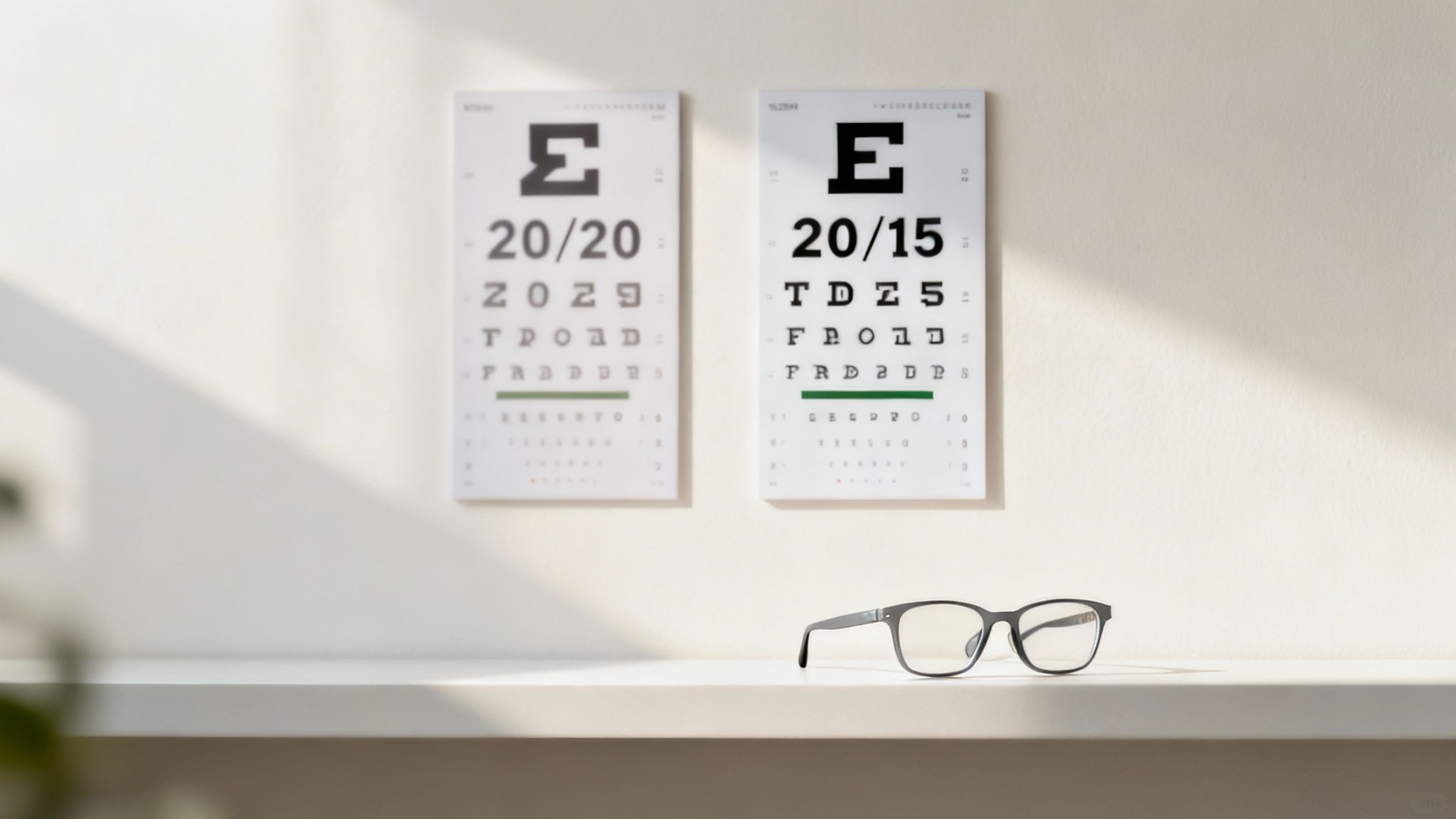
These measurements come from the classic Snellen eye chart. The first number is always 20, which stands for the testing distance—20 feet. The second number is the key: it represents the distance at which someone with normal, unimpaired vision could read the same line of letters you're looking at.
Comparing 20/20 vs. 20/15 Visual Acuity
To make it even clearer, let's break down the two benchmarks side-by-side. This table gives a quick, at-a-glance comparison of what sets them apart.
| Metric | 20/20 Vision (Standard) | 20/15 Vision (Above Average) |
|---|---|---|
| Definition | You can see clearly at 20 feet what a person with normal vision sees at 20 feet. | You can see clearly at 20 feet what a person with normal vision needs to be 15 feet away to see. |
| Clarity Level | Considered the standard for normal, clear vision. | Sharper and more detailed than the standard for normal vision. |
| Commonality | The goal for most vision correction with glasses or contacts. | Less common but achievable for many individuals with healthy eyes. |
While having sharper-than-average vision is fantastic, it's worth remembering that these numbers don't tell the whole story.
While 20/20 vision is a great benchmark, it only measures your sharpness of vision at a distance. It doesn't account for other crucial visual skills like peripheral awareness, eye coordination, depth perception, or color vision.
More Than Just a Number
It's so important to remember that visual acuity is just one piece of the puzzle. Certain conditions can impact your vision in ways a simple Snellen chart can't detect on its own.
For instance, an issue like astigmatism can cause blurriness at all distances, no matter what your acuity score is. If you want to dive deeper into that specific condition, read our guide on what astigmatism is.
Globally, only about 35% of adults naturally have 20/20 vision without any help. But with corrective solutions like glasses and contacts, that number skyrockets to around 75%. This is a powerful testament to just how effective professional eye care is. That’s why our detailed eye exams in Glendale Heights are absolutely essential for getting a complete picture of your overall eye health.
Is Sharper 20/15 Vision Actually Better?
The numbers are clear: 20/15 vision is technically sharper than 20/20. But does that extra bit of clarity actually matter in your day-to-day life? Honestly, it’s not a simple yes or no.
For most of us, having 20/20 vision is more than enough. It lets you drive safely down North Avenue, read a book comfortably, and recognize a friend from across the street. It's the gold standard for a reason.
But for certain people and professions, that extra edge isn't just a number—it's a real advantage. The ability to pick up on the tiniest details can be a game-changer for both performance and safety.
When 20/15 Vision Really Counts
Exceptional visual acuity isn't just a neat party trick. For some, it's a professional requirement. Think about these high-stakes scenarios where seeing just a little bit better makes all the difference:
- Professional Athletes: Imagine a Major League batter trying to track a 100-mph fastball or a professional golfer reading the subtle contours of a green. That extra sharpness can be the deciding factor between a home run and a strikeout.
- Pilots and Surgeons: A pilot needs to read a complex instrument panel with just a quick glance. A surgeon performing a delicate operation relies on seeing every minute detail to ensure precision. For them, peak vision is non-negotiable.
- Graphic Designers and Artists: When your job revolves around subtle color gradients, fine lines, and pixel-perfect details, the enhanced clarity of 20/15 vision allows for a level of precision that others might miss.
For people in these fields, seeing the world in the highest possible resolution isn’t just nice to have; it’s fundamental to what they do. This kind of elite vision often comes down to the unique anatomy of the eye.
Your eye's potential for sharpness is largely determined by the density of photoreceptor cells, called cones, in your retina. Think of it like a digital camera—a higher density of cones is like having more megapixels, allowing your eye to capture a clearer, more detailed picture.
Is 20/20 Vision "Good Enough"?
For the vast majority of us, the answer is a resounding yes. 20/20 vision is a fantastic and highly functional benchmark. It means you can handle almost every visual task you'll encounter in Glendale Heights with clarity and confidence.
While aiming for 20/15 is great if your eyes are capable of it, it's not a necessary standard for a high quality of life. The real goal is to ensure your vision is corrected to its sharpest, most comfortable potential, whatever that may be. For some, this might even lead to considering surgical options. You can explore the benefits of LASIK vision correction to see how procedures like this can permanently improve eyesight.
Ultimately, whether 20/15 vision is "better" for you comes down to your individual needs and lifestyle. During one of our detailed eye exams in Glendale Heights, we can uncover your unique visual potential and find the perfect solution to help you see your world with maximum clarity.
How We Measure Your Visual Acuity
When you come into iDoctor for an eye exam, our first job is to get a crystal-clear picture of how you see the world. For years, the gold standard for this has been the classic Snellen eye chart—everyone knows the one with the big "E" at the top. It’s a simple, effective tool that gives us a baseline score for your vision, whether that's 20/20, 20/15, or something else.
The process is straightforward: you stand 20 feet away and read the smallest line of letters you can make out. That result is our starting point.
The Snellen Chart and Beyond
But let's be honest, the Snellen chart only tells part of the story. Think of it as a quick snapshot. Here at our Glendale Heights boutique, we know that a truly comprehensive understanding of your eye health requires a much deeper dive.
That’s why our detailed eye exams in Glendale Heights go far beyond simply reading letters off a wall. We set aside a full 30 minutes for every patient, blending tried-and-true methods with advanced, high-resolution imaging. This lets us see not just how well you see, but why you see the way you do.
Identifying the Cause of Blurry Vision
If your vision isn’t as sharp as you’d like it to be, a refractive error is almost always the culprit. This just means the shape of your eye is preventing light from focusing perfectly on your retina. The main types are:
- Myopia (Nearsightedness): Makes distant objects look fuzzy.
- Hyperopia (Farsightedness): Causes things up close to appear blurry.
- Astigmatism: A slight irregularity in the curve of your cornea or lens, which can blur your vision at any distance.
These conditions are incredibly common. Worldwide, at least 2.2 billion people have some form of vision impairment, and a huge number of those cases are simple, uncorrected refractive errors. Here in the U.S., about 65% to 70% of adults need some help—like glasses or contacts—to reach 20/20 vision.
A visual acuity score is a vital number, but it doesn't reveal the whole health of your eye. Our advanced diagnostic tools let us screen for underlying conditions that a standard letter chart would never catch, making sure your eyes are healthy from the inside out.
By using technology like a digital phoropter, we can pinpoint the exact nature of your refractive error with incredible precision. It’s a key piece of what makes modern vision testing so accurate, and you can learn more in our article comparing digital phoropters vs manual refraction. This meticulous approach ensures that whether you need eyeglasses or contact lenses, your final prescription will give you the sharpest, most comfortable vision possible for your life in Glendale Heights.
Your Vision Score in Real-World Scenarios
Those numbers on an eye chart can feel a bit abstract. So let's bring the whole 20/15 vision vs 20/20 conversation down to earth and see how these scores actually play out in your day-to-day life right here in Glendale Heights. While visual acuity is just one piece of the vision puzzle, it's a big one when it comes to seeing the world with clarity and detail.
Think about a common local drive—you're heading west on Bloomingdale Road, coming up on the intersection at Main Street. How soon can you clearly read that green street sign? Your visual acuity score makes all the difference in this everyday situation.
A Local Perspective on Vision Scores
Let's imagine three different people looking at that same street sign from about a block away. Here’s what they’d likely see:
- With 20/40 Vision: At this distance, the "Main Street" sign is probably just a green rectangle. You can tell it's a street sign by its shape and color, but the actual letters are a complete blur until you get much, much closer.
- With 20/20 Vision: The sign is perfectly legible. You can easily read "Main Street," giving you plenty of time to get into the correct lane and prepare for your turn. This is what we consider the standard for safe and confident driving.
- With 20/15 Vision: You don't just see the words "Main Street"—they're exceptionally sharp. You might even be able to pick out smaller text on the sign, like a secondary street name, that someone with standard 20/20 vision wouldn't be able to make out yet.
As you can see, sharper acuity gives you more visual information, and you get it sooner. But seeing well is about more than just reading letters from a distance.
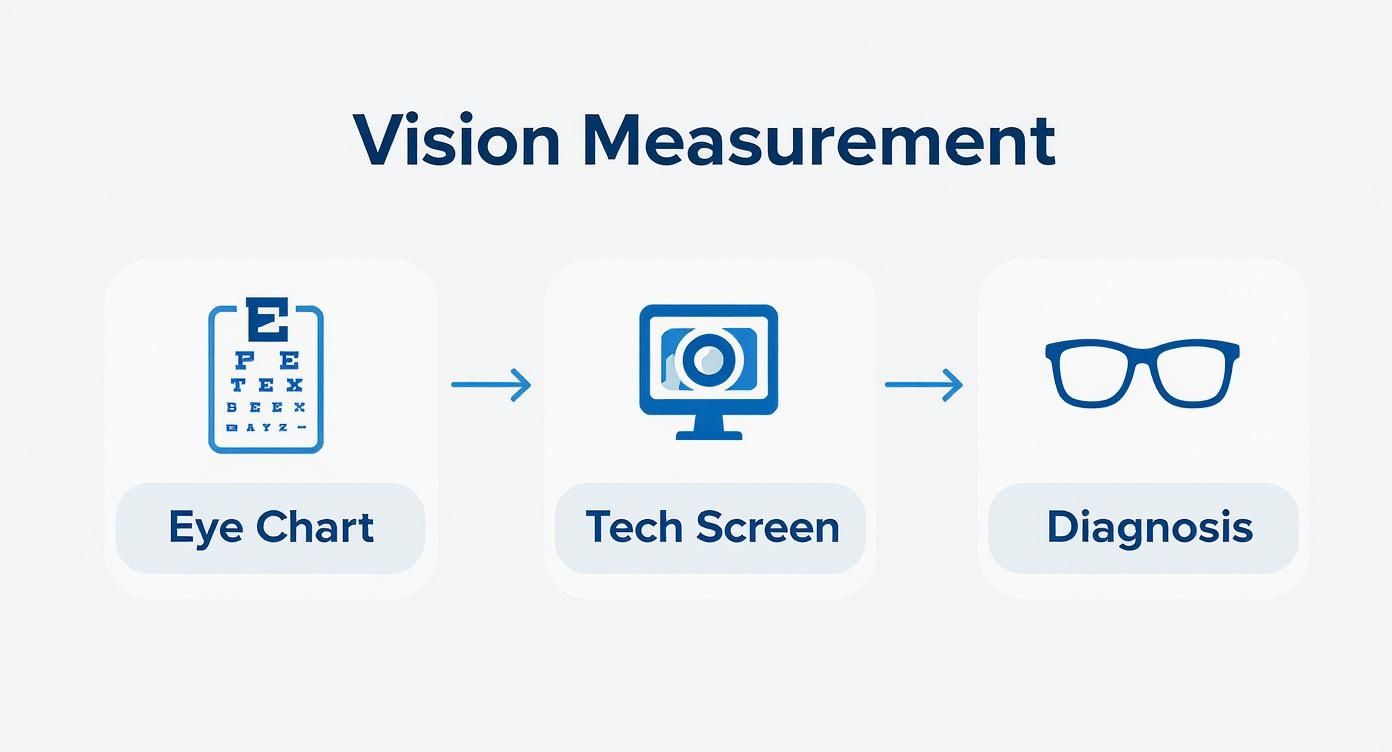
The path to clear vision starts with an accurate measurement but is completed with a solution that considers your entire visual system, not just a single number from a chart.
It's More Than Just the Acuity Score
Truly functional vision relies on a whole team of interconnected skills working together.
Take contrast sensitivity, for example. This is your ability to see objects that don’t stand out sharply from their background. It’s absolutely critical for driving at dusk or finding your car in a dimly lit parking lot at Stratford Square Mall. If you’ve been struggling in these low-light situations, our guide to the best lenses for night driving is a great resource.
Then there’s depth perception, which is what allows you to judge distances correctly. Whether you're playing catch at O'Brien Park or just walking down a set of stairs, your ability to perceive depth is what keeps you coordinated and safe.
While a 20/40 score is often the legal minimum for a driver's license, optimal visual performance for safety involves much more than just acuity. Factors like peripheral vision, contrast sensitivity, and reaction time are just as vital, underscoring the need for a comprehensive eye exam that evaluates your entire visual system.
How to Achieve Your Clearest Possible Vision
Whether you're aiming to keep your 20/20 vision sharp or you're hoping to reach that next level of clarity at 20/15, the journey always starts with a deep, professional understanding of your eyes. While a lucky few are born with exceptional sight, most of us need a little help to see the world in its sharpest detail. The great news is that modern eye care has a whole toolbox of solutions to get you there.
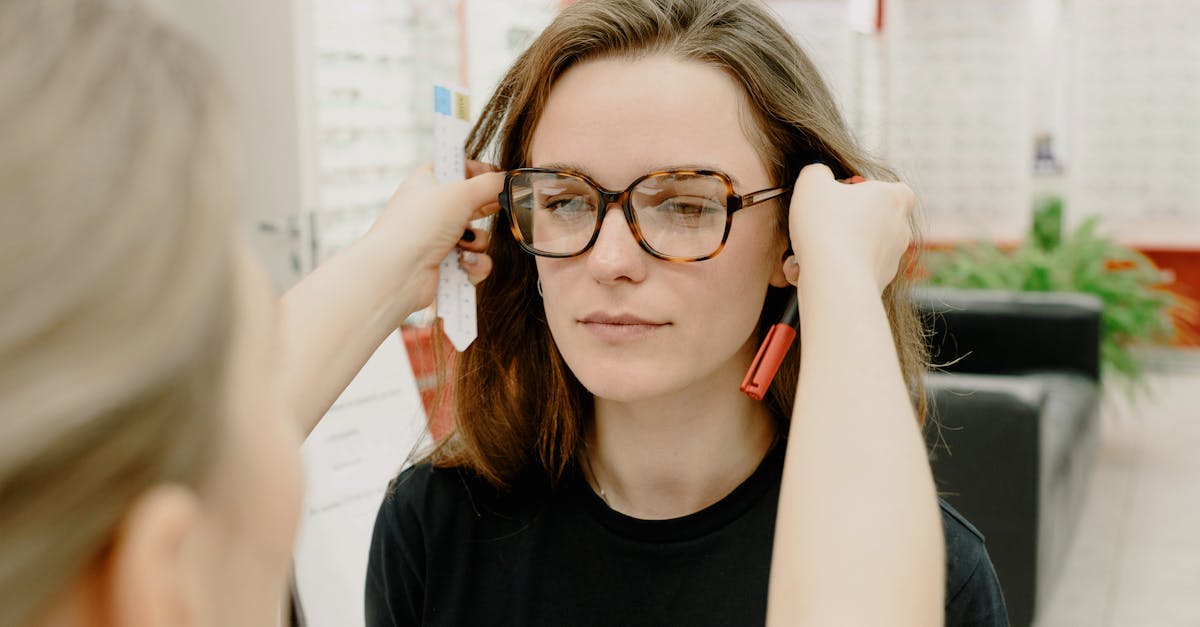
At iDoctor, our main focus is helping you reach your own personal best vision. For most people, that means getting a highly accurate prescription for glasses or contact lenses. These are still the most reliable and effective ways to correct common refractive errors like nearsightedness and astigmatism, and they frequently get patients to 20/20 or even better.
Finding the Perfect Fit for Your Eyes and Style
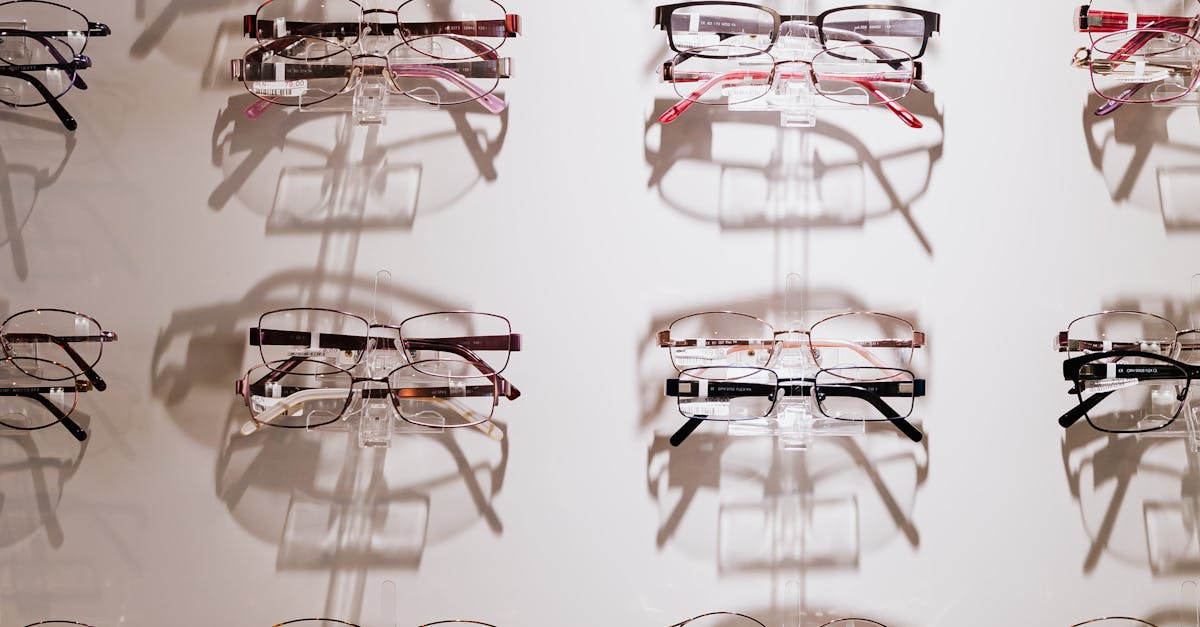
Let's be honest—your eyewear is more than just a medical tool. It’s an accessory you wear every day, and it should reflect your personality. Our Glendale Heights boutique features a hand-picked collection of frames for every lifestyle, from the timeless sophistication of Cartier and Gucci to the classic cool of Ray-Ban and Kate Spade. When you're looking for the right designer eyeglasses in Glendale Heights, you shouldn't have to sacrifice style for sight.
If you'd rather go without frames, we also specialize in expert fittings for contact lenses in Glendale Heights. Modern contacts have come a long way, with incredible options for astigmatism and presbyopia, offering a comfortable and liberating way to see clearly.
It's also interesting to note that the classic 20/20 benchmark might not be the whole story. Research into binocular vision—how our eyes work together—has shown that many healthy adults can actually resolve detail at a 20/16 or even 20/12.5 level. This means they can make out details from 20 feet away that someone with "average" vision would have to be much closer to see. You can read more about these visual acuity findings to dig into the incredible potential of human eyesight.
Exploring Long-Term Vision Solutions
For those looking for a more permanent fix than glasses or contacts, refractive surgery is a powerful option. Procedures like LASIK work by reshaping the cornea to fix the eye's focusing problems, and a high percentage of patients achieve 20/20 or even 20/15 vision afterward. It's not the right path for everyone, but for many, it offers true visual freedom.
Your clearest possible vision is a unique target, defined by the specific anatomy of your eyes and your lifestyle needs. Our role is not just to correct your vision to a standard number, but to unlock its full potential.
In the end, whether it's through a pair of beautifully crafted glasses, advanced contacts, or a surgical procedure, getting to your clearest vision is a personal journey. The first and most critical step is always a detailed eye exam in Glendale Heights to map out your eye health and figure out which path is best for you.
Why Your Annual Eye Exam Is Non-Negotiable
All this talk about 20/15 vision vs 20/20 really brings home a crucial point: that number is just a tiny part of the bigger picture of your eye health. Whether your vision is considered average, exceptionally sharp, or needs a little help, the most important thing you can do is commit to regular eye exams. These appointments are the bedrock of lifelong sight protection.
A comprehensive exam at iDoctor in Glendale Heights goes far beyond simply reading an eye chart. Our detailed eye exams involve advanced imaging that lets us spot silent, sneaky conditions like glaucoma or macular degeneration—often long before you'd ever notice a change in your vision. It's also surprising for many to learn that their eyes can show the earliest signs of other health problems, like diabetes and high blood pressure.
Your vision score is what you see today. A comprehensive eye exam protects how you will see tomorrow. It is the best investment you can make in safeguarding your long-term eye health.
Taking care of your vision is a proactive, ongoing process. As we look ahead, new technologies like AI Voice Agents in Ophthalmology are emerging to help us provide even better patient care. You can learn more about the importance of routine eye exams and see for yourself why they are so valuable. We welcome all our neighbors from Glendale Heights, Carol Stream, and the surrounding areas to come see us.
Frequently Asked Questions about Vision Care in Glendale Heights
Is it possible to get 20/15 vision with glasses?
For many people, absolutely. If your eyes are healthy and their internal optics are capable of resolving that fine level of detail, then a meticulously crafted prescription for glasses or contacts can certainly get you to 20/15 vision. The only way to know your eyes' full potential is through a comprehensive evaluation. Our detailed eye exams in Glendale Heights use advanced technology to determine the sharpest, healthiest vision you can achieve.
Where can I find Gucci glasses near me?
You can find an expertly curated collection of luxury eyewear, including Gucci, right here at iDoctor in Glendale Heights. We also carry other designer brands like Cartier, Tom Ford, and Prada, alongside accessible favorites like Ray-Ban and Coach. Our team can help you find the perfect pair that matches your style and fits your prescription perfectly.
Do you accept VSP insurance for eye exams?
Yes, we do. At iDoctor, we believe premium eye care should be accessible. We accept all major vision insurance plans, including VSP, EyeMed, and UnitedHealthcare Vision. You can use your benefits for everything from your comprehensive eye exam to purchasing new designer eyeglasses in Glendale Heights. Our staff is happy to help you understand and maximize your coverage.
Ready to see your world in the sharpest focus possible? At iDoctor, we bring together sophisticated eye care technology and a hand-picked selection of beautiful eyewear. Schedule your comprehensive eye exam with the best optometrist in Glendale Heights and let's see what's possible. From routine check-ups to finding the perfect Cartier frames, we are proud to serve our neighbors throughout the Glendale Heights community.