For anyone with dry eyes, the best contacts are usually daily disposables crafted from advanced silicone hydrogel materials. Lenses like Dailies Total1 and Acuvue Oasys 1-Day are fantastic because they let plenty of oxygen reach the eye and have moisture technology built right in, which is why they're often a top recommendation for all-day comfort.
Your Guide to Comfortable Vision with Contacts for Dry Eyes
If you live in Glendale Heights and struggle with that gritty, dry, or irritated feeling in your eyes, wearing contact lenses can feel like a non-starter. Many people think they're stuck choosing between clear vision and comfort, which usually means settling for eyeglasses full-time.
But here's the good news: as the best optometrist in Glendale Heights, we can tell you that modern contact lens technology has come a long way, with some incredible options designed specifically for people with dry eye.
You’re definitely not alone in this. Dry eye is a widespread condition affecting millions. In fact, studies estimate that between 5% and 15% of the adult population in the United States deals with dry eye symptoms. That's a huge number of people—somewhere between 16.7 million and 50.2 million Americans.
Finding Relief in Glendale Heights
Living in the Chicagoland area throws its own unique challenges at your eyes. We go from dry, heated indoor air all winter to blasting the AC in the summer, and both can make dry eye symptoms even worse. This can turn contact lens wear from a convenience into a constant battle.
Whether you're commuting down North Avenue or spending your day indoors near Glendale Lakes Business Park, your environment plays a massive role in how your eyes feel.
This guide is here to walk you through everything you need to know about finding the best contacts for your dry eyes. We'll cover:
- Why some older, traditional lenses can actually aggravate dryness.
- The advanced materials that help your eyes stay hydrated all day long.
- A look at the top lens brands that eye doctors frequently recommend.
- Why a professional fitting is the most critical step in the entire process.
The goal here isn't just a temporary fix. It's about finding a sustainable solution that gives you both comfortable and clear vision by matching the right lens technology to your unique eyes and lifestyle.
Sometimes, achieving that perfect comfort means using a little extra help. Products like the highly-rated Systane Hydration Lubricant Eye Drops can be a game-changer when paired with the right lenses.
Here at iDoctor, we specialize in personalized eye care. Our experienced optometrists in Glendale Heights are dedicated to helping you sort through the options and find a lens that feels just as good at the end of the day as it does the moment you put it in. You don't have to give up on the freedom of contact lenses just because you have dry eye.
Why Traditional Contacts Can Make Dry Eyes Worse
To figure out which contacts are best for dry eyes, we first need to understand why so many common lenses make the problem worse in the first place. It’s easy to think all contacts are basically the same, but the reality is that a lens's material and design can make a world of difference in comfort, especially if your eyes are already on the dry side.
Imagine an older, traditional soft contact lens as a tiny sponge sitting on your eye. To stay soft and pliable, it has to stay wet. And where does it pull that moisture from? You guessed it—your natural tear film.
This kicks off a frustrating cycle. The lens siphons moisture from your eye to stay hydrated, which in turn dries out the surface of your eye. As your eye gets more irritated, the lens itself begins to dry out, leading to that gritty, can't-wait-to-take-them-out feeling many people know all too well.
The Water Content Paradox
Here’s something that trips a lot of people up: lenses with a high water content are often the worst offenders for dry eye. It seems backward, right? But a lens that’s made of 55% water or more works overtime to maintain that level of hydration all day long.
This problem gets even worse depending on our surroundings. Think about spending time in a dry, heated home during a cold Glendale Heights winter, or sitting in an air-conditioned office all day. In these low-humidity environments, a high-water-content lens pulls moisture from your tear film even more aggressively, making discomfort happen that much faster. This isn't just about irritation, either; persistent dryness can impact your sight. You can learn more about how dry eye can affect your vision in our detailed article on the topic.
The "Water Content Paradox" is a crucial concept to grasp. A contact lens with more water doesn't automatically mean more hydration for your eye. In many cases, it acts more like a moisture thief, stealing your natural tears and leaving your eyes feeling drier.
Friction and Oxygen: The Other Pieces of the Puzzle
Beyond just moisture, two other factors play a huge role in contact lens discomfort, particularly for anyone dealing with dry eyes.
- Coefficient of Friction: This is just a technical way of describing how "slippery" the surface of the lens is. A lens with high friction drags against the sensitive inner lining of your eyelid with every single blink. When you're blinking thousands of times a day, that constant rubbing can cause serious irritation and inflammation. Thankfully, modern lenses are engineered with incredibly smooth surfaces to keep this friction to a minimum.
- Oxygen Permeability (Dk/t): Your cornea—the clear front dome of your eye—needs oxygen to stay healthy. It gets it directly from the air. Older lens materials, called hydrogels, were a bit like plastic wrap, not letting much oxygen through. This lack of oxygen can stress the eye and amplify the symptoms of dryness. Newer silicone hydrogel materials were a game-changer, designed specifically to let far more oxygen reach the cornea, even while you're wearing the lens.
When you have a lens that steals your tears, creates friction with every blink, and suffocates your cornea, you’ve got the perfect storm for discomfort. This is precisely why a one-size-fits-all approach doesn't work for dry eyes. The real solution is found in newer materials and thoughtful designs that cooperate with your eye's natural environment, not fight against it.
Exploring Modern Contact Lens Technology for Dry Eyes
Thankfully, the days of contact lenses feeling like tiny, irritating sponges on your eyes are largely behind us. Manufacturers have made huge strides in developing lenses that work with your eye's natural moisture, not against it. The real magic is in the materials and the smart moisture technologies built right into the lens.
The biggest shift came with the move from hydrogel to silicone hydrogel materials. Older hydrogel lenses were all about water content; they needed to be full of water to let oxygen through to your eye. The problem? On a dry eye, they’d start pulling moisture from your tear film to stay hydrated, making the dryness even worse.
Silicone hydrogel completely changed the game. It’s a much more breathable material, allowing plenty of oxygen to pass through without relying on water. This was a massive leap forward for eye health and comfort.
Silicone Hydrogel: The Breathable Choice
Because silicone hydrogel lenses don't need a high water content to be breathable, they can be made with less water. This simple change fundamentally alters how they interact with your eye. Instead of stealing your tears, they let your tear film do its job, keeping your eyes naturally moisturized.
This high oxygen flow is a huge win for anyone with dry eyes. It reduces stress on the cornea, which helps keep your eyes healthier and more comfortable in the long run.
This diagram breaks down the two main things that make contacts uncomfortable: water loss (the "sponge effect") and friction. As you can see, the right technology tackles both.
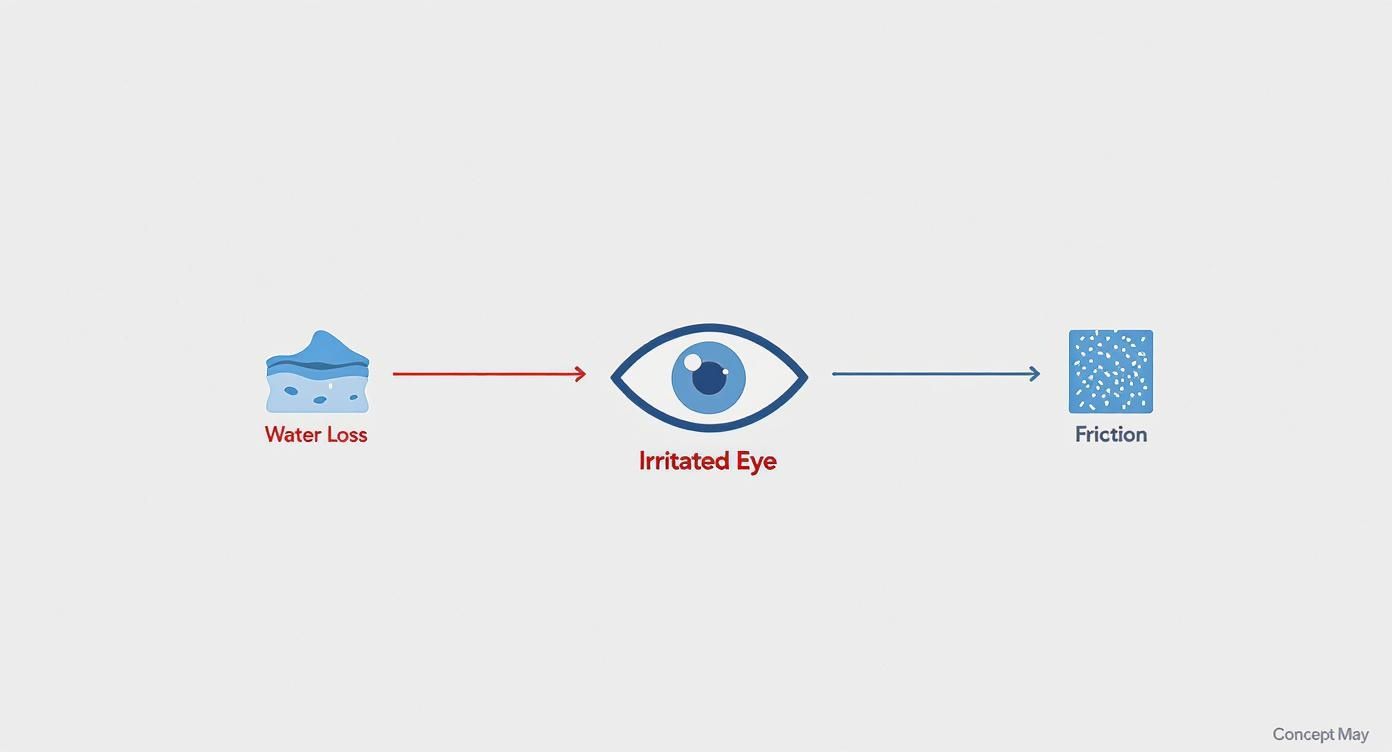
It’s clear that both the sponge effect and surface irritation can ruin the experience, which is why choosing the right lens material is so critical.
Built-In Moisture Agents for All-Day Hydration
On top of the base material, the best brands have created their own unique ways to embed moisture-releasing agents directly into the lens. You can think of them as tiny moisture reservoirs that release hydration every time you blink, keeping the lens surface silky-smooth all day long.
This consistent hydration is a lifesaver when you’re dealing with dry office air or long hours in front of a computer—common struggles for many of us here in Glendale Heights.
Here are a few examples of these technologies in action:
- Water Gradient Technology: Lenses like Dailies Total1 use this clever design. They have a highly breathable silicone core that transitions to an outer surface made of nearly 100% water. It’s like a soft cushion of moisture between the lens and your eye.
- Embedded Wetting Agents: Brands like Acuvue Oasys weave moisture-rich molecules throughout the entire lens material, not just on the surface. This helps the lens hold onto water and minimizes friction with every blink.
The following table breaks down some of the most common materials and technologies you'll encounter when looking for dry-eye-friendly contacts.
Comparing Materials and Technologies for Dry Eye Relief
A breakdown of key contact lens materials and embedded moisture technologies to help you understand which features offer the most benefit.
| Technology or Material | How It Helps Dry Eyes | Common Brands |
|---|---|---|
| Silicone Hydrogel | Allows high levels of oxygen to reach the eye without needing high water content, preventing the lens from drying out your tear film. | Acuvue Oasys, Biofinity, Air Optix |
| Water Gradient | Creates a moisture cushion on the lens surface that is nearly 100% water, minimizing friction and providing exceptional initial comfort. | Dailies Total1, Precision1 |
| Embedded Wetting Agents | Infuses moisture molecules throughout the lens matrix, providing sustained hydration that doesn't wear off during the day. | Acuvue Oasys with HydraLuxe |
Understanding these features can help you and your eye doctor pinpoint the exact lens that will feel best from morning to night.
These aren't just simple coatings that wear off. Modern moisture technologies are engineered into the lens itself for relief that lasts all day. To learn even more, check out our article on how cutting-edge contact lens technology is improving comfort.
Daily Disposables: The Gold Standard for Dry Eyes
When patients ask for the absolute best contacts for dry eyes, I almost always point them toward daily disposables. It’s hard to beat the feeling of a fresh, sterile, and perfectly moist lens every single morning.
With dailies, there's no cleaning, no cases, and no hassle. More importantly for dry eye sufferers, you avoid the buildup of deposits like proteins and lipids that naturally accumulate on monthly or bi-weekly lenses. These deposits can increase friction and irritation over time.
You also get to sidestep any potential irritation from preservatives in cleaning solutions. For anyone with sensitive eyes, the benefits are undeniable. They simply offer the cleanest, most comfortable experience you can get.
Our Go-To Contact Lens Brands for Dry Eyes
When you're dealing with dry eyes, picking the right contact lens can feel like a game of chance. But it doesn't have to be. Over the years, we've found that a few key brands consistently deliver comfort for our patients, thanks to some really smart designs and moisture-locking technologies.
Think of this as a starting point. Knowing what makes these lenses special will help you and your eye doctor pinpoint the perfect fit for your eyes. These are the brands we often reach for first when a patient tells us they're struggling with dryness.
Dailies Total1
Alcon’s Dailies Total1 is a crowd-pleaser for a very good reason. It’s a daily disposable lens built on a groundbreaking idea called Water Gradient Technology.
At its heart, the lens is made of a silicone hydrogel material that lets a ton of oxygen pass through to your eye, which is crucial for health. But the real magic is on the outside. The surface of the lens transitions into a soft cushion of moisture that's nearly 100% water.
This creates an incredibly slick, smooth surface that barely causes any friction when you blink. For many people, it’s the closest they’ve come to feeling like they’re not wearing a lens at all—the holy grail for anyone with sensitive, dry eyes.
Acuvue Oasys 1-Day with HydraLuxe
Another powerhouse in the daily lens world is the Acuvue Oasys 1-Day. This lens takes a slightly different approach. Instead of just focusing on the surface, it weaves its moisture technology all the way through the lens material itself.
Acuvue calls it HydraLuxe Technology. Imagine a web of tear-like molecules integrated directly into the lens. This design helps the contact lens mimic and support your natural tear film, providing steady, reliable hydration all day long.
We find these are especially great for people glued to screens. We tend to blink less when we're focused on a computer or phone, and these lenses do a fantastic job of fighting that end-of-day dryness.
The Big Idea: The best daily lenses for dry eye attack the problem in one of two ways. They either create an ultra-wet surface like Dailies Total1, or they embed moisture throughout the entire lens like Acuvue Oasys 1-Day. Both paths lead to fantastic comfort.
Great Extended Wear Options for Dry Eyes
Daily disposables are often our top recommendation, but they’re not your only choice. If you prefer a two-week or monthly lens, there are some excellent options that also perform wonderfully for people with mild to moderate dry eye.
Finding the right one really comes down to your lifestyle, budget, and what your eyes need. To dig deeper, you can check out our guide to the most comfortable contact lenses available across different wear schedules.
-
Acuvue Oasys with Hydraclear Plus (Bi-Weekly): This is the two-week sibling in the trusted Acuvue Oasys family and has been a go-to for reliable comfort for years. Its Hydraclear Plus Technology embeds a wetting agent directly into the lens, helping it stay smooth and moist to combat that tired-eye feeling.
-
Bausch + Lomb ULTRA (Monthly): For those on a monthly schedule, Bausch + Lomb ULTRA is a fantastic choice. The secret is its MoistureSeal Technology, which helps the lens hold onto 95% of its moisture for a full 16 hours. This is a huge benefit for anyone in Glendale Heights with long days that take them from dry offices to windy outdoors.
At the end of the day, the "best" lens is the one that's fitted specifically for you. What works wonders for one person might not be right for another, which is why a professional, personalized fitting is absolutely essential.
The Critical Role of a Professional Contact Lens Fitting
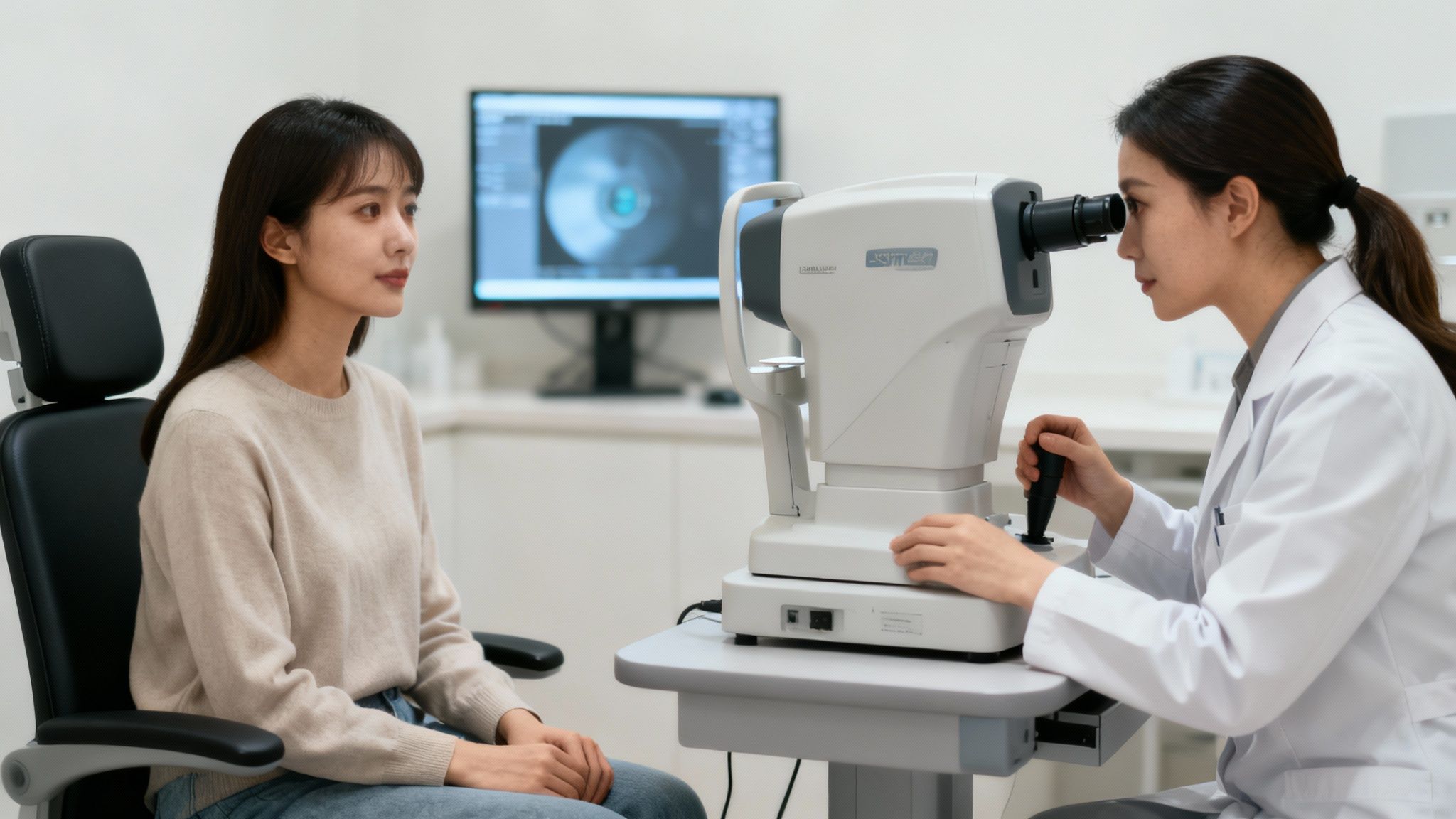
Knowing the names of the top contact lens brands is only half the battle. You could pick up the most advanced, moisture-rich lens on the market, but if it doesn't fit your eye properly, you’ll still end up with irritation. That’s why a professional contact lens fitting in Glendale Heights is non-negotiable, especially if you struggle with dry eyes.
Think of it like buying a high-end suit. You wouldn't just grab your size off the rack and hope for the best; you’d have it tailored. The same logic applies to your eyes. Every cornea has a unique shape and curvature, and a contact lens must sit perfectly on that surface to feel comfortable and see clearly.
An off-the-shelf approach simply won't cut it. A lens that’s too tight can choke off the oxygen and tear flow to your cornea. On the other hand, a lens that’s too loose will slide around with every blink, causing constant friction and blurry vision.
What Happens During a Specialized Fitting
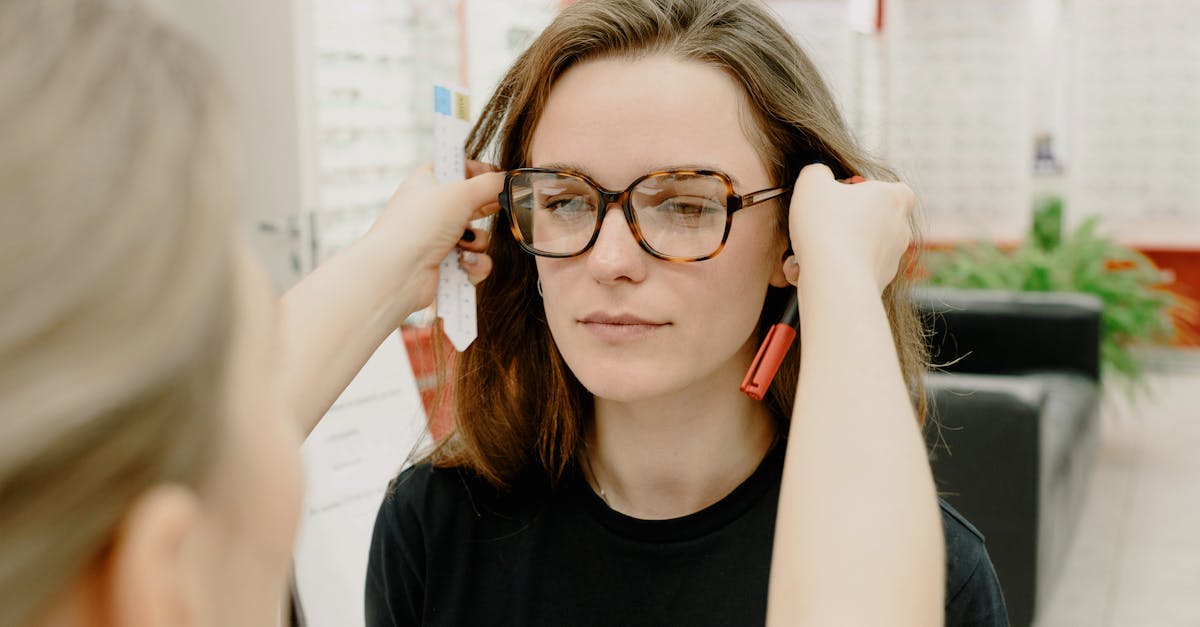
A fitting at iDoctor goes far beyond just checking your prescription. We dig deeper to understand the why behind your dry eye symptoms. Our detailed eye exams in Glendale Heights are comprehensive, lasting around 30 minutes so we can get a complete picture of your eye health.
During your appointment, we’ll run through several key evaluations:
- Corneal Curvature Measurement: Using a tool called a keratometer, we map the exact shape of your cornea. This data tells us the precise base curve and diameter needed for a stable, comfortable lens.
- Tear Film Assessment: We take a close look at the quality and quantity of your tears. This helps us determine if your dryness stems from a lack of tear production or from tears that evaporate too quickly, which points us toward the best lens material for your situation.
- Trial Lens Evaluation: We won't just send you home with a box of lenses. We’ll have you try on a diagnostic pair right here in the office. Then, using a biomicroscope (or slit lamp), we can observe in real-time how the lens moves, centers, and interacts with your eye.
This personalized approach is the secret to comfortable, all-day wear. You can get an even closer look at our process in our guide to a professional contact lens fitting.
Your Lifestyle and Eye Health Matter
Your daily habits and even your age play a huge role in both causing dry eye and affecting how well you tolerate contacts. Research consistently shows that things like prolonged screen time, age, and spending time in low-humidity environments can increase discomfort. In fact, between 10% and 20% of people over 40 report significant dry eye symptoms, making the right lens choice absolutely crucial.
A professional fitting isn't just an upsell; it's a fundamental part of responsible eye care. It’s the step that turns a good contact lens into the perfect contact lens for you, preventing future problems and ensuring your eyes stay healthy and comfortable.
Ultimately, choosing the best contacts for dry eyes is a journey that starts and ends with an expert. By investing in a proper fitting, you're making sure the advanced technology in today's lenses can actually do its job—giving you the clear, comfortable vision you deserve.
Your Partner in Beating Dry Eye in Glendale Heights
Finding the right contacts when you have dry eyes can feel like a solo mission, but it doesn't have to be. Here at iDoctor, we're dedicated to helping our neighbors—from Glendale Heights and Carol Stream to Bloomingdale—see clearly and comfortably every single day. We get the local challenges, whether it’s the dry winter air or a long day enjoying Glendale Heights Fest.
Our philosophy is simple: real relief comes from finding the root cause of your discomfort, not just masking the symptoms. It’s about expert care with a personal touch.
A Strategy Designed Just for You
A great contact lens experience is about more than just the lens itself. We pull together advanced diagnostic tools with a real understanding of your lifestyle to build a complete care plan.
That plan might mean recommending a specific type of lens, tweaking your lens care routine, or even suggesting some of our in-office solutions. You can learn more about our approach to modern dry eye treatment in Glendale Heights.
Your comfort is what matters most. We’ll take the time to actually listen to your concerns, check out what’s going on with your eyes, and find a solution that fits your life.
And for those days when you want to give your eyes a break from contacts? We have a stunning, hand-picked collection of designer eyeglasses in Glendale Heights. You can browse timeless styles from top brands like Cartier, Gucci, and Tom Ford, making sure your vision is always crisp and your style is on point.
Ready to find out how comfortable contact lenses can actually be? Schedule your consultation at our Glendale Heights boutique today. Let us show you how the right lenses and a bit of expert guidance can make all the difference.
FAQ: Glendale Heights Dry Eye & Contact Lenses
Where can I find an eye doctor in Glendale Heights for a contact lens fitting?
You've come to the right place! iDoctor is a boutique optometry practice located right here in Glendale Heights. We specialize in comprehensive eye care, including hard-to-fit contact lenses for dry eye. Our team is ready to help you find comfortable vision.
What brands of designer eyeglasses do you carry at your Glendale Heights location?
For days when you want a break from contacts, we offer a curated collection of luxury eyewear. Our boutique features frames from iconic designers like Cartier, Gucci, Tom Ford, Oliver Peoples, and Prada. We also have stylish and affordable options from brands like Ray-Ban and Kate Spade.
Does your office accept vision insurance?
Yes, we do. At iDoctor in Glendale Heights, we believe high-end eye care should be accessible. We accept all major vision insurance plans to help cover your exams, contact lenses, and eyeglasses. Our team can help you understand and maximize your benefits.
At iDoctor, we don't just guess. We use advanced diagnostic tools and a truly personal approach to find the right contacts for you. It's time to rediscover how comfortable contact lenses can be. Book your appointment today and let's get started.