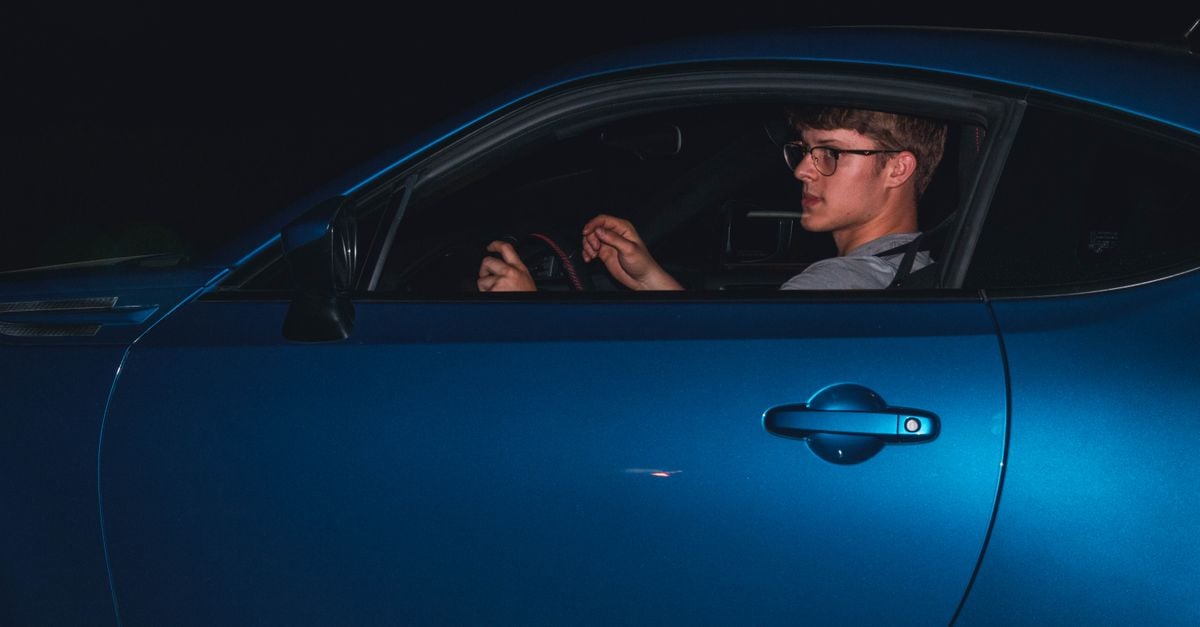
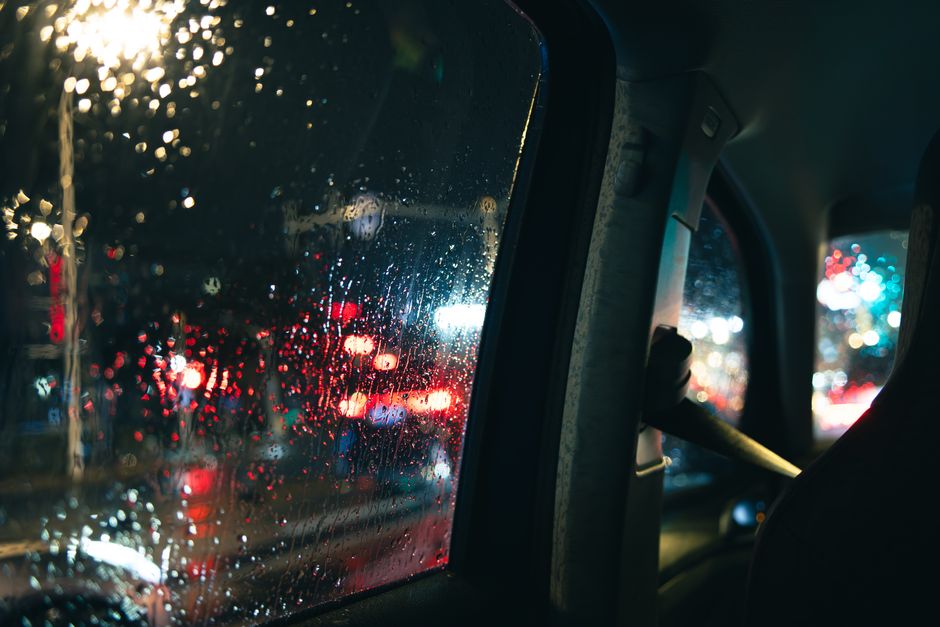
Difficulty seeing clearly when driving at night—trouble with headlight glare, halos, or missing turn-offs until the last second—is a common complaint in Glendale Heights. Fast-changing traffic on Army Trail Road or the glare from oncoming cars can leave drivers feeling unsafe or hesitant to drive after dark. For many, the key to safer night vision isn’t just a new gadget or tinted over-the-counter glasses, but the right lenses, correct prescription, and expert care from a boutique optical in Glendale Heights with advanced diagnostics and real answers.
A customized approach at iDoctor addresses not only the symptoms, but the true causes of nighttime vision problems, whether you drive regularly from Glendale Heights to Bloomingdale or find yourself squinting on dusk commutes through Carol Stream and Addison. Below, discover what actually helps for night driving glasses, what’s mostly marketing hype, and how to tell if you need a new prescription.
What Are Night Driving Glasses and How Do They Work?
“Night driving glasses” is a broad term used for any eyewear that claims to reduce nighttime glare or enhance visual clarity after dark. However, not all options on the market are equally effective—or safe—for real drivers in suburban Illinois. The best results consistently come from prescription eyewear tailored to your individual needs, not generic, tinted retail glasses.
Definition and Types of Night Driving Glasses
- Yellow-tinted “night vision” glasses: Often sold online, these claim to filter blue light and boost contrast. Research shows they don’t improve driver performance at night and can slightly reduce critical visibility by filtering out too much light.
- Clear prescription lenses with anti-reflective coatings (AR): These reduce reflections and glare, allowing nearly all available light to reach your eye for better clarity. AR coatings also reduce distracting “ghost” images and halos from headlights or streetlights.
- Blue-light filtering coatings: Helpful for those especially sensitive to the harsh glare of modern LED lights, but best used in conjunction with a precise prescription and AR coating.
- Polarized lenses: Excellent for daytime due to their glare-blocking effect on bright sunlight, but not safe or effective for nighttime use, as they reduce total incoming light.

Benefits of Proper Night Driving Glasses for Glendale Heights Drivers
Night vision issues are common on local roads like Glen Ellyn Road, North Avenue, and during twilight commutes to Addison or Lombard. But safe, clear nighttime driving is possible with the right expert care and technology.
- Advanced diagnostics: At iDoctor, every night vision exam includes digital phoropters for precise prescriptions, widefield retinal imaging (Optomap) for thorough eye health screening, and gentle iCare tonometry for glaucoma risk.
- Personalized lens solutions: Digital measurements (Optikam) ensure your glasses fit perfectly and perform optimally, even when facing glare from rain-slicked roads or LED headlights common in neighboring cities like Wheaton and Glen Ellyn.
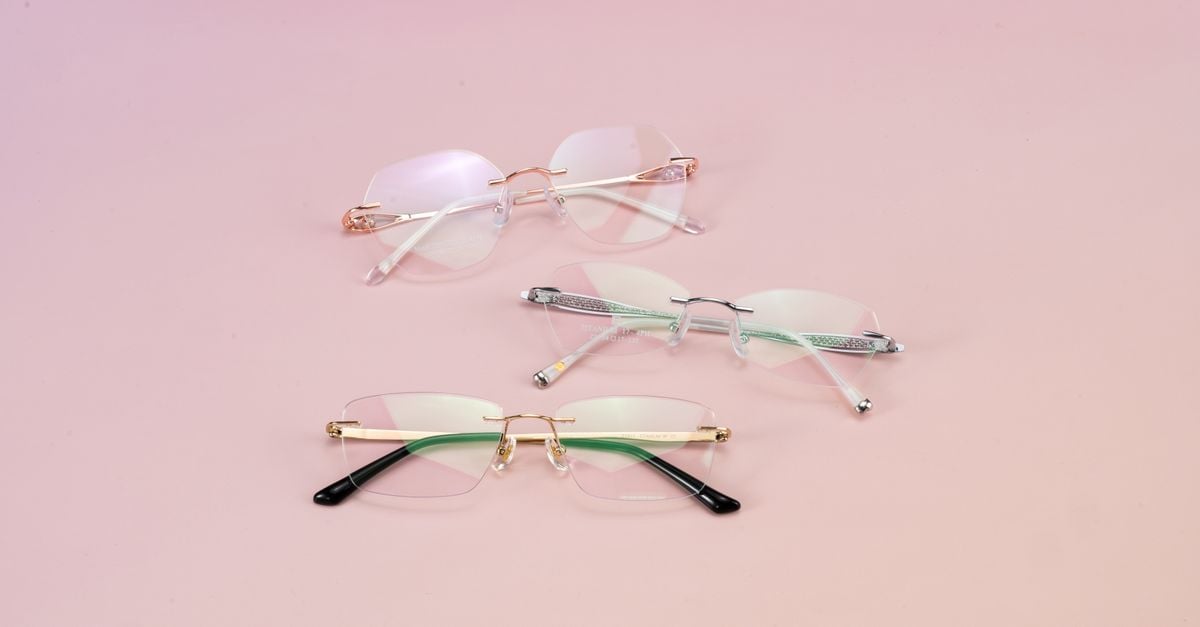
- Boutique frame selection: You don’t need to choose between function and fashion. iDoctor stocks luxury eyewear from brands like Tom Ford, Cartier, and Oliver Peoples, with premium lens options for clear night vision and style.
- Insurance and convenience: Immediate and same-day appointments are often available. All major vision insurance plans (VSP, Eyemed, Cigna Vision, Humana, Superior Vision, Davis Vision, NVA, Spectera, UnitedHealthcare Vision) are accepted.
Local proof: Our office is just past Jewel-Osco on Army Trail Road, convenient to major routes and neighborhoods. Parking is never an issue, even for evening appointments—something our patients frequently mention in their reviews.
Comparison: What Night Driving Options Actually Help?
| Option | What It Helps | Limitations | Recommended For |
|---|---|---|---|
| Yellow-tinted non-prescription glasses | May boost perceived contrast | Not proven to improve safety; no correction for prescription issues | Non-prescription users seeking subjective comfort |
| Clear prescription glasses with AR coating | Reduces glare and halos; maximizes incoming light | Requires up-to-date prescription; coating quality varies | Most drivers (nearsighted, farsighted, astigmatism, presbyopia) |
| Blue-light filtering coats | Reduces harsh headlight and screen glare | Comfort-oriented; not a replacement for prescription | Patients bothered by new LED headlights |
| Polarized sunglasses | Cuts glare in daytime | Too dark for safe use at night | Daytime drivers only |
| Comprehensive eye exam and new prescription | Addresses the root cause; checks for eye disease | Requires in-person visit | Anyone struggling with night driving |
Medical Causes: When Glasses Alone Are Not Enough
Sometimes, glare and poor nighttime clarity stem from underlying medical issues—not just your glasses. At iDoctor, our exams screen for:
- Cataracts, which scatter light and worsen halos
- Uncontrolled diabetes, which reduces contrast sensitivity
- Glaucoma, which limits night and peripheral vision
- Dry eye, causing fluctuating blur and starbursts
Widefield retinal imaging and other advanced tools let us catch problems early, so you are not left guessing.
Signs You Need a New Prescription (Not Just New Glasses)
- Halos or glare from headlights appear for the first time, or become more intense
- Difficulty reading road signs after dark, especially on unfamiliar highways like I-355 or North Avenue
- Double or ghosted images, even when using your current glasses
- Headaches after short night drives between Glendale Heights, Wheaton, or Addison
- Finding yourself avoiding night driving altogether
Updating your prescription and choosing the right coatings often has a more dramatic impact on comfort and safety than any pair of store-bought night driving glasses.

Best Practices for Safe Night Driving with Glasses
- Keep lenses, frames, and your windshield spotless; smudges and scratches scatter light and worsen glare.
- Dim your dashboard and interior lighting to minimize reflections off your lenses.
- Use the night mode on your rearview mirror and adjust side mirrors to reduce reflections.
- Review your budget and needs with an expert—premium coatings (like Crizal Rock or Crizal Easy Pro at iDoctor) add real value for challenging night conditions.
- Routinely update your prescription, even if you feel your daytime vision is stable. Small refractive errors worsen in low light.
Want more practical eyewear tips? Read our related blog: What glasses are best for night driving if glare from headlights and rain reflections makes me avoid evening trips?
FAQs: Night Driving Glasses in Glendale Heights
Do yellow night driving glasses really work?
Controlled studies show yellow lenses may increase contrast for some people, but they do not improve safety, driver reaction, or detection of hazards. For most, a current prescription with a quality AR coating is much more effective.
Are anti-reflective coatings worth it?
Absolutely. They reduce surface and internal lens reflections, decreasing halos and allowing more light to reach your eye. Most iDoctor patients who drive after sunset choose AR coatings and report a noticeable reduction in glare.
Can I get night driving glasses if I wear progressives?
Yes. Varilux XR or similar progressives are available with advanced AR coatings. Many patients also benefit from a dedicated pair of distance-only glasses for nighttime driving.
How long does it take to get glasses for night driving?
Most orders are ready within 7–10 business days, depending on prescription complexity and lens coatings. The team will keep you informed, and can suggest temporary solutions if you need urgent help.
Does iDoctor take my insurance?
We accept all major vision insurance plans, including VSP, Eyemed, Cigna Vision, Humana, Superior Vision, Davis Vision, NVA, Spectera, and UnitedHealthcare Vision. Don’t have insurance? Ask about our $200 Value Package (frame, premium lenses, AR coating).
Is parking convenient for late appointments?
Yes, our clinic at 132 E. Army Trail Rd. has parking right by the door, making it easy to visit for evening or late afternoon appointments.
How to Book an Eye Exam for Night Driving in Glendale Heights
Schedule Your Night Vision Evaluation at iDoctor
Call (630) 454-6899 or book your appointment online for a complete eye exam and lens consultation tailored to your real-world driving needs. Immediate and same-day appointments are often available.
“The exam was incredibly thorough, and everything was explained clearly. I finally understand why I was struggling to see the road at night.” – iDoctor patient
Experience the difference that comes with true boutique optical care, advanced eye exam technology, and expert prescription advice—trusted by drivers throughout Glendale Heights, Bloomingdale, and Glen Ellyn. You deserve to see the road with confidence, every time you drive after dark.
If you still have questions about night driving or want to explore our selection of designer eyeglasses in Glendale Heights, our team at iDoctor is ready to help, offering personalized recommendations for every budget and style.