Falling asleep in contact lenses—a quick nap, a late night, or every weekend—might seem harmless until you wake up with gritty, red eyes or even vision loss. At iDoctor, we meet people in Glendale Heights every week who didn’t realize how easy it is for a simple habit to spiral into infection or eye pain. The good news is, there are smart ways to minimize risk and enjoy contacts comfortably. Here’s what every extended wear user should know, whether you’re in Glendale Heights, just down the road in Bloomingdale, or passing through Lombard.
As a trusted contact lens provider in Glendale Heights, our goal is to keep your vision—and your routine—safe and stress-free.
Call iDoctor at (630) 454-6899 or book an appointment online. Same-day appointments are available if you experience redness, pain, or vision changes after wearing contacts overnight.
What Sleeping in Contacts Actually Means: Beyond the Packaging
Understanding Wear Schedules: Daily vs Extended Wear Lenses
Not all contact lenses are made the same. Here’s the real difference:
- Daily wear lenses: Must be removed every night, even if you’re just closing your eyes for a nap. These are not approved for any period of sleep.
- Extended wear lenses: Certain brands can be worn overnight up to a set number of days. But most people are surprised to learn the risk of infection remains much higher with these lenses—even if you follow directions on the box.

What the Research and Experience Tell Us
In our clinic and in published studies, one truth keeps showing up: Even approved extended wear contacts turn an otherwise healthy cornea into an easy target for infection the moment you sleep in them.
- Microbial keratitis risk: Sleeping in contacts increases your odds of severe corneal infection by five to eight times, compared to users who always remove lenses before sleep.
- Permanent vision loss: Complications from overnight wear can lead to scarring and vision loss if not caught early.
- No quick naps: A 30-minute nap is enough to drop oxygen levels in your cornea, inviting irritation and pain.
Why Sleeping in Contacts is Risky
1. Oxygen Deprivation: What Happens Overnight?
Your cornea relies on oxygen from the air. When you close your eyes—especially with a contact lens in place—your cornea cannot get what it needs. This leads to hypoxia, slowing your eye’s recovery and repair mechanisms. Over time, you may notice cloudier vision, more frequent irritation, or even blood vessel growth into the cornea (a warning sign we look for during every exam). This is not just theory—we see these warning changes every week in patients from Glendale Heights and Addison who have tried overnight wear.

2. Serious Complications: What You’re Risking
- Microbial keratitis: Bacteria invade a stressed cornea, sometimes causing damage within hours.
- Corneal ulcers: Open wounds on the cornea, leading to scarring if untreated. These require immediate medical attention.
- Lens “sticking” and abrasions: Lenses can cling to a dry cornea, making removal painful and even damaging the corneal surface.
According to clinical experience, many emergency eye visits result from sleeping in contacts—especially among younger users who may not detect symptoms until damage is advanced.
3. Naps Count Too
Even if you never intentionally sleep overnight in your lenses, short naps add up. Oxygen deprivation and risk of infection increase steadily, regardless of how tired you were or how short the nap was. If you’re sometimes tempted to close your eyes for “just a minute,” make it a habit to remove your lenses first.
Local Benefits: Safer Extended Wear for Glendale Heights Contact Lens Users
What Makes iDoctor Different for Extended Wear Users?
At iDoctor, we take an extra step for anyone considering extended or overnight wear:
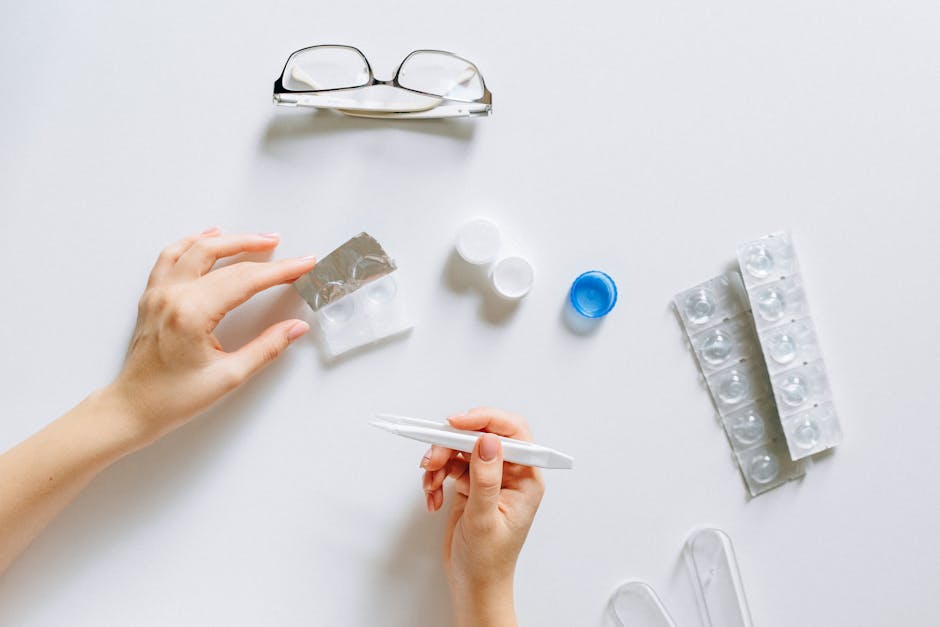
- Contact lens exams with advanced diagnostics: Our digital phoropters and corneal mapping help us determine if your corneas are truly healthy enough for any kind of extended wear.
- Corneal health screening: We use iCare tonometry and widefield retinal imaging when appropriate, especially for those with a history of overnight wear, diabetes, or other risk factors.
- Personalized care: We look at your medical history, work and sleep routines, and recommend custom wear schedules—not just what is on the label.
- Education on safe wear and hygiene: We want you to know what to look for, when to discard, and how to keep your routine safe, whether you live in Glendale Heights, Glen Ellyn, Carol Stream, or Wheaton.
Our practice is conveniently located near Army Trail and Bloomingdale Roads, right past Jewel-Osco, minutes from Carol Stream and Addison.
Latest Technology, Experienced Care
- Digital phoropters: For ultra-precise refraction and comfort, ensuring your contacts match your unique vision needs.
- iCare tonometry: For gentle eye pressure checks—especially important if you’ve ever battled infection.
- Widefield retinal imaging: To catch problems early, sometimes before you notice any symptoms.
Many patients are surprised at the difference that high-resolution, individualized measurements make, whether you’re a first-time user or a long-time extended wear fan.
“It was the first time an eye doctor explained why my vision was changing and how my contact lens habits played a role. Now my eyes feel noticeably better and I know what to do if there’s any redness.”
– Paraphrased from a verified iDoctor patient review
Accepted Insurances and Flexible Options
- VSP, Eyemed, Cigna Vision, Humana, Superior Vision, Davis Vision, NVA, Spectera, and UnitedHealthcare Vision accepted
- $125 Value Package available (includes frame, lenses, anti-reflective coating) for uninsured patients—great for keeping healthy backup glasses at home
- Immediate appointments—whether for a routine contact lens check or urgent symptoms
FAQs: Sleeping in Contacts for Glendale Heights Patients
Is it ever safe to sleep in contact lenses?
No. Every extra night of overnight wear means multiplied risk for infection, inflammation, and even permanent vision loss.
Can I nap in my contacts?
No, not even for a few minutes. Even brief eye closure with contacts increases the risk for corneal irritation and infection.
I slept in my lenses by accident—what do I do?
- Don’t pull the lenses out immediately. Blink and use preservative-free artificial tears to rehydrate your eyes.
- Remove the lenses gently. If discomfort or dryness persists, give your eyes a break—do not reinsert contacts that day.
- If there’s redness, pain, light sensitivity, blurred vision, or discharge, contact iDoctor right away at (630) 454-6899.
How long before I can wear my contacts again?
At least wait until the next day, and only if your eyes feel completely normal. If in doubt, have them checked during an eye exam to be sure you’ve avoided complications.
How long does it take to get new contacts if I need to change lenses?
Most lenses are ready within 3–7 days. New eyeglasses can be available in about a week after you select your frames in our boutique optical in Glendale Heights.
If you ever experience contacts that seem cloudy or uncomfortable by the afternoon, you may also find these tips helpful: What to do about cloudy contacts in the afternoon.
How to Book a Safer Contact Lens Exam in Glendale Heights Today
- Full vision and eye health exam with digital phoropters
- Corneal health screening and personalized wear recommendations
- Custom-fitted daily, extended, or specialty lenses—always with a focus on your safety
- Trial lenses and follow-up for new wearers
Get peace of mind if you sleep in your contacts or want to ensure your lenses are the best (and safest) option for your routine.
Call iDoctor at (630) 454-6899, text our office, or book an appointment online. For premium care and advanced diagnostics with a local touch, our optometry team in Glendale Heights is here for you.
If you want to learn more about advanced custom lens measurement or dry eye solutions, explore our blog, including tips for stopping protein buildup on contacts.