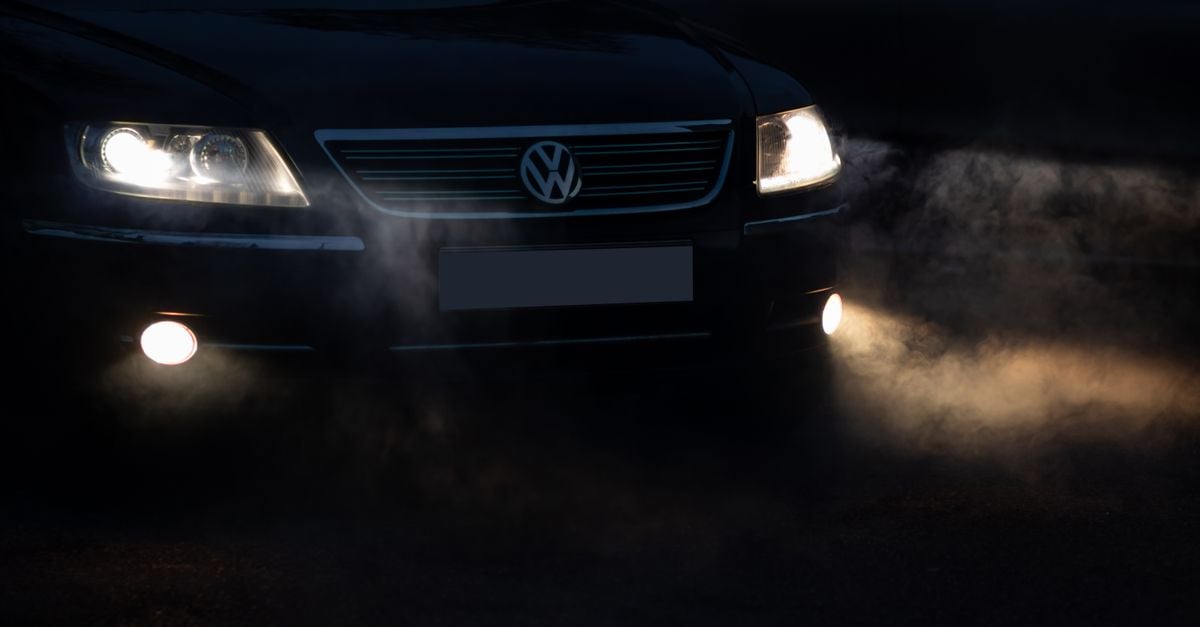
If you wear multifocal contact lenses and notice halos or glare when driving at night in Glendale Heights, you are not alone. Many patients experience glowing circles around headlights or find their vision clarity drops on local roads after dark. The reassuring news is that these issues are common with multifocal contacts, and an expert fit adjustment can often make a dramatic difference. Our advanced approach at iDoctor uses updated measurement technology and personalized lens designs to help residents of Glendale Heights, Bloomingdale, and Glen Ellyn feel confident on the road, both day and night. For more information on night driving with multifocals and optimizing your results, a consultation with an eye doctor in Glendale Heights is the first step to clearer, safer night vision.
Call iDoctor at (630) 454-6899 or book an appointment online for a detailed contact lens exam. Immediate appointments available.
What Are Multifocal Contacts and Why Do Halos Happen at Night?
Multifocal contact lenses are engineered to correct presbyopia (age-related near vision loss) by splitting incoming light into separate focal zones for distance, intermediate, and near tasks. Instead of relying on a single prescription, these contacts combine several lens powers—often in rings or gradients—to let your brain select the sharpest focus by context.
During daylight, simultaneous vision designs feel seamless for most wearers. However, nighttime presents unique optical challenges:
- Pupil Dilation: In low light, your pupil enlarges so more light enters the eye. This exposes more of the contact lens’s outer rings, increasing exposure to different prescription zones not used as much during the day.
- Spherical Aberration: Light passing through the lens edge focuses slightly differently than light entering the center, often creating a characteristic halo or soft blur around headlights and streetlamps.
- Simultaneous Foci: With multifocal optics, some light is not used for your current point of focus. When driving at night, the unfocused light can appear as faint rings or starbursts—impacting contrast and crispness, especially for bright point sources like LED headlights.
- Lens Position: If your contacts decenter or rotate slightly at night, more of the multifocal pattern can interact with your widened pupil, accentuating halo effects or even temporary distance blur.
Many drivers report the following symptoms on Army Trail Road, North Avenue, or during commutes from Carol Stream or Addison:
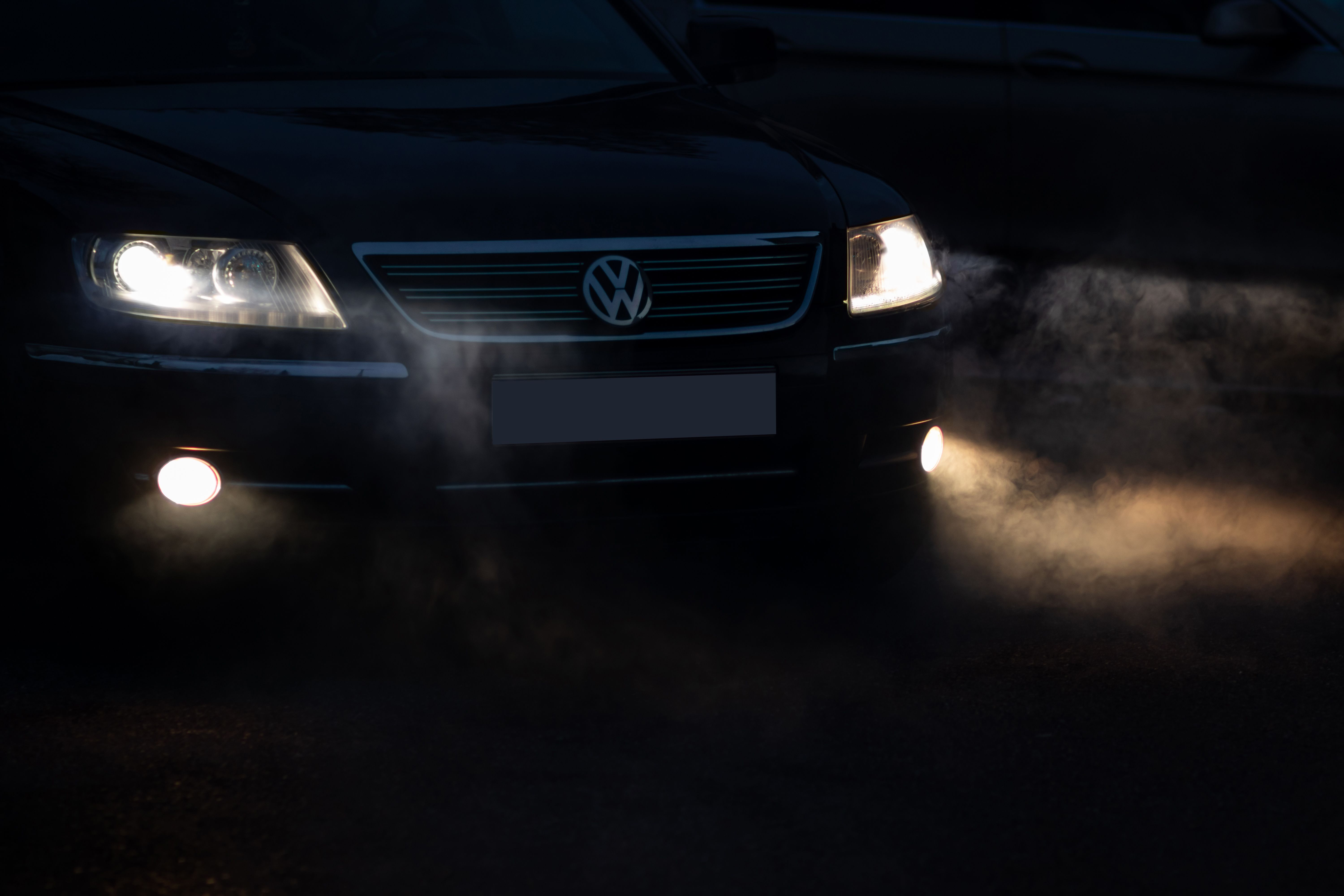
- Glowing rings or soft halos around oncoming headlights
- Starbursts around traffic lights and signage
- Lower contrast for lane lines, especially in rain or on dark streets
Most wearers describe these halos as mild to moderate, but for some, they may be significant enough to make night driving stressful.
Local Benefits: Why a Precision Fit Matters for Glendale Heights Drivers
The primary local keyword for this post is eye exam glendale heights. At iDoctor, comprehensive eye exams and detailed contact lens fittings are performed using advanced digital phoropters, corneal mapping, and high-resolution retinal imaging. This technology allows us to:
- Precisely measure your corneal shape and pupil size for low-light conditions
- Identify subtle refractive errors (such as undetected astigmatism) that can worsen halos
- Check lens alignment and stability on your eye during both normal and dilated states
By prioritizing custom measurements, your optometrist can adjust parameters to give you a sharper night driving experience—especially on local roads connecting Glendale Heights to Lombard or Wheaton. Fitting expertise is especially important if you regularly drive in unfamiliar neighborhoods or travel through complex intersections like those near Army Trail and Bloomingdale Road.
Specific Multifocal Fit Adjustments That Improve Night Vision
- Center Distance Designs: Many modern multifocal contacts place the clearest distance prescription at the lens center. This aligns sharp distance focus with your line of sight—ideal if you want road signs and traffic to appear crisper at night and the periphery of the lens to have less daytime reading effect.
- Aspheric Lens Profiles: These reduce spherical aberration and create smoother transitions between focus zones, limiting optical imperfections that can cause halos or flare around lights.
- Balanced Zone Customization: Adjusting the balance between near and distance in one or both eyes helps night drivers, often by prioritizing distance clarity in the dominant eye and maintaining near vision in the non-dominant eye.
- Toric Multifocal Contacts for Astigmatism: Undercorrected astigmatism accentuates glare and starbursts at night. Stabilized toric multifocals—fitted to your corneal shape and rotation—help keep night vision sharper, especially through frequent blinks or head turns.
- Upgrading to Daily Disposables: Debris and lens deposits amplify scatter and blur, particularly by evening. Many patients find that switching to a higher moisture daily multifocal (with a fresh lens every day) keeps vision clearer for longer drives.
- Blue-Violet Light Filtering: Premium multifocals may include filtering properties that dampen harsh glare from modern LED headlights and illuminated signage, useful for busy commercial routes in Bloomingdale or Glen Ellyn.
Why Glendale Heights Patients Trust iDoctor for Multifocal Fitting
Patients choose iDoctor not only for our boutique lens and eyewear selection, but for the hands-on, technology-backed approach to vision assessment and troubleshooting. As one iDoctor patient said, “the eye exam was incredibly thorough, and she took the time to explain everything in a way that made sense.” Another noted, “I felt very comfortable from the time I arrived. She and her staff are very professional and it was a very positive appointment.” These experiences reflect what sets us apart for drivers who need both clarity and confidence after sunset.
— iDoctor patient
FAQs: Night Driving With Multifocal Contacts in Glendale Heights
Are halos normal at night with multifocal contacts?
Yes, mild halos around headlights and streetlights are common due to multifocal lens optics, especially when your pupils dilate after dark. If halos are significant enough to impact your driving safety, schedule a fitting check for personalized solutions.
Can a fit adjustment reduce glare or halos?
Absolutely. Precision measurements, updated prescriptions, switching to center distance or aspheric designs, and stable toric correction can significantly reduce glare and halos. Many patients notice improvements immediately after a refit.
Do I need different contacts or glasses for night driving?
Some people benefit from dedicated distance glasses for night driving, especially if they are highly sensitive to scattered light. Most patients, however, see notable improvements with the right multifocal lens adjustments. Your optometrist can help you decide the best approach for your needs.
How long does it take to adapt to multifocal contacts at night?
Most people adapt within two to four weeks. If discomfort or halos persist beyond this period, a follow-up fitting is advised rather than simply “waiting it out.” Persistent symptoms merit professional evaluation.
Does iDoctor accept my insurance for a night-driving focused contact lens exam?
Yes. iDoctor is in-network with VSP, Eyemed, Cigna, Humana, Superior Vision, Davis Vision, NVA, Spectera, and UnitedHealthcare Vision. The team will help you verify benefits and maximize your allowance for exams, fittings, and new lenses.
How to Book a Night Driving Contact Lens Exam at iDoctor
If halos, glare, or general night vision discomfort affect your driving safety in Glendale Heights, Carol Stream, or Lombard, the solution may be as simple as a personalized multifocal contact lens adjustment.
- Book Your Exam: Call iDoctor at (630) 454-6899, text, or schedule online. Often, same- or next-day appointments are available.
- Bring Your Current Lenses: If possible, bring your current lens boxes or packaging and any backup glasses used for night driving.
- Comprehensive Evaluation: Expect digital prescription checks, corneal mapping, retinal imaging (available for $39), and tailored lens fit analysis under low-light conditions.
- Night Vision Discussion: Describe your typical driving routes, challenging intersections, and symptom specifics for a custom solution.
- Trial and Follow-up: You may receive trial lenses or design adjustments on the spot, with a follow-up to reassess clarity on your actual night drives.
- Benefit Review: The iDoctor team will help verify your vision insurance and discuss affordable value packages if uninsured.
For more about different multifocal lens types, you may also find this guide comparing brands and our article on settings for night driving in multifocal contacts helpful.
Call iDoctor in Glendale Heights at (630) 454-6899 or book your exam online today.
Located at 132 E. Army Trail Rd., near Jewel Osco and minutes from Carol Stream and Bloomingdale.
To learn more about premium eye care, advanced diagnostics, and designer lens solutions, explore our full blog library and discover why families from Glendale Heights, Wheaton, and Addison choose iDoctor for vision needs that go beyond basic exams. Same-day availability and expert advice are always just a call away.