Struggling to find the clear “sweet spot” with your progressive lenses—especially at the computer or while reading? The real difference between frustration and freedom of vision often comes down to two factors: corridor width and the accuracy of digital measurements—each tailored by your frame choice. At iDoctor, progressive lens comfort for every lifestyle starts with expertise in both optics and advanced measurement tools. As a boutique optical serving Glendale Heights, Bloomingdale, Glen Ellyn, and nearby, our team ensures your lenses, frames, and fit align for maximum clarity. Visit our eye doctor in Glendale Heights for guidance you can trust.
What Is Progressive Lens Corridor Width?
Understanding Corridors in Progressive Lenses
A progressive lens contains three blended vision zones: distance, intermediate, and near. The corridor is a vertical channel where the prescription power gradually transitions from far to near. Corridor width refers to how much of the lens, side to side, gives you usable, clear vision at each stage. A wider corridor creates a larger area for comfortable reading and screen use, minimizing the constant head tilting and searching for clarity experienced with narrow designs.
Corridor length is the vertical measurement from where the intermediate zone starts to where the full reading prescription is achieved (usually between 12 to 18 mm, depending on lens design and frame height). Longer corridors favor smoother transitions and wider usable zones, while short corridors suit smaller frames but often mean more restricted vision fields.
Why Corridor Width Matters for Everyday Comfort
If you spend hours at a desk or move rapidly between distance, screen, and reading, corridor width is not just a number—it is the difference between relaxed and strained viewing. A design with greater width in the intermediate and near zones helps:
- Read and look up at screens with less effort
- Scan documents or spreadsheets without moving your head side-to-side constantly
- Drive, shop, and perform daily activities without eye fatigue
Narrower corridors, by contrast, create cramped vision “sweet spots.” Many Glendale Heights residents who have tried basic progressives from big chains or online sources report difficulty adapting. At iDoctor, we solve this by matching design choice and exact frame fit to your daily routine. For more explanation about how premium lens technology improves comfort, browse our related post on Varilux XR, Comfort Max, and Comfort DRx performance.
Local Benefits in Glendale Heights: Digital Measurements & Expert Frame Selection
The Role of Frame Size in Corridor Design
Your frame is not just about style; it determines if your desired lens technology can perform at its best. Wide-corridor progressives require a frame with enough vertical height (often 28–30 mm or more) so the corridor does not get compressed or the reading area cut off. Compact, shallow frames are stylish, but they force a short corridor, compressing the transition and making intermediate vision more limited. If you want both the bold look and technical performance, our team at iDoctor will guide you to frames—whether bold acetate, titanium, or rimless—that allow the full corridor width for clear intermediate and near vision.
We see many Glen Ellyn and Lombard patients who love fashion-forward shapes, but we show how even 3–4 mm more in frame height can double the reading zone visibility. Choosing the right frames at our boutique optical can give you both premium style and a wide, easy-to-use lens corridor.
Precision Digital Measurements: How iDoctor Delivers Accurate Fit
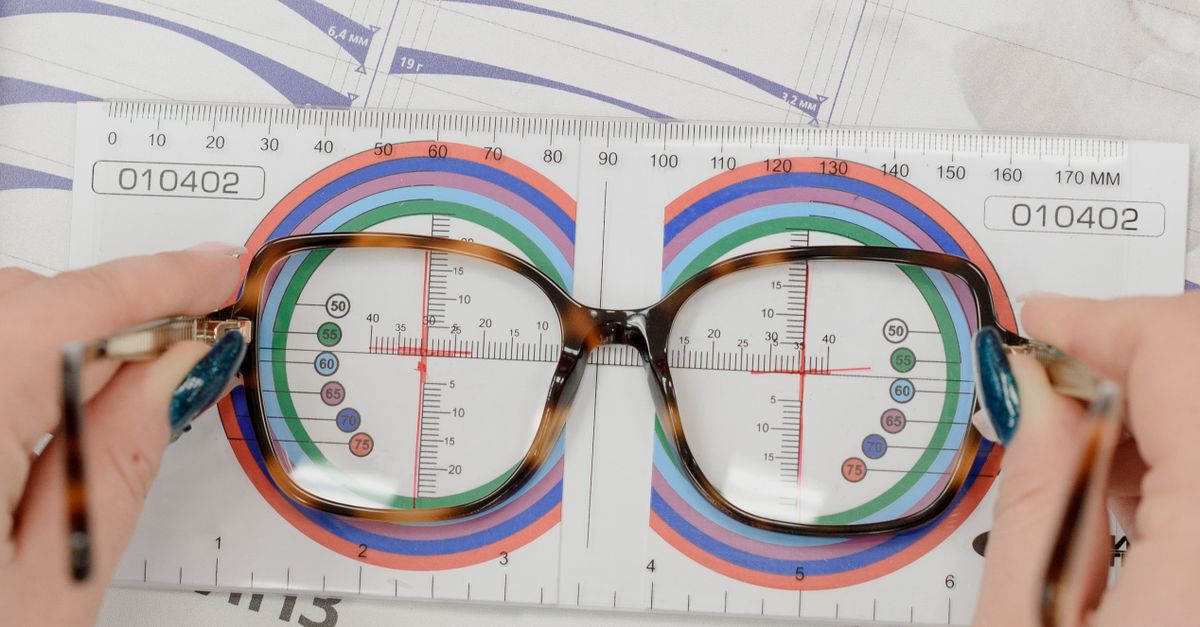
The other key to maximizing your progressive lens corridor is measurement accuracy. At iDoctor, we use Optikam digital fitting technology. This system records your unique pupillary distance (PD), monocular PDs, vertical fitting height within your chosen frame, as well as the angle and position of the frame on your face.
- Exact horizontal and vertical pupil location for both eyes
- Pantoscopic tilt and wrap for your particular frame and nose fit
- Vertex distance to the eye, essential for modern lens designs
These precise inputs are sent to the lens laboratory to map the corridor so it naturally matches your eye position—giving you the widest clear intermediate and near zone possible, even with complex prescriptions. Compared to manual ruler approaches, this minimizes the risk of adaptation issues, off-center zones, or lingering blur. Our advanced diagnostics, digital phoropters, and measurement tools enable us to personalize every fitting for your daily life.
Real Patient Perspective: Why Local Expertise Works
We recently saw a patient from Addison who was frustrated that their previous progressive lenses (from a national chain) made reading feel like “hunting for focus.” With digital measurements and frame guidance at iDoctor, they now describe their new lenses as “so natural I do not even notice the transitions.”
Premium Lens Technologies Tailored for You
We fit leading options like Varilux XR, Comfort Max, and Comfort DRx for progressives, Eyezen for digital lifestyles, and Crizal Rock anti-reflective coatings. Every solution is selected based on your lifestyle, prescription, and frame. For more, see our post on how detailed measurements impact lens comfort.
FAQs: Progressive Lenses, Corridor Width, Frames, and Local Service
What is a progressive lens corridor and why does its width matter?
The corridor is the vertical channel in your lens transitioning power from distance at the top to reading at the bottom. Width determines how much clear space you get for screens or books. Wide corridors equal more usable space and fewer adaptation issues.
Do I need a bigger frame for wide-corridor progressive lenses?
Yes. A frame with 28–30 mm vertical height allows the biggest, most comfortable corridor for all zones. Smaller frames can limit comfort and force compromises in the effective zone sizes. Our optical team guides you to stylish frames that meet these technical needs.
Can a small or shallow frame still work for progressives?
Short-corridor progressives are designed for shallow frames, but expect a narrower reading and intermediate area. We always explain the tradeoff so you understand how your style preferences affect vision with different lenses.
How does iDoctor’s measurement technology help?
Optikam captures key measurements for each person within their chosen frame, allowing us to precisely position the corridor and maximize clear width. Most patients find digital fitting gives them the quickest, easiest transition to progressives.
What insurances does iDoctor accept for progressives?
We accept VSP, Eyemed, Cigna Vision, Humana, Superior Vision, Davis Vision, NVA, Spectera, UnitedHealthcare Vision, and more. For those without insurance, our $125 value package covers frame, premium lens, and AR coating. Immediate appointments are often available.
How long do progressive lenses take to make?
Most are ready in 7–10 business days after your final fitting; complex prescriptions, coatings, or tint requests may add time. We notify you as soon as they are ready for pickup or in-person fitting.
Is parking, insurance, or access convenient?
Absolutely. iDoctor is located at 132 E. Army Trail Rd., near Army Trail and Bloomingdale Roads by Jewel-Osco. We serve Glendale Heights as well as Bloomingdale, Carol Stream, and Glen Ellyn. Major vision insurances accepted.
How to Book Progressive Lens Consultations in Glendale Heights
- Step 1: Schedule a comprehensive eye exam (online or by phone). We’ll assess your prescription and discuss vision needs.
- Step 2: Browse and try on designer and technical frames with our opticians to choose one with suitable vertical height.
- Step 3: Allow us to take digital Optikam measurements for PD, fitting height, and frame position.
- Step 4: Our optical experts recommend the best progressive design and coatings for your lifestyle and visual demands.
- Step 5: Return for personalized fit adjustments to maximize comfort, minimize adaptation time, and ensure corridor alignment.

For more advice on lens comfort and measurement, review our guide on why digital measurements matter for custom eyewear. If you want eyewear that fits perfectly and actually looks good, check our post on picking luxury frames that feel great all day.
Our boutique optical in Glendale Heights is dedicated to precision fittings and premium designer choices for all vision needs. We welcome patients from across Carol Stream, Glen Ellyn, Lombard, Wheaton, Addison, and nearby. Discover the difference locally at iDoctor: clear advice, advanced technology, and eyewear you’ll love every day.