Many contact lens wearers in Glendale Heights experience sudden hazy vision or a gritty, persistent irritation. The issue is often due to protein buildup on the lenses, a problem that doesn’t just cause discomfort but also increases infection risk if ignored. At iDoctor, we help patients from Glendale Heights, Carol Stream, Bloomingdale, and beyond enjoy crisp, comfortable vision by addressing these challenges with advanced diagnostics, proven cleaning routines, and guidance tailored to our community’s needs. If you’ve struggled with contact lens comfort—even after using different brands—understanding and preventing protein buildup could be your solution. For those searching for trusted contact lenses in Glendale Heights, we’re here to help.
What Is Protein Buildup on Contact Lenses?
Protein buildup refers to the natural accumulation of tear film proteins, like lysozyme, on the surface of your contact lenses. This layer can be almost invisible at first, but over days or weeks, it often creates a filmy haze or sticky feeling, particularly on monthly or biweekly soft lenses. Even if you clean your contacts, protein can slowly accumulate, especially if you have strong allergies or wear your lenses past their recommended timeline.
- Spotting the Symptoms:
- Blurred, foggy, or cloudy vision even after cleaning your contacts
- Gritty or sandy sensation, usually affecting both eyes
- General discomfort, itchiness, or redness that persists throughout the day
- Irritation that isn’t improved by blinking or rinsing with solution
- Why It Matters:
- Cloudy deposits make lenses less breathable and comfortable
- Protein can trap bacteria and allergens, raising the risk of infection or allergic reactions (e.g., giant papillary conjunctivitis)
- Ignoring buildup may increase your chances of needing to stop contact lens use altogether
- Who’s Most Affected?
- Individuals with allergies (in areas like Glen Ellyn or Lombard, where pollen counts run high)
- Those wearing monthly or biweekly soft contacts
- People who extend lens wear past the recommended window
- Patients who sometimes rush their nightly cleaning routine
Preventing and Managing Protein Deposits in Glendale Heights: Local Benefits
We’ve learned that protein deposits are about more than just personal hygiene. Our suburban environment—with pollen, dust, and seasonal construction—affects lens comfort for residents in Glendale Heights, Addison, and nearby communities. At iDoctor, we combine advanced technology and one-on-one care to prevent and manage this issue for every patient.
- Personalized Lens Selection
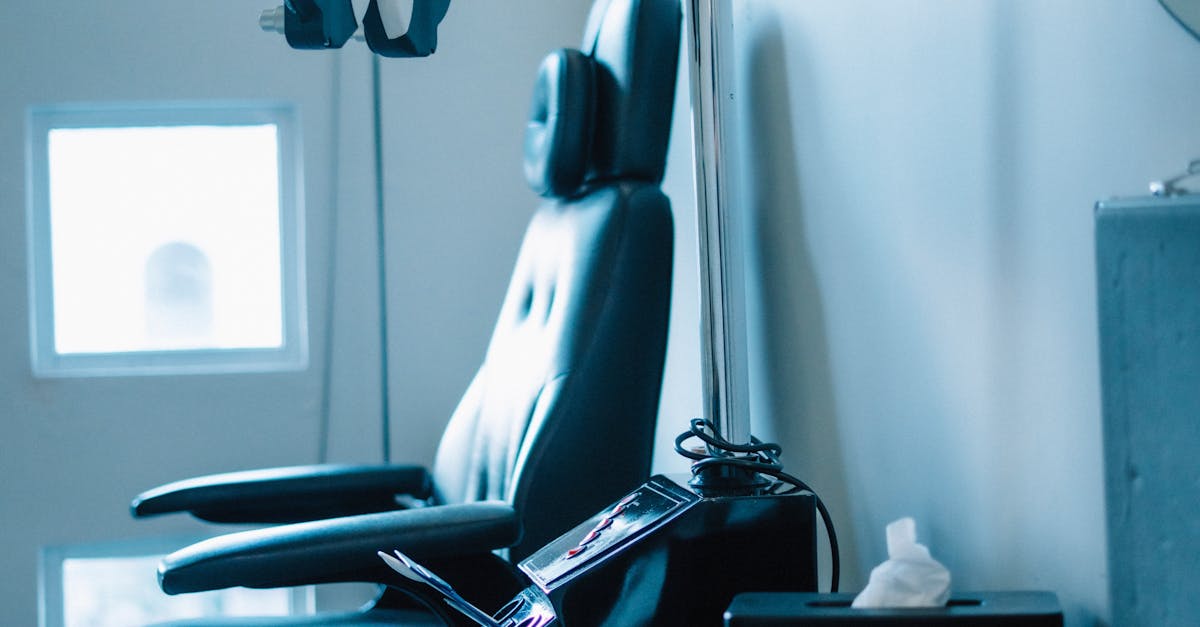
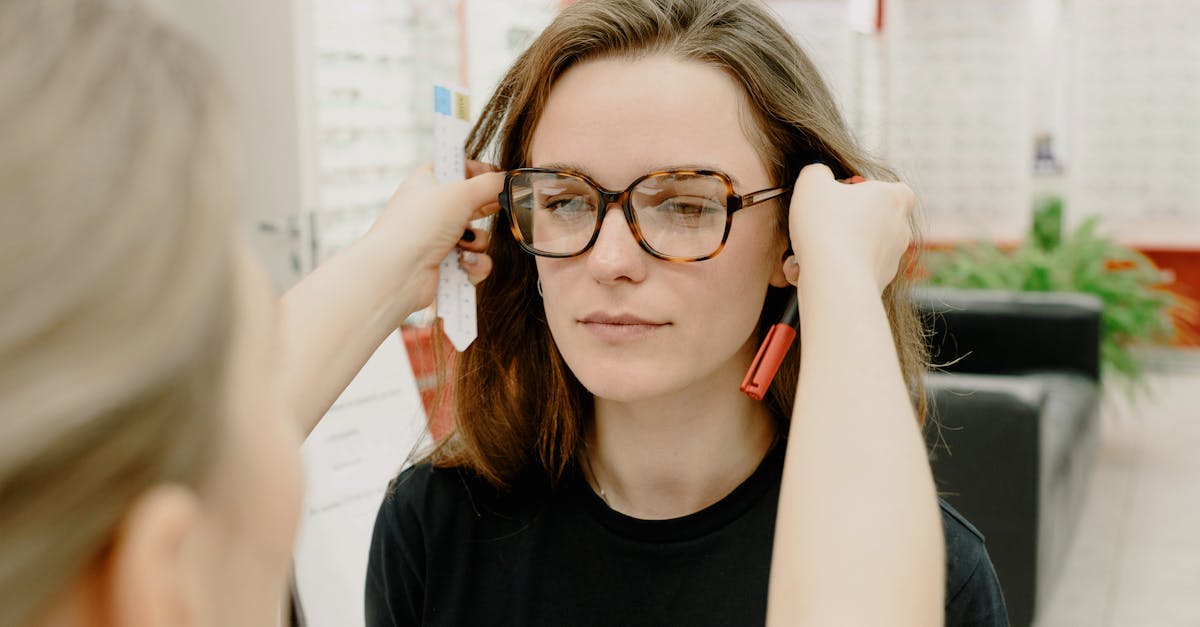
During our detailed eye exams and contact lens fittings, we use high-resolution imaging and digital phoropters to evaluate your tear chemistry and lens suitability. Some patients may be better suited for certain brands or daily lenses that resist deposit formation better. - Best Practices for Cleaning
- Always wash and dry your hands before handling lenses
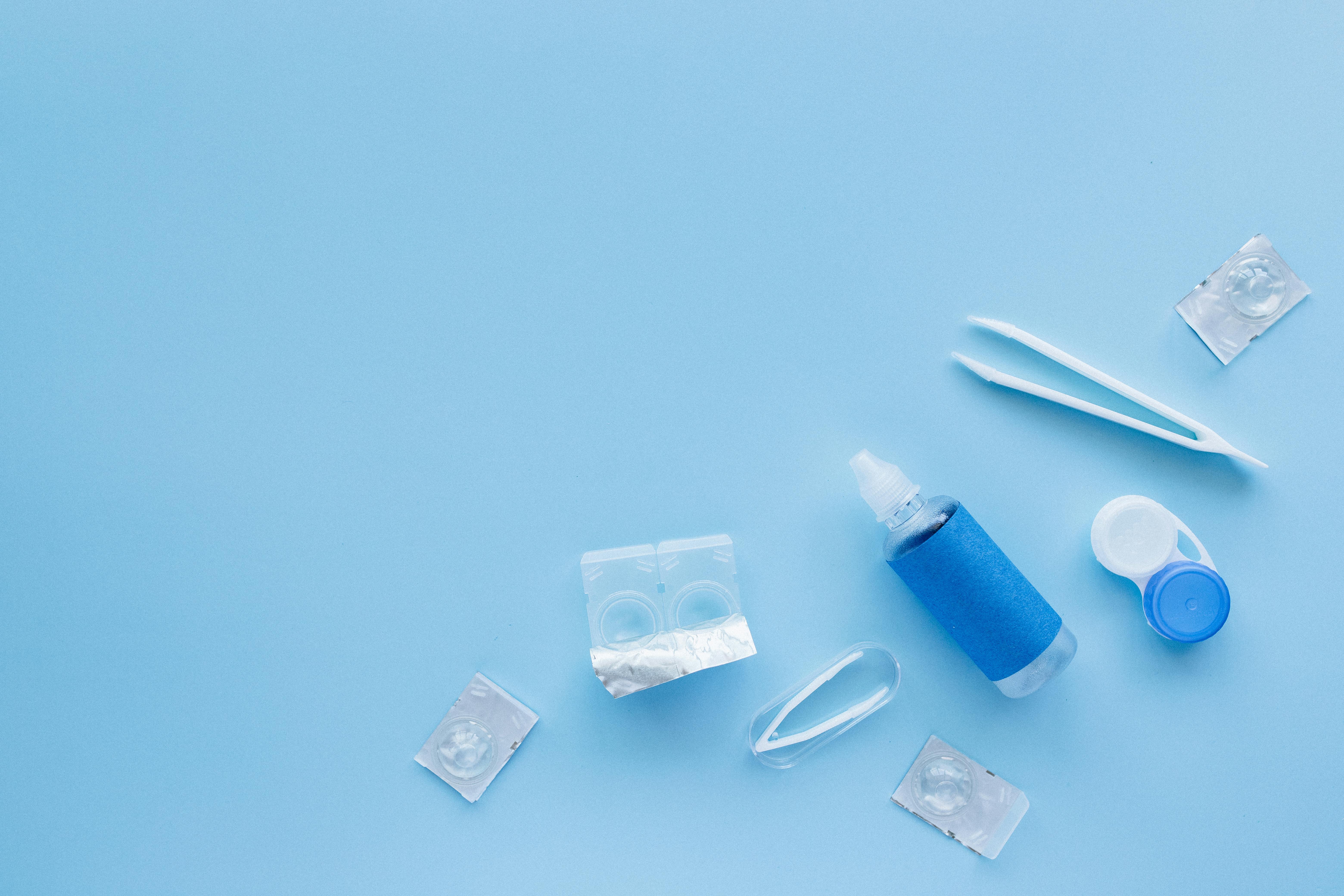
- Rub and rinse lenses with a fresh, recommended multipurpose solution every night (never tap water)
- Add a weekly enzymatic cleaner if using biweekly or monthly lenses, especially if you frequently notice haze or mild irritation
- Replace your contact lens case every three months, as old cases harbor bacteria and debris that can trigger buildup
- Strictly follow the replacement schedule: daily disposables mean a new lens every day, while monthly lenses should never be worn beyond four weeks
- Diet, Hydration, and Local Living
- Stay hydrated—adequate water supports healthy tear film and reduces sticky deposits
- If you have seasonal allergies (common near suburban parks and sports fields), discuss lens changes during spring and fall
- Advanced Follow-Up
- Schedule annual eye exams or more frequent visits if irritation returns
- Our technology, including widefield retinal imaging and gentle eye pressure checks, lets us catch early signs of lens-related problems long before you experience major discomfort
– iDoctor patient
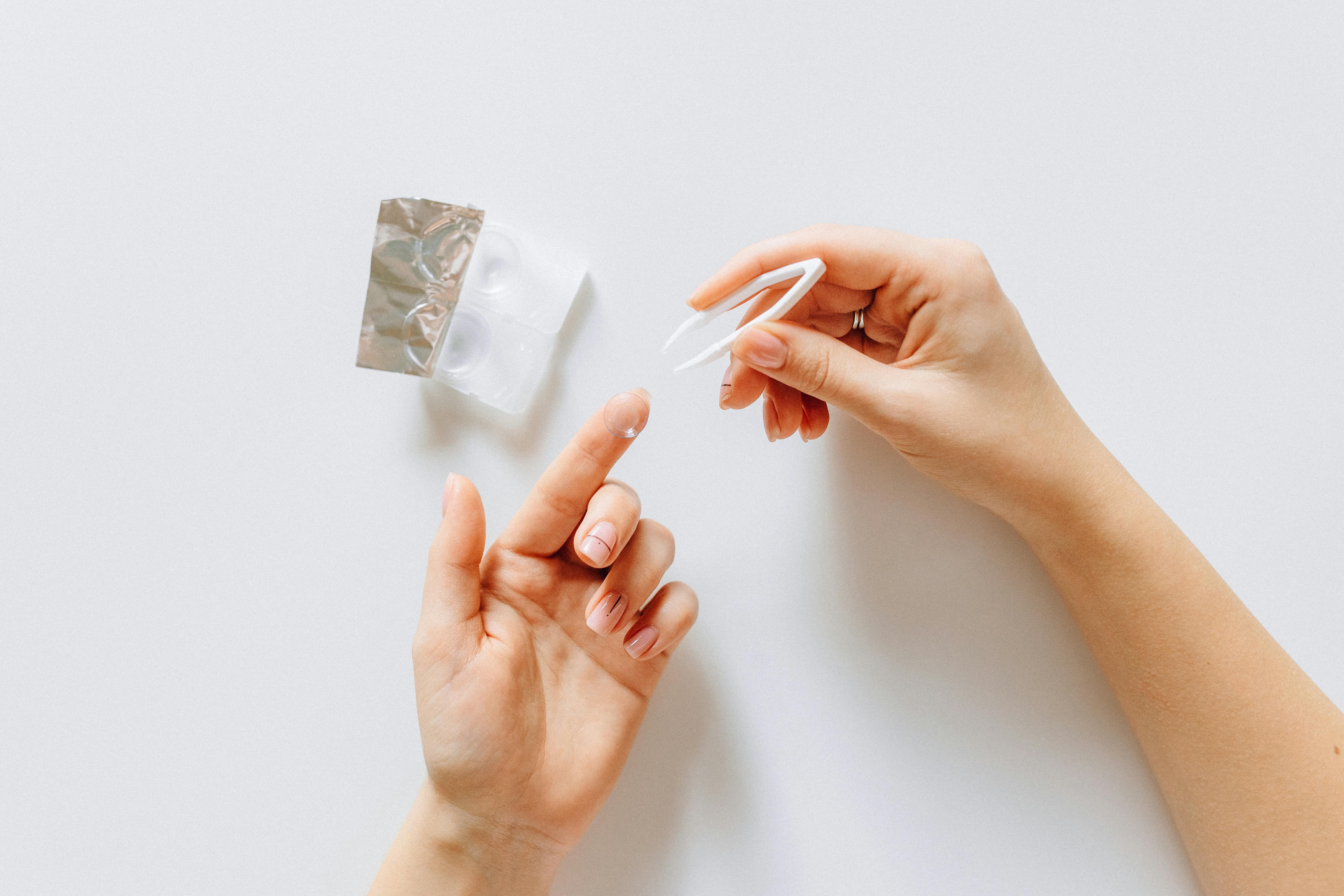
If you want to dive deeper into long-term comfort, especially for astigmatism or dry eye, our blog on most comfortable contacts for astigmatism and dry eyes covers lens materials and care routines for special needs. We’re always adding tips for local residents—see how our Glendale Heights contact lens experts help you experience relief.
FAQs: Protein Buildup and Contact Lens Care in Glendale Heights
What are the main symptoms of protein buildup?
Look for blurry, hazy vision, persistent dryness, a gritty sensation, and redness that won’t go away. If your lenses never feel truly clean after disinfecting, it’s time for professional help.
Is an enzymatic cleaner needed for daily contacts?
Daily disposable lenses do not need extra protein removers. If you use monthly or two-week lenses, ask us about a compatible enzymatic cleaner for your specific brand.
Does iDoctor offer urgent or same-day appointments?
Yes, we often have same- or next-day slots, especially for contact lens emergencies. Call (630) 454-6899 to check current availability for Glendale Heights, Glen Ellyn, Wheaton, or Addison patients.
Which insurance plans are accepted?
We accept all major vision plans: VSP, Eyemed, Cigna Vision, Humana, Superior Vision, Davis Vision, NVA, Spectera, UnitedHealthcare Vision, and more. Many plans cover annual exams, lens fittings, and prescription updates. Competitive value packages are also available for those without vision insurance.
How quickly can I get replacement contacts or eyeglasses?
Most in-stock contact lens brands are ready for pickup within a few days of your exam. Prescription eyeglasses typically arrive in 7–10 business days, sometimes faster if your prescription is common.
What about parking and location?
Free and convenient front-lot parking is available at 132 E. Army Trail Rd., just past Jewel-Osco and easily accessed from both Army Trail and Bloomingdale Roads.
Should I bring my old contacts or glasses to the appointment?
Bringing your current contacts or glasses, along with your medication list and insurance card, helps us deliver the most customized recommendations and troubleshoot any protein buildup or discomfort.
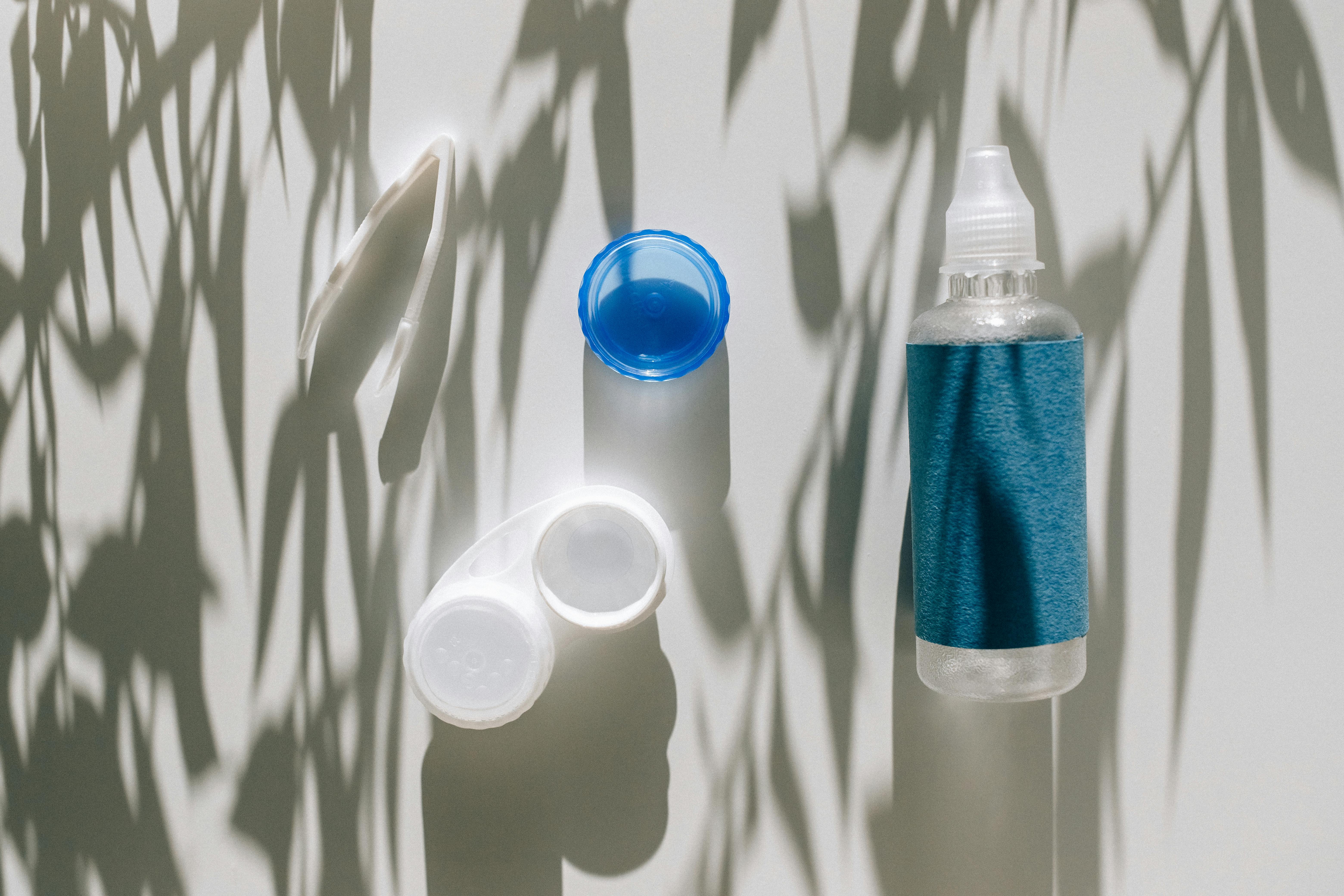
How to Book a Contact Lens Visit in Glendale Heights
Ready to say goodbye to hazy contacts and uncomfortable eyes? At iDoctor, we deliver comprehensive exams using advanced diagnostic tools and an expert team passionate about long-term comfort for every patient. We welcome families and individuals from Glendale Heights, Lombard, Addison, Glen Ellyn, Carol Stream, and surrounding areas. Major insurances accepted and immediate appointments are frequently available.
For style-forward eyewear or more guidance on healthy vision, explore our Glendale Heights boutique optical—minutes from Bloomingdale and Carol Stream, near Jewel-Osco. Get expert local care and stay comfortable all year long.