Bright sunlight can make driving challenging for anyone who wears glasses in Glendale Heights. Many people debate between transition lenses and prescription sunglasses for road safety and daily comfort, especially as they drive through neighborhoods or commute to nearby cities like Bloomingdale or Glen Ellyn. Understanding which lens offers consistent clarity and protection behind the wheel is crucial. At iDoctor, we specialize in helping drivers make the right choice, drawing on our experience serving the Glendale Heights community with advanced diagnostics and fashion-forward eyewear options.
Need expert advice on sunglasses or transitions for driving?
Call iDoctor at (630) 454-6899 or book an appointment online today. Immediate and same-day slots are often available.
What Are Transition Lenses and Prescription Sunglasses?
Definition of Transition Lenses
Transition lenses (also called photochromic lenses) are prescription glasses that remain clear indoors and darken automatically when exposed to ultraviolet (UV) light outdoors. This technology reacts to sunlight, creating a moderate sunglass effect outside but reverting to clear lenses indoors. Many opt for transition lenses for the convenience of not swapping between two pairs of glasses.
- Indoors or at night: Stay completely clear.
- Outside: Darken in response to UV, blocking around 75% of visible light at peak.
- In a car: Darkening is often limited since windshields block much of the UV light needed to activate the photochromic process.
Definition of Prescription Sunglasses
Prescription sunglasses are custom glasses with your unique prescription built into a permanent dark tinted lens. Most are available with polarization to reduce glare dramatically—a key benefit for driving. They provide maximal light reduction (typically up to 85%) and maintain a consistent darkness, regardless of sunlight, weather, or windshield type.
- Work instantly outdoors and in vehicles.
- Polarized options reduce glare from road surfaces, water, and snow.
- Multiple choices for tints, gradients, and designer frame styles.

Local Benefits: Prescription Sunglasses vs. Transition Lenses for Glendale Heights Drivers
For real-world driving in Glendale Heights (and on busy routes to areas like Carol Stream or Addison), lens performance behind the wheel is a top concern. Here’s how these options compare when it matters most:
| Feature | Transition Lenses | Prescription Sunglasses |
|---|---|---|
| Light blocking | Up to 75% (outdoors) | Up to 85% (always) |
| Effectiveness while driving | Limited (windshields block activation) | Excellent (consistent tint and glare protection) |
| Transition time | Several minutes to darken/lighten | Immediate |
| Best for | Indoor-outdoor lifestyles with minimal driving | Frequent drivers, outdoor professions, sports |
| Polarized glare reduction | Occasionally available, less effective | Standard in most models |
| Fashion variety | Clear indoors, less style diversity | Wide range of colors, styles, luxury brands |
Why Transition Lenses Underperform in Cars
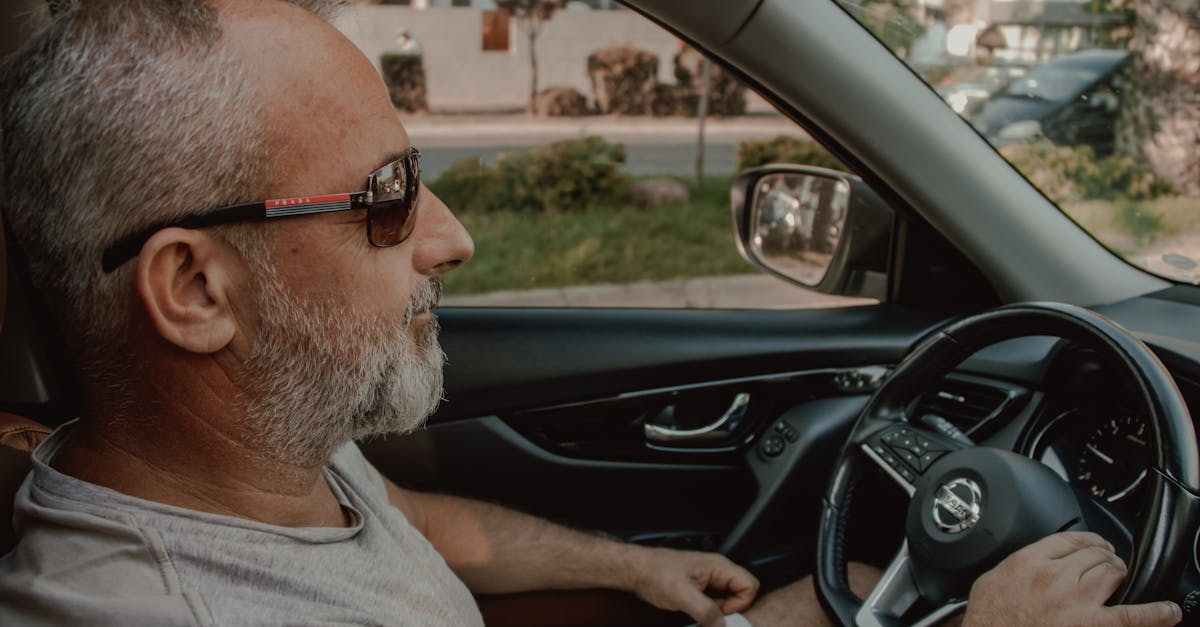
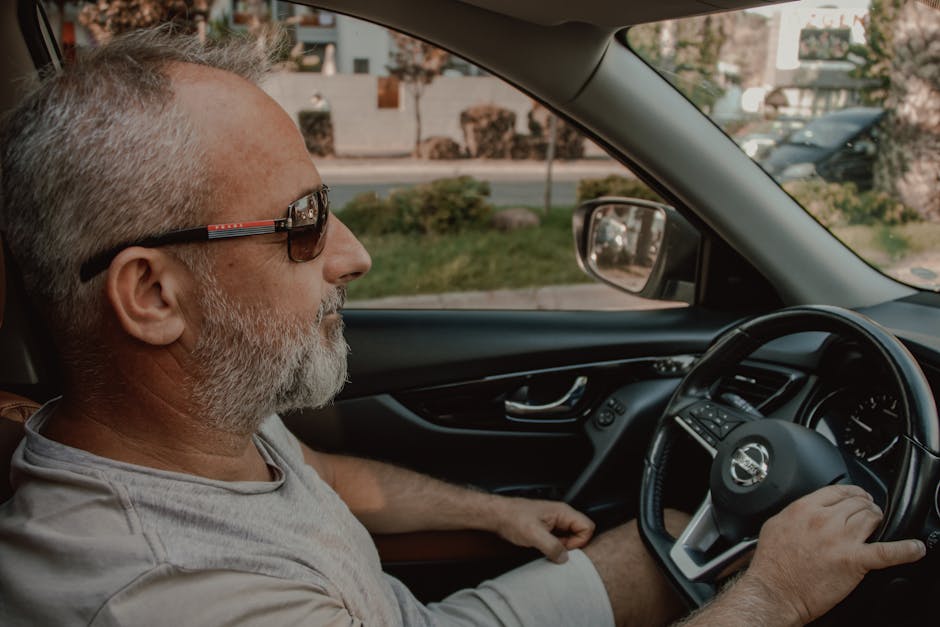
Standard transition lenses depend on UV light to darken, but most car windshields block UV rays to protect your eyes and skin. This means your transition lenses may only darken partially during the brightest drives—leaving you squinting or dealing with glare from traffic and road surfaces. While newer photochromic technologies respond better to visible light, they still rarely achieve the deep tint and immediate effect of prescription sunglasses when you’re behind the wheel.
When Are Transition Lenses Still a Good Fit?
- You rarely drive, and want convenience for moving between indoors and outdoors
- You have low sensitivity to sunlight or primarily want UV protection
- Your daily routines are mostly inside offices or retail environments in Glendale Heights or Lombard
When Prescription Sunglasses Are the Safer Choice
- You commute or drive frequently (even short trips to Bloomingdale or Addison)
- You want true glare reduction from snow, water, or bright pavement
- You have a high sensitivity to light and need maximum comfort every day
- You participate in outdoor work or sports
At iDoctor, we see this decision come up daily and tailor our recommendations by listening to your lifestyle and answering questions. Our optometrists use digital phoropters for precise measurements and guide you through designer and functional lens options—especially for drivers moving throughout the western suburbs.
Local Expertise and Service
- Located at 132 E. Army Trail Rd., minutes from Army Trail & Bloomingdale Roads—easy access for anyone from Glen Ellyn to Carol Stream
- Same-day and next-day appointments, so you can upgrade your eyewear fast
- We accept all major vision insurance: VSP, Eyemed, Cigna Vision, Humana, Superior Vision, Davis Vision, NVA, Spectera, UnitedHealthcare Vision
- Value Package: $125 with frame, premium lenses, and anti-reflective coating for those without insurance
Want details on high-index, digital, or progressive sunglasses lenses? Explore our past blog Choosing the Right Lenses in Glendale Heights: A Comparison Guide for Clarity, Comfort, and Durability for more.
Frequently Asked Questions (FAQs)
Do transition lenses work while driving in Glendale Heights?
Regular transition lenses only darken partially inside a car, since most windshields filter out UV light that activates them. Some advanced types work slightly better, but prescription sunglasses provide more consistent comfort for drivers.
Can I have both transitions and prescription sunglasses?
Absolutely. Many patients use transitions for everyday indoor-outdoor wear and keep a pair of prescription sunglasses in the car for safe driving. This combination covers all scenarios and maximizes eye comfort.
How quickly do transitions lighten and darken?
Transition lenses usually take a few minutes to react fully—both to get dark outside and to return to clear after coming indoors. Cold weather in Illinois can slow the process.
What insurances does iDoctor accept for sunglasses and transitions?
We accept all major vision plans, including VSP, Eyemed, Cigna, Humana, Superior Vision, Davis Vision, NVA, Spectera, and UnitedHealthcare Vision. Our team will explain your options at your visit.
How long does it take to get new prescription sunglasses?
Most eyeglasses at iDoctor are ready within 1-2 weeks. Same-day and next-day appointments are often available for exams and fittings. If you need a rush, let us know and we will do our best to accommodate your timeline.
Is there parking available at your Glendale Heights office?
We have ample parking at 132 E. Army Trail Rd., near Jewel-Osco and just off Bloomingdale Road. Our practice is easily accessible for patients from Glendale Heights, Bloomingdale, and Glen Ellyn.
How to Book Prescription Sunglasses or Transition Lenses in Glendale Heights
Your eyes deserve the best vision and comfort.
Call iDoctor at (630) 454-6899 or book your appointment online for expert, tailored advice. We’re minutes from major roads and serve patients from Glendale Heights, Bloomingdale, Glen Ellyn, Carol Stream, and beyond. Ask about our designer frames and digital lens technologies, as well as advanced diagnostics like digital phoropters and wide-angle retinal imaging.
Location: 132 E. Army Trail Rd., Glendale Heights, IL 60139
Hours: Mon, Thu & Fri 9-5, Tue & Wed 10-3
Conclusion
In summary, transition lenses offer everyday flexibility for people who move between indoor and outdoor environments, but have notable drawbacks during driving due to UV blockage from windshields. Prescription sunglasses are the more reliable and protective option for drivers in Glendale Heights and neighboring suburbs. If you want both comfort and safety, many patients find owning both is the perfect solution for Chicagoland living.
For truly individualized guidance, advanced lens technologies, and designer styles, trust iDoctor. We welcome you to schedule an eye exam, try on the latest frames, and get recommendations from our expert team for all your vision needs—including prescription sunglasses and transitions, tailored for driving around Glendale Heights and beyond.