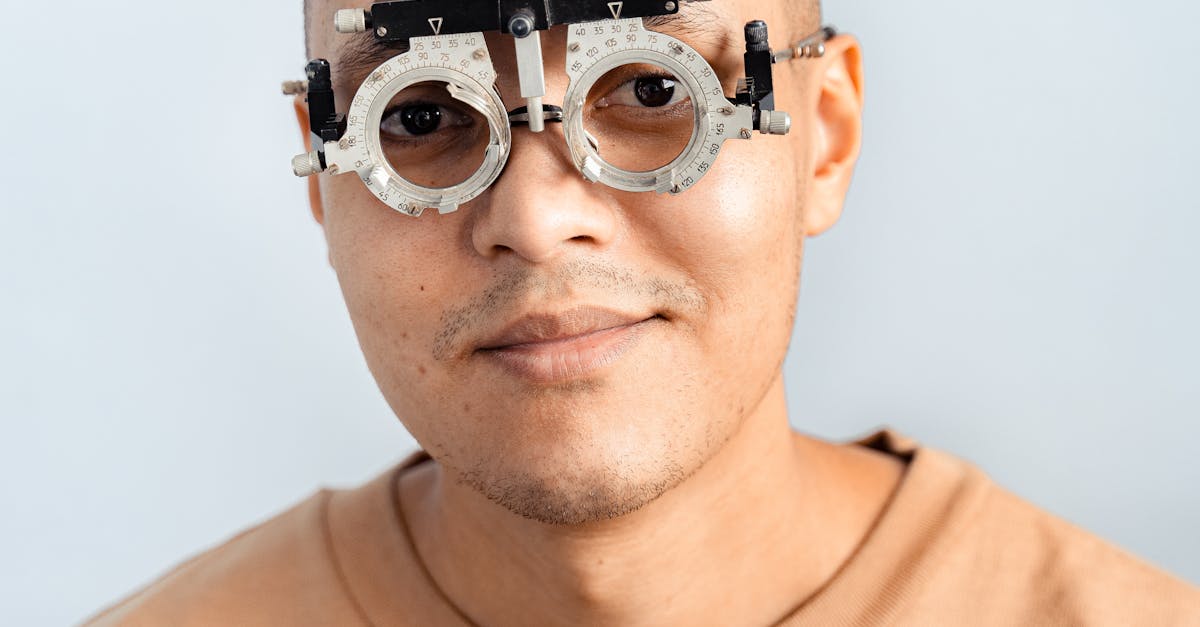
If you’ve recently had a visual field test in Glendale Heights and your results seem confusing, you’re not alone. Many patients are surprised by how complex the reports look. A visual field test is one of the most important ways eye care professionals detect early glaucoma, optic nerve disease, or neurological issues—sometimes before you notice any symptoms. At iDoctor, your local destination for precise eye exam technology and boutique optical care, we make sure you understand every aspect of your results so you can protect your vision long-term. Patients from Bloomingdale, Glen Ellyn, and nearby areas also visit our optometrist in Glendale Heights for personalized, detail-focused care using advanced diagnostics.
What Is a Visual Field Test?
A visual field test, sometimes called perimetry, measures how much you can see in every direction while focusing on a central point. This includes areas you see to the side (periphery) without moving your eyes. The goal is to map how sensitive your vision is across different points, helping to catch diseases that cause vision loss in areas you may not notice day to day.
At iDoctor in Glendale Heights, visual field testing is:
- Non-invasive — No drops or injections are needed.
- Quick — Usually 5-10 minutes per eye.
- Used for: Glaucoma detection, monitoring for macular degeneration, diabetic eye disease, neurological disorders, and medication side effects.
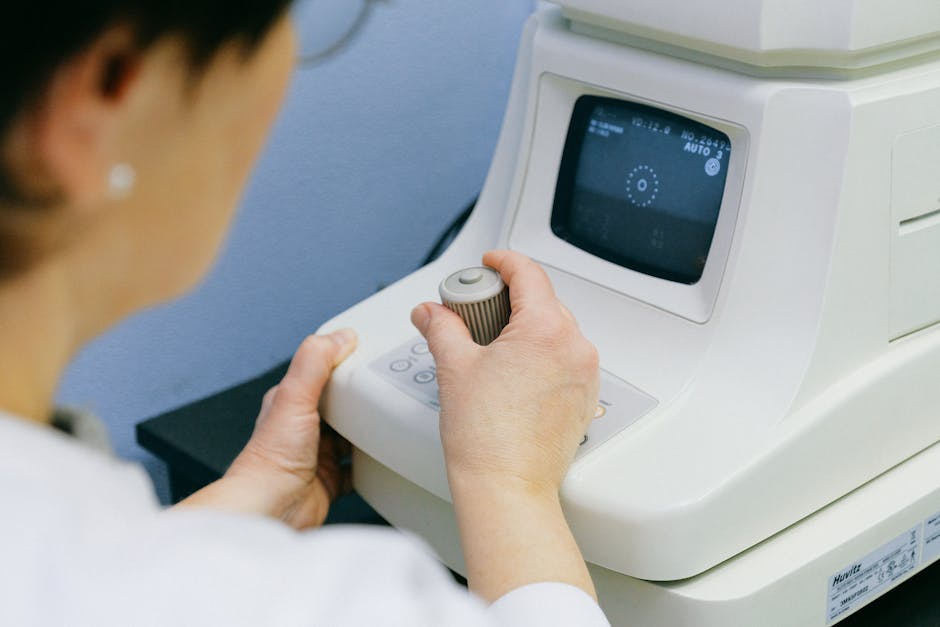
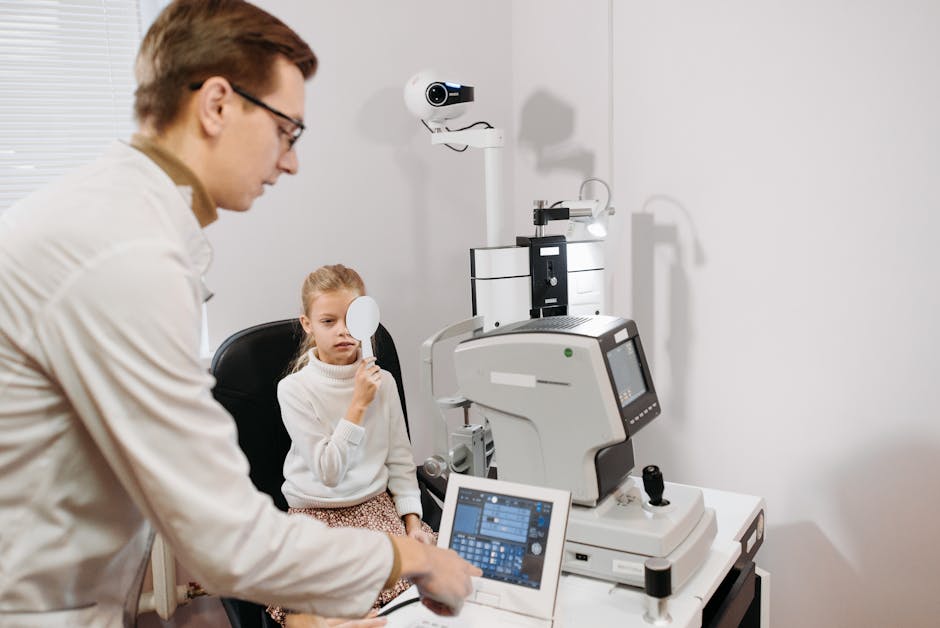
During the test, you’ll look straight ahead into a dome or on a screen, pressing a button whenever you see a small flash of light in your side vision. The test creates a map showing which areas of your vision are normal and which show reduced sensitivity.
Understanding Your Visual Field Test Results: A Step-by-Step Guide
Visual field printouts can be daunting at first glance. Here’s how to read them, step by step, as our iDoctor team does for every patient:
-
Check the Basics
- Make sure your name, date of birth, and which eye was tested (OD for right, OS for left) are correct.
- Review the test date to ensure you’re looking at the latest results.
-
Assess Test Reliability
- Look for low fixation losses (under 20%)
- Low false positives/negatives (each under 33%). High rates can make results misleading.
- At iDoctor, we guide patients during testing for optimal reliability. If reliability markers are high, we often repeat the test.
-
Review the Grayscale Map
- This shows sensitivity at every point—darker spots mean reduced vision.
- While easy to interpret at a glance, use it alongside quantitative data for a complete picture.
-
Interpret Key Indices
-
Mean Deviation (MD):
– Positive or near-zero means normal vision.
– Negative MD (like -4 or -10 dB) indicates overall vision loss compared to age-matched healthy eyes. The more negative, the more severe the loss. -
Pattern Standard Deviation (PSD):
– High PSD means irregular sensitivity, often seen in glaucoma. -
Visual Field Index (VFI):
– Expressed as a percentage (100% is perfect). Drops show progression. -
Glaucoma Hemifield Test (GHT):
– Flags if the pattern of loss matches what’s typical for glaucoma.
-
Mean Deviation (MD):
-
Look for Characteristic Patterns
- Arcuate defects, nasal steps, or altitudinal loss often flag glaucoma.
- General depression across the field may mean cataracts, media opacity, or generalized disease.
- Localized dark spots can indicate an optic nerve or brain issue.
Our optometrist, Dr. Saher Sayed, takes time to review each result with you in plain language, making sure you are fully informed about your eye health and next steps. This patient-centered approach is a reason patients throughout Carol Stream and Addison trust our care.
Local Benefits of Visual Field Testing in Glendale Heights
Early detection is critical—the longer glaucoma, diabetic retinopathy, or macular degeneration go unnoticed, the more vision is lost permanently. In Glendale Heights, our visual field exams catch subtle changes before they impact daily life. We value convenience and comfort, which is why we are located near Army Trail Road and Bloomingdale Road, just past Jewel-Osco, with an easy drive from Glen Ellyn and Wheaton.
- Immediate and same-day appointments are often available.
- We accept all major vision insurance: VSP, Eyemed, Cigna Vision, Humana, Superior Vision, Davis Vision, NVA, Spectera, UnitedHealthcare Vision.
- Experience matters: Our team uses advanced diagnostic tools including iCare tonometry and Optomap ultra-widefield retinal imaging for a full eye health assessment. Testing is overseen by Dr. Saher Sayed, recognized for both clinical skill and patient clarity.
- Designer optical selection: After your exam, explore our boutique for curated eyewear from Cartier, Prada, Gucci, Tom Ford, and more. We also provide custom lens measurements and lifetime frame adjustments.
- No insurance? Our $125 Value Package includes a stylish frame and premium lenses with anti-reflective coating—just ask at your visit.
For more on the technology behind our visual field tests, see our guide to advanced eye exam technology in Glendale Heights.
Frequently Asked Questions About Visual Field Tests
What does a visual field test check for in Glendale Heights?
It maps your side vision to catch diseases like glaucoma, macular degeneration, or optic nerve issues—often before you have symptoms. iDoctor uses non-invasive methods for a quick assessment, commonly included with your comprehensive eye exam.
How reliable are visual field test results?
A reliable test has fixation losses under 20% and false positives and negatives under 33%. If your results aren’t reliable, your provider may recommend retesting at iDoctor.
What do negative MD values mean on my visual field test?
Negative Mean Deviation (MD) means your test found vision loss compared to the average. The lower it is, the more significant. Our optometrist will explain the cause and if treatment or closer monitoring is needed.
How long does a visual field test take at iDoctor?
Typically, each eye takes 5–10 minutes. The test can be performed during annual exams—no dilation is usually required.
Does iDoctor accept my insurance for visual field testing?
Yes. We accept VSP, Eyemed, Cigna, Superior Vision, Humana, Davis Vision, NVA, Spectera, UnitedHealthcare Vision. Our staff will verify your benefits and explain coverage in advance.
What parking and location details should I know?
Our office at 132 E. Army Trail Rd. in Glendale Heights offers ample parking, and we’re easy to find just past Jewel-Osco, near Bloomingdale Road. We’re convenient to residents of Carol Stream, Wheaton, and Addison.
Can I book a visual field test on Saturdays or after work?
We have flexible weekday hours: Monday, Thursday, and Friday 9–5, Tuesday and Wednesday 10–3. If you need an urgent appointment, contact us—we strive to accommodate schedules when possible.
How to Book a Visual Field Test in Glendale Heights
Protecting your vision is easier than ever. To schedule a visual field test or a full exam:
- Call (630) 454-6899 (voice or text: 630-866-1229)
- Book online for convenience: Book your appointment
- Walk-ins may be available for urgent needs, but scheduling is recommended for minimal wait.
Please bring your current glasses or contacts, a list of any eye medications, and your insurance card to your visit.
Why Local Patients Choose iDoctor for Visual Field Testing
Our Glendale Heights location stands out because we combine advanced diagnostics with personalized service and fashion-forward eyewear. Patients from Bloomingdale, Addison, Lombard, and beyond value our:
- Expert team, led by Dr. Saher Sayed, O.D. (Illinois College of Optometry graduate and recognized for her patient-centered explanations)
- Boutique atmosphere with curated designer frames
- State-of-the-art technology: iCare tonometry, Optomap retinal imaging, custom digital lens measurements
- Immediate appointments and comprehensive insurance acceptance
- Lifetime lens cleaning and frame adjustments as part of your experience
If you’d like to dig deeper into eye pressure readings, read our related blog on understanding your eye pressure numbers in Glendale Heights.
Advanced diagnostics and clear communication are the foundation of our practice. If you are in Glendale Heights or the neighboring cities of Bloomingdale, Glen Ellyn, or Carol Stream, let iDoctor show you how smooth and professional boutique eye care can be.
If you have questions about your visual field test results or want to experience the most thorough eye care in the area, visit iDoctor in Glendale Heights. We’re committed to excellent care and outstanding style—where seeing clearly and looking your best always go together.