When winter arrives in Glendale Heights, most people focus on bundling up, but many forget about eye protection from harsh snow glare. The reality is, the winter sun reflecting off snow and ice can actually double your eyes’ exposure to UV rays—causing short-term pain and increasing long-term risks. At iDoctor, we see firsthand how easily this can affect everyday comfort and eye health for our community, including those commuting toward Carol Stream, Lombard, or Bloomingdale. We want you to understand why sunglasses are just as essential now as they are in July, especially with our local winter weather.
Learn more about our optometrist in Glendale Heights for advanced winter eye care and prescription sunglasses options.
Understanding Winter Sunglasses: Why Snow Glare Matters
What Makes Snow Glare Dangerous?
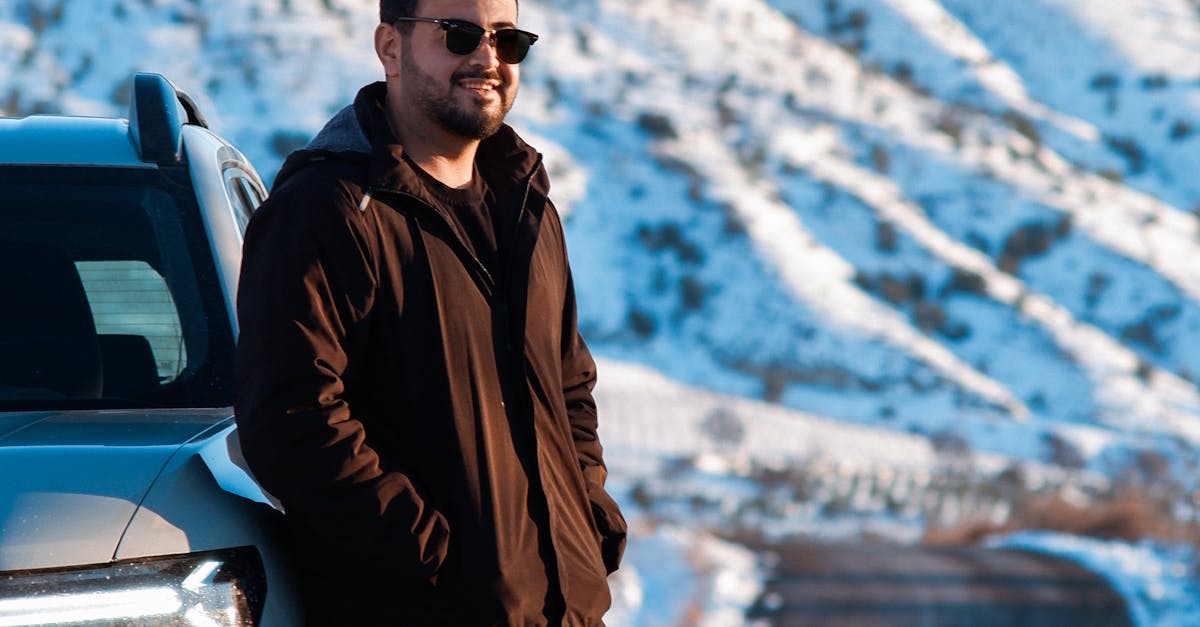
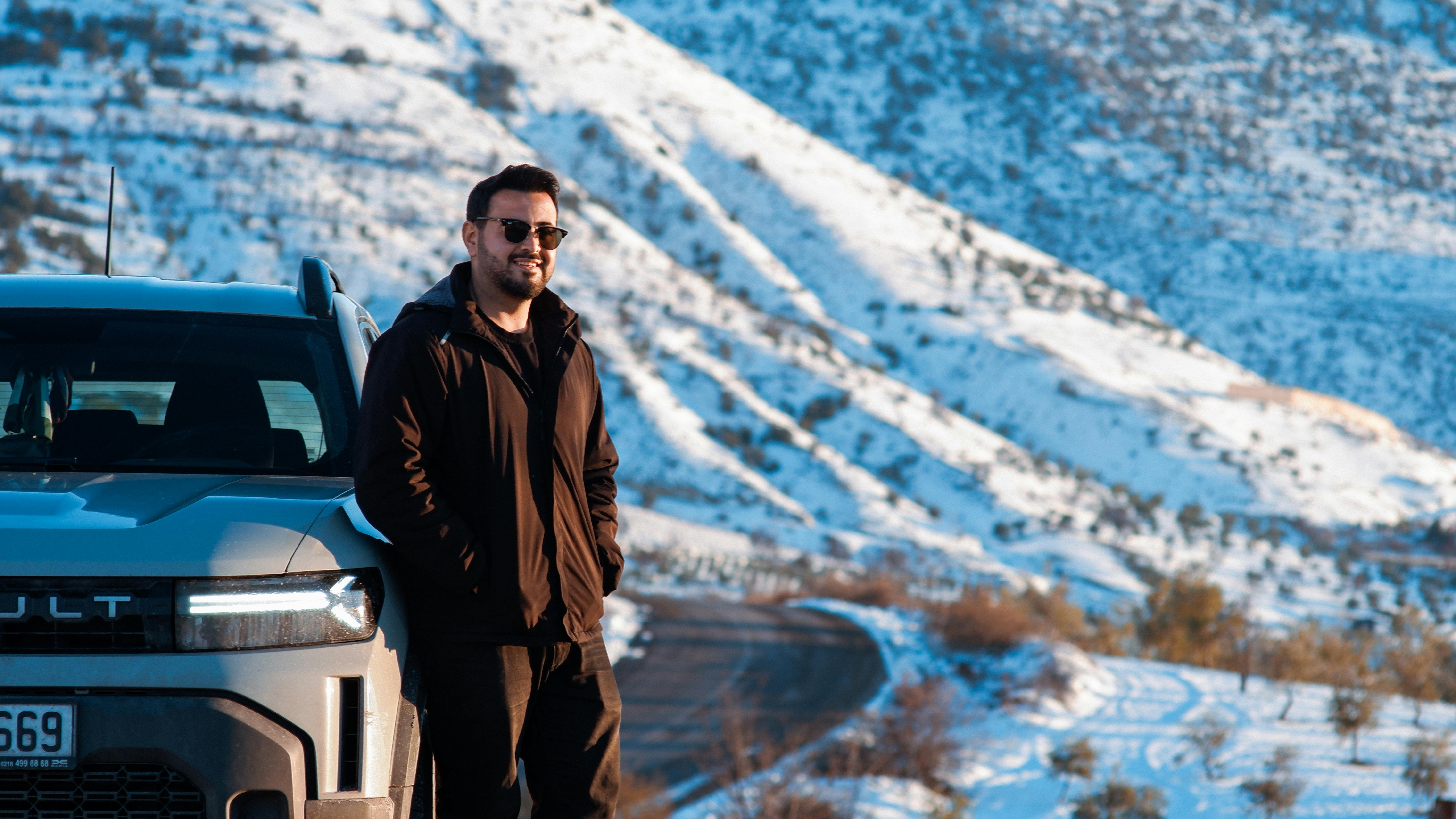
When sunlight hits fresh snow, nearly 80 percent of UV rays can reflect back up at your eyes. That is a huge contrast compared to bare ground. This means you are not just getting direct UV light from above—your eyes are ambushed by reflected rays from all directions, whether you’re shoveling the driveway, walking your dog in downtown Glendale Heights, or visiting nearby Glen Ellyn. Even on overcast or cold days, the UV remains strong enough to cause significant damage without proper protection.
- Direct and reflected UV increase risk of eye burn (photokeratitis/snow blindness)
- Sudden, intense glare from low winter sun makes daily driving and outdoor work harder
- Long-term UV exposure—even in winter—raises chances of cataracts and macular degeneration
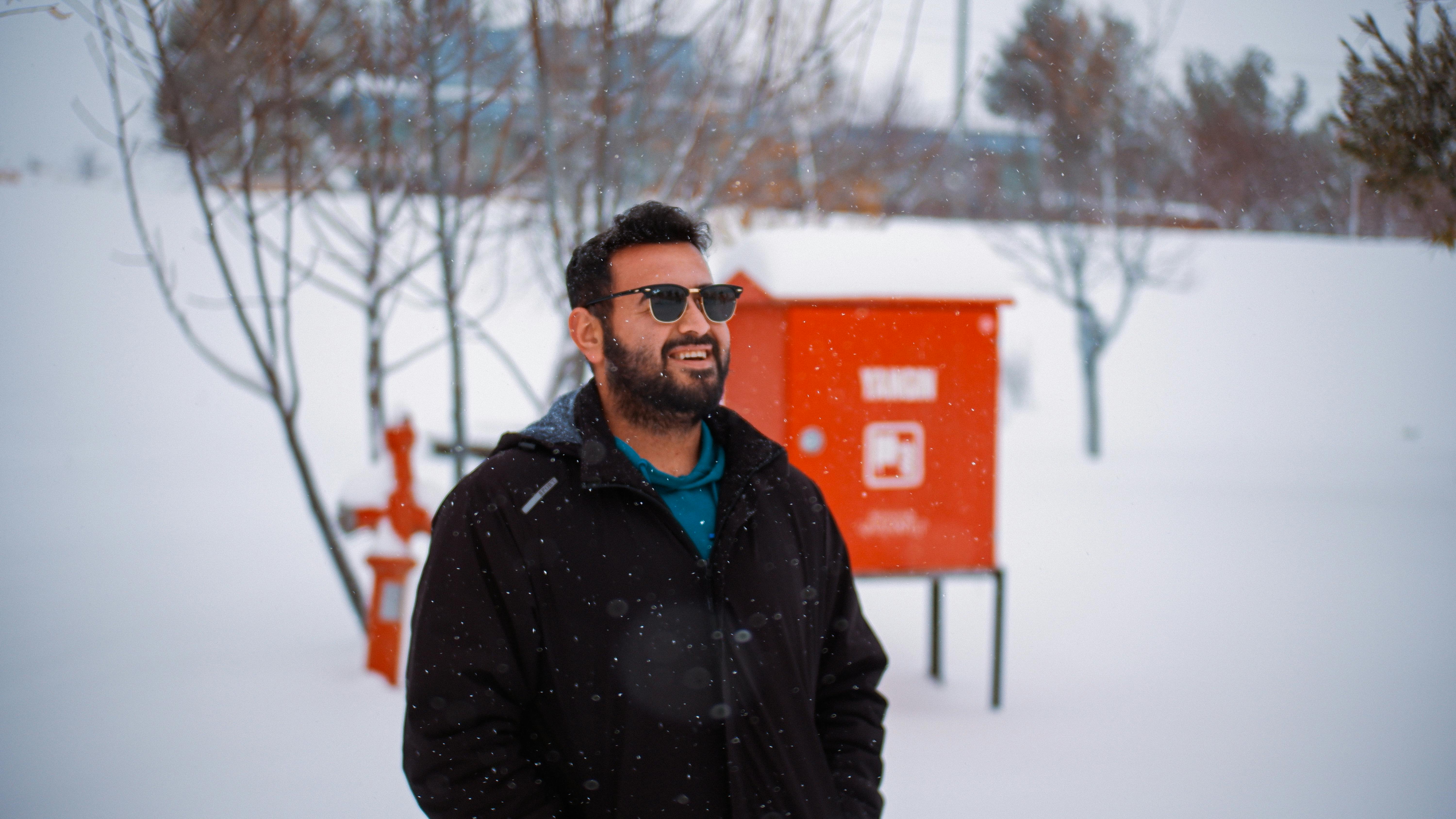
What Is Photokeratitis (aka Snow Blindness)?
Photokeratitis is sometimes called a sunburn of your cornea. It can be caused by direct sunlight, but winter conditions dramatically increase risk. Here’s what to look out for if you have spent time outside (especially in open, snow-covered spaces):
- Eye pain or burning sensation
- Feeling like sand or grit is trapped under your eyelids
- Red, watery eyes and swelling
- Blurred vision, strong light sensitivity
- Headache and trouble keeping your eyes open
- Symptoms often appear 6–12 hours later—sometimes you wake up in the night feeling it
While photokeratitis often heals within a day or two, severe pain or blurred vision requires quick attention. We provide urgent medical eye exams in Glendale Heights if you suspect snow blindness, with same or next-day availability even after major storms.
Does Winter UV Exposure Cause Lasting Problems?
Unfortunately, the answer is yes. Frequent, unprotected winter UV exposure can contribute to early cataracts, macular degeneration, and even growths on the eye’s surface. Because sunlight is lower on the horizon in winter, glare can be fierce on roads running east-west, including Army Trail Road and routes toward Addison or Wheaton.
The Real Benefits of Winter Sunglasses in Glendale Heights
Smoother, Safer Winter Driving
Sunglasses with the right lenses help you spot icy patches or potholes and reduce dangerous glare at dawn and dusk. At iDoctor, our digital phoropters ensure your prescription sunglasses are calibrated for maximum clarity behind the wheel—if you commute between Lombard and Carol Stream or take the kids to after-school activities in Glen Ellyn, you know how tricky winter roads can get.
Smart Protection for Winter Sports and Outdoor Work
If you are spending hours skiing, shoveling, or even enjoying a snowy walk through a Bloomingdale park, prescription and nonprescription sunglasses designed for winter are a game changer. Look for:
- 100 percent UVA and UVB protection
- Wraparound or close-fitting frames (reducing side glare and wind)
- Polarized lenses for cutting harsh reflections off ice and wet pavement
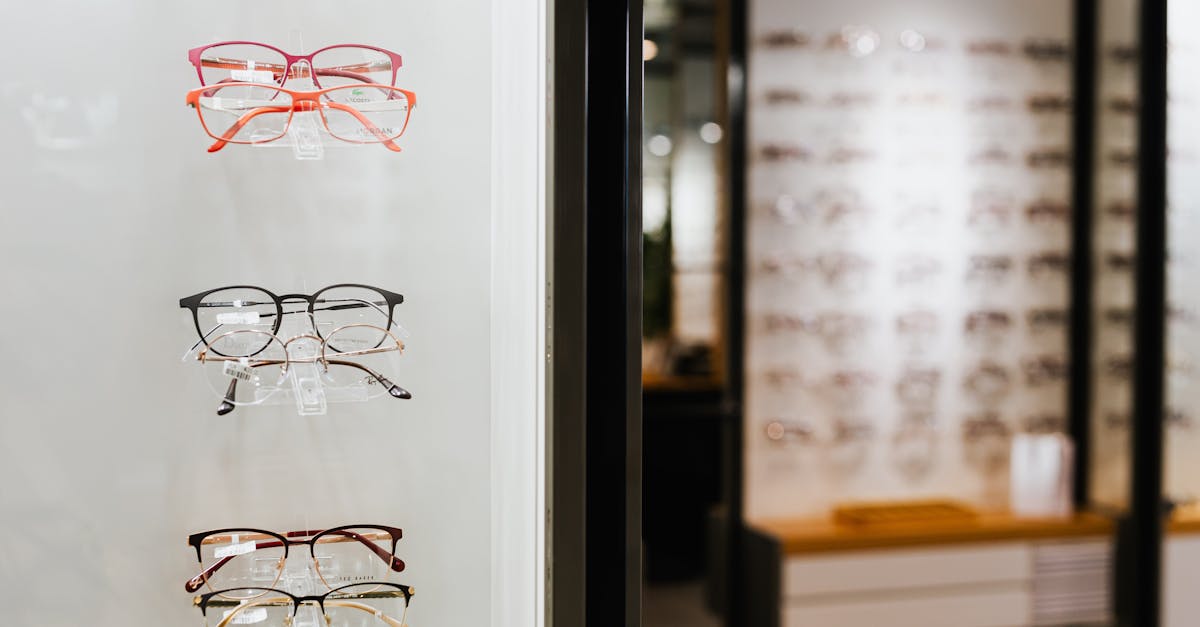
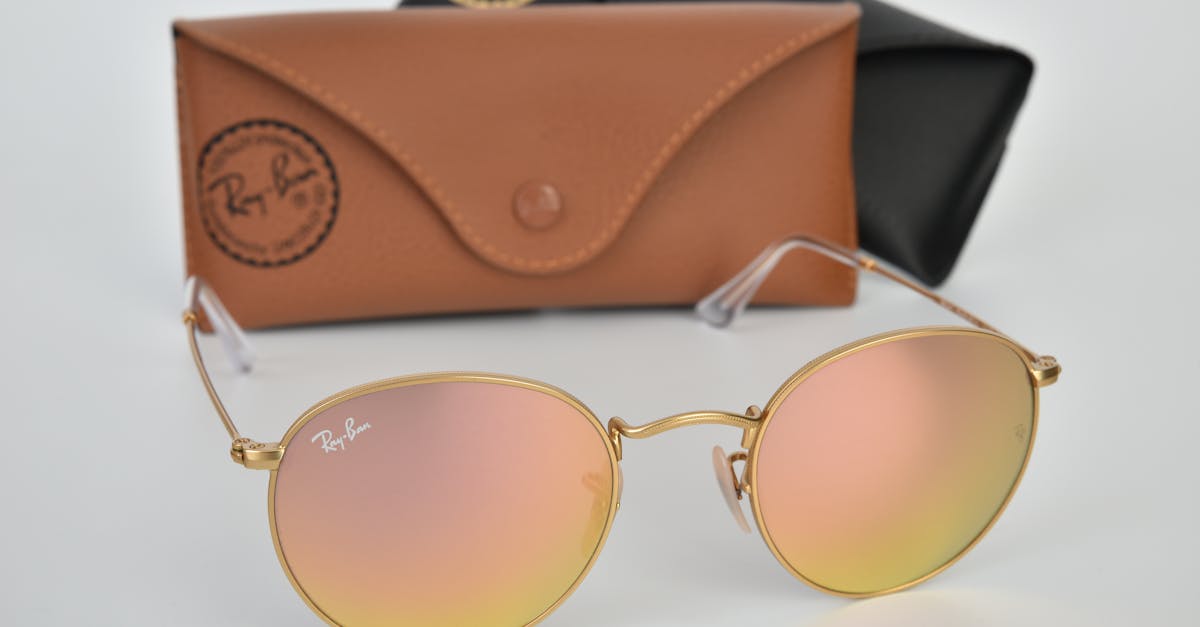
Our boutique optical in Glendale Heights offers precisely this, including options from Cartier, Tom Ford, Gucci, Prada, Oliver Peoples, Ray-Ban, and more.
Comfort During Dry, Windy Midwest Winters
Cold air and wind boost tear evaporation—a key reason so many patients visit us for winter dry eye issues. Sunglasses not only guard against UV, they cut wind, dust, and the grit that’s everywhere after a snowplow comes through. For strategies on dry eye, check out our Winter Dry Eye Survival Guide.
Personal Style, Professional Fit
Yes, sunglasses can be a fashion statement. At iDoctor, our Optikam technology and personalized fittings ensure even larger winter frames or ski goggles align with your prescription. We stock frames that look as good at brunch in Glen Ellyn as they do on a ski lift.
- Luxury and designer brands for adults and kids
- Custom measurements and fitting by certified opticians
Convenience, Insurance, and Quick Turnaround
We are located at 132 E. Army Trail Rd., in a plaza near Jewel Osco, making us easy to reach from Addison, Carol Stream, and Lombard. Parking is simple even after a snowstorm. Our team accepts all major vision insurances (VSP, Eyemed, Cigna, Humana, Superior Vision, Davis, NVA, Spectera, UnitedHealthcare), and we provide competitive pricing for uninsured patients. Most prescription sunglasses are ready within 7 to 14 business days—well ahead of your next weekend ski trip or family snow outing.
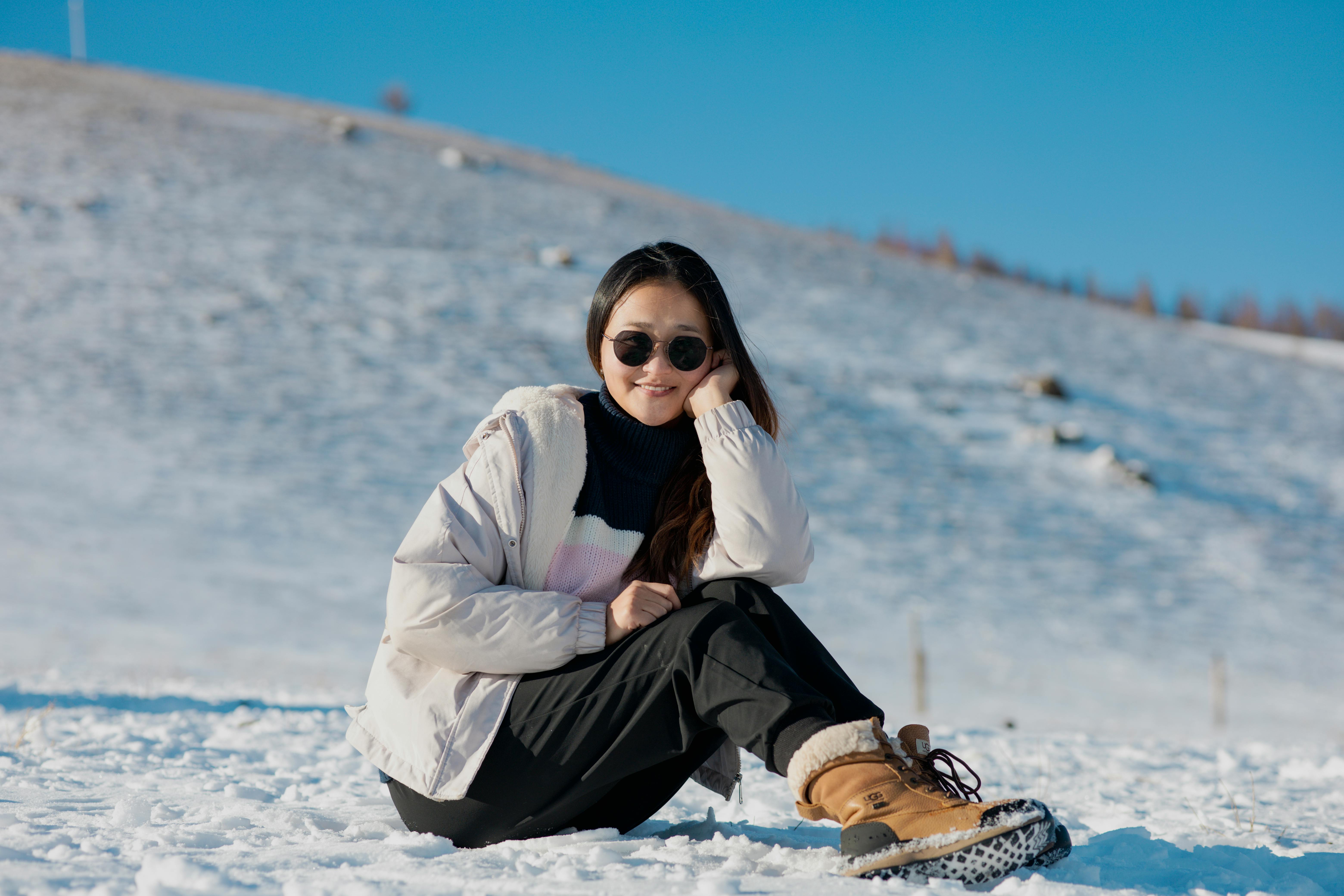
Choosing the Right Sunglasses for Winter in Glendale Heights
What to Look for in Winter Sunglasses
- UV Protection: Confirm 100 percent UVA and UVB coverage (look for UV400 specifications)
- Polarization: Especially for glare from snow, ice, and wet roads
- Tint Colors: Gray for true color, brown/copper for improving contrast, and amber for overcast or snow sports conditions
- Fit: Secure, close-to-face styles block more light and cold wind
- Prescription fit: Single vision, progressives (like Varilux XR), or high-index designs for thin, light lenses in bigger winter frames
- Photochromic lenses: Great if you move between indoors and out, but for heavy snow days, a dedicated sunglass pair is best
We guide you through these choices during your visit, focusing on exactly how you use your eyes in winter—whether that’s shoveling driveways, running errands through Bloomingdale, or family sledding in Glen Ellyn.
FAQs: Winter Sunglasses in Glendale Heights
How strong is winter sun in Glendale Heights compared to summer?
UV levels remain surprisingly high in winter, and fresh snow can reflect up to 80 percent of UV radiation. This means your total UV exposure can actually be higher on snowy days—making sunglasses crucial for outdoor protection.
Do I really need sunglasses if the sky is cloudy or overcast?
Yes. Snow continues to reflect UV rays toward your eyes, and clouds do not completely block UV. You can develop photokeratitis or eye strain even if the sun is hidden.
How long does snow blindness last and when should I see a doctor?
Most cases heal within 24–48 hours. However, if pain is severe or vision is blurred, see us at iDoctor right away for a medical eye exam—no need to wait or suffer.
Does iDoctor take my vision insurance for prescription sunglasses?
Yes. We work with all major insurances—VSP, Eyemed, Cigna, Humana, Superior Vision, Davis, NVA, Spectera, UnitedHealthcare. Most policies provide a prescription sunglass allowance, and we always confirm coverage for you.
Is parking easy at iDoctor in the winter?
Yes, our office in a plaza off Army Trail Road (near Jewel Osco) always has accessible parking, making winter appointments stress-free.
How long does it take to get prescription winter sunglasses?
We usually have them ready within 7–14 business days, depending on frame and lens customizations.
How to Book Your Winter Sunglass Visit at iDoctor
Booking a winter sunglass appointment is straightforward. At iDoctor, you’ll receive a detailed eye exam with high-resolution digital phoropters for an accurate prescription, Optomap widefield retinal imaging for UV safety checks, and gentle tonometry to screen for glaucoma. Then our ABO-certified opticians will walk you through frame and lens options tailored to your winter routines across Glendale Heights, Glen Ellyn, or wherever your winter takes you next.
- Flexible weekday hours: Monday, Tuesday, Wednesday, Thursday, Friday
- Same or next-day appointments often available
- Friendly help with all insurance questions (plus a $125 value package for uninsured patients)
Schedule Your Winter Sunglasses Visit Today
Call iDoctor at (630) 454-6899 or book your eye exam online for specialized winter sunglasses in Glendale Heights and expert, thoughtful care. We look forward to helping you see and feel your best this winter.
Want to learn more about eyewear style and fit? Check out our in-depth guide: Designer Eyewear in Glendale Heights: Try On Cartier, Oliver Peoples, Gucci, Prada, Tom Ford.
For ongoing tips and the latest in local eye care, visit our iDoctor website and subscribe to our blog updates. Wherever you live—be it Glendale Heights, Lombard, Addison, Wheaton, or Bloomingdale—we’re here to protect your vision in every season.