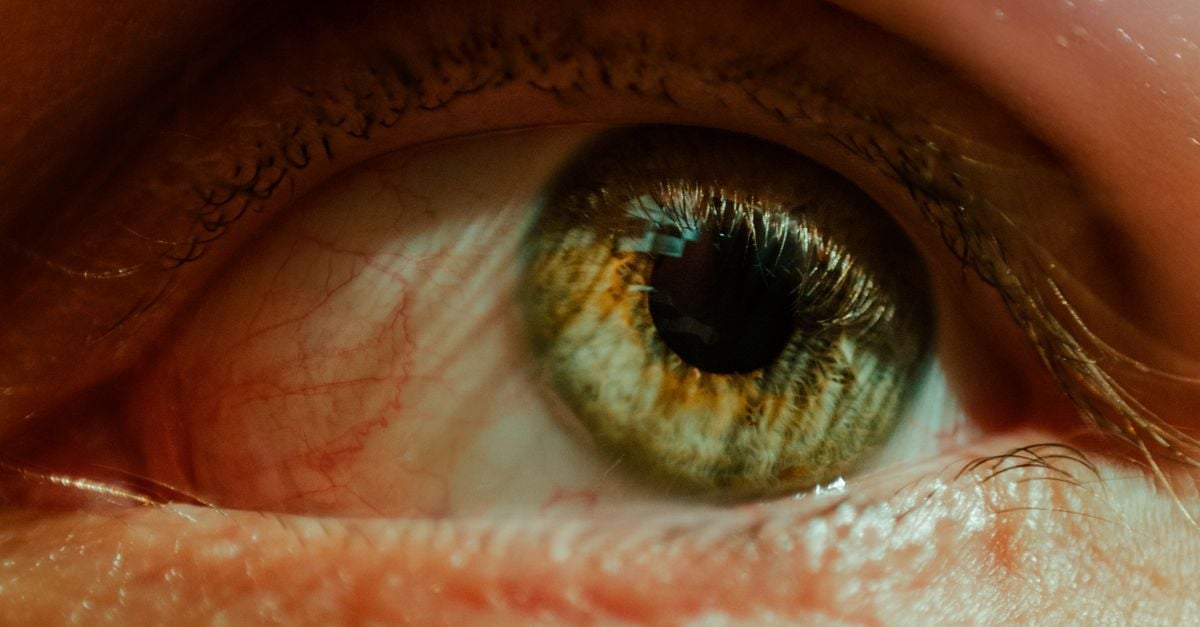
When it comes to safeguarding your vision, detailed retinal exams are essential. Yet patients in Glendale Heights often wonder: Does Optomap retinal imaging provide the same level of protection as traditional dilation, or could one method miss something? At iDoctor, our expert optometrists guide patients through the benefits and limitations of each option, ensuring nothing important is overlooked. If you live near Bloomingdale, Glen Ellyn, or Carol Stream, understanding these choices is vital for your ongoing eye health. For more on our standards of care, see our eye doctor in Glendale Heights page.
What Is Optomap Retinal Imaging and How Does It Compare to Dilation?
Optomap retinal imaging is a non-invasive scanning technology that captures an ultra-widefield, high-resolution image of your retina in less than half a second—usually without the need for dilating eye drops. At iDoctor, we use the Daytona Optomap, which visualizes up to 200 degrees of the retina (over 80%), making it a fast, comfortable option for most patients.
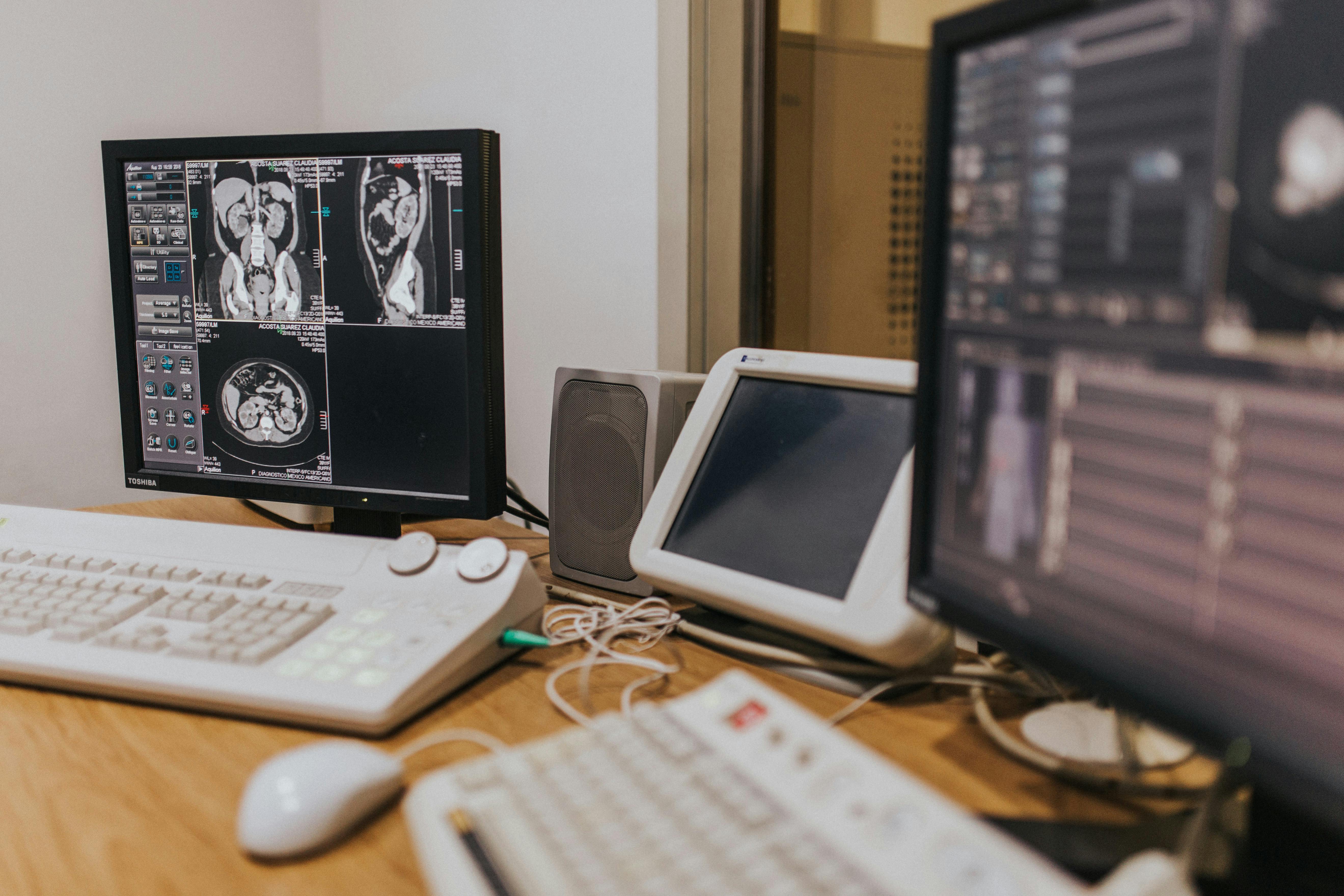
By contrast, traditional dilation involves special drops that widen the pupil, allowing your eye doctor to examine up to 240 degrees of the retina through direct visualization with lenses and lights. Dilation takes about 30–40 minutes to take effect and leaves you with blurry near vision and increased light sensitivity for several hours.
- Optomap Advantages: Comfortable, rapid, produces an image for future comparison, no drops needed, ideal for patients needing to drive or return to work.
- Dilation Advantages: Provides slightly wider view and depth of the far peripheral retina, which can catch very subtle tears or lesions at the extreme edge.
Neither option is universally superior—both play a critical role. At iDoctor, we tailor the approach to each patient’s risk factors and preferences. For routine exams, Optomap is often suitable on its own. For patients with diabetes, unexplained symptoms, or high risk (such as family history of retinal disease), both Optomap and dilation may be recommended for complete reassurance.
Local Benefits of Optomap and Dilation in Glendale Heights
Choosing the right exam in Glendale Heights is about more than just technology—it’s about convenience, safety, and the expertise of your eye care team. At iDoctor, our office is centrally located at 132 E. Army Trail Rd., across from Jewel-Osco and accessible from nearby communities like Addison, Wheaton, or Lombard.
Our practice uses the latest in eye care diagnostics: Daytona Optomap for ultra-widefield retinal imaging, iCare tonometer for gentle eye pressure checks, and digital phoropters for precision vision assessments. This means whether you live in Glendale Heights, Glen Ellyn, or are making the short drive from Carol Stream, you’re receiving comprehensive, advanced care close to home.

Patients especially value that Optomap at iDoctor requires no downtime—no dilated pupils, so you can drive or work right after your visit. For parents or professionals balancing busy schedules, this is a real advantage. Our team welcomes vision insurance from VSP, Eyemed, Cigna Vision, Humana, Superior Vision, Davis Vision, NVA, Spectera, and UnitedHealthcare Vision. Immediate and same-day appointments are frequently available.
“Dr. Sayed explained my exam with visuals, making everything clear. The thorough check gave me confidence.” – iDoctor patient
For those considering the scope of diagnostics, you may also want to learn more about advanced eye exam technology used in Glendale Heights—see our related blog.
Frequently Asked Questions
What is Optomap retinal imaging at iDoctor in Glendale Heights?
Optomap at iDoctor uses Daytona ultra-widefield imaging for a 200-degree, highly detailed retina scan in under 0.4 seconds. The process is painless and usually does not require dilating drops.
Does Optomap replace dilation for eye exams near Bloomingdale?
No. While Optomap covers the majority of the retina, traditional dilation can reveal rare peripheral lesions or tears at the outer 40-degree edge. At iDoctor, we may recommend both for full evaluation if you have risk factors or symptoms.
How much does Optomap cost in Glendale Heights, and is insurance accepted?
The Optomap retinal scan costs $39 as an add-on at iDoctor. We accept all major vision insurance including VSP, Eyemed, Cigna Vision, Humana, Superior Vision, Davis Vision, NVA, Spectera, and UnitedHealthcare Vision. Our team will verify benefits for you in advance.
Can I drive after an Optomap exam in Glendale Heights?
Yes. Since Optomap does not require dilation, your vision will not be blurry and there is no increased light sensitivity—safe for immediate driving after your visit.
How soon can I get an Optomap retinal scan near Carol Stream?
iDoctor typically offers same-day or next-day appointments. Call (630) 454-6899 or book online to secure your spot.
How to Book Your Appointment Today
- Call (630) 454-6899 or text our office for real-time availability. Bring your prescription glasses or contact lenses, a list of medications, and your insurance card.
- Schedule online any time at idoctoril.com/glendale-heights/book-eye-exam/ for fast, convenient booking.
- Visit us at 132 E. Army Trail Rd., Glendale Heights, IL 60139. Ample free parking is available right outside our boutique optical.
- Discuss your eye health with Dr. Sayed. She will help you determine whether Optomap, dilation, or both are best suited for your needs.
Ready for a Detailed Retinal Check?
(630) 454-6899 | Book Online | Walk-ins welcome at our Glendale Heights location
Best Practices for Retinal Exams in Glendale Heights
- Have routine retinal exams at least every one to two years, or as recommended for your age and health conditions.
- For diabetes, sudden vision changes, or family eye disease history, request both Optomap and dilation for full coverage.
- Save and compare your retinal images over years. At iDoctor, we archive all Optomap scans to track subtle changes over time.
- Ask questions before your appointment if you have specific concerns about driving or side effects.
- Remember: advanced diagnostics are important, but equally vital is an eye doctor who explains your eye health clearly and answers all your questions.
At iDoctor, we pride ourselves not only on the latest equipment but on making every visit informative and reassuring. You’ll find a carefully curated boutique optical, knowledgeable staff, and personalized care for all ages—whether you need a quick screening or in-depth medical exam.
For more details about our eye health services and our technology philosophy, see our blog on advanced eye exam technology in Glendale Heights.
Summary: Your Eyes Deserve Comprehensive Care
There is no one-size-fits-all answer to Optomap versus dilation. At iDoctor, our focus is on thoroughness and clarity. For most annual eye exams in Glendale Heights, Daytona Optomap retinal imaging offers safety, speed, and future image comparisons. In select cases, traditional dilation remains essential for a complete assessment. Rely on iDoctor for honest guidance and high-level care—near your favorite Glendale Heights landmarks, and just minutes from Bloomingdale, Glen Ellyn, Carol Stream, Wheaton, and Addison.
If you want expert guidance on how to best protect your vision, or want to experience boutique optical service with high-end frames, visit iDoctor or call (630) 454-6899 for your next eye exam. We’re ready to help you see clearly and comfortably—today and tomorrow.