
If you experience sudden flashing lights, blind spots, zigzag patterns, or a loss of vision—even if you suspect “just a migraine”—timing and symptom details matter. In Glendale Heights, knowing the difference between an ocular migraine and real retinal warning signs can protect your long-term vision. If you are unsure about your symptoms, a prompt visit to an optometrist in Glendale Heights can make the difference between reassurance and missing a treatable emergency. Our advanced diagnostics and high-resolution imaging help get you clear answers, whether you live near Army Trail and Bloomingdale Roads or commute from Carol Stream, Addison, or Glen Ellyn.
What this service is
An eye exam addressing migraines vs. retinal warning signs is more than a check of your prescription. It is a focused, high-detail health screening using advanced technology to differentiate between patterns that are common (and usually harmless) and vision loss that needs rapid attention. Ocular migraine (or migraine aura) often causes visual disturbances that affect both eyes, last 5–60 minutes, and resolve fully. In contrast, retinal warning signs can present as sudden vision loss, new floaters with flashes, or a curtain-like blackout—typically in one eye, and sometimes permanent if not treated quickly.
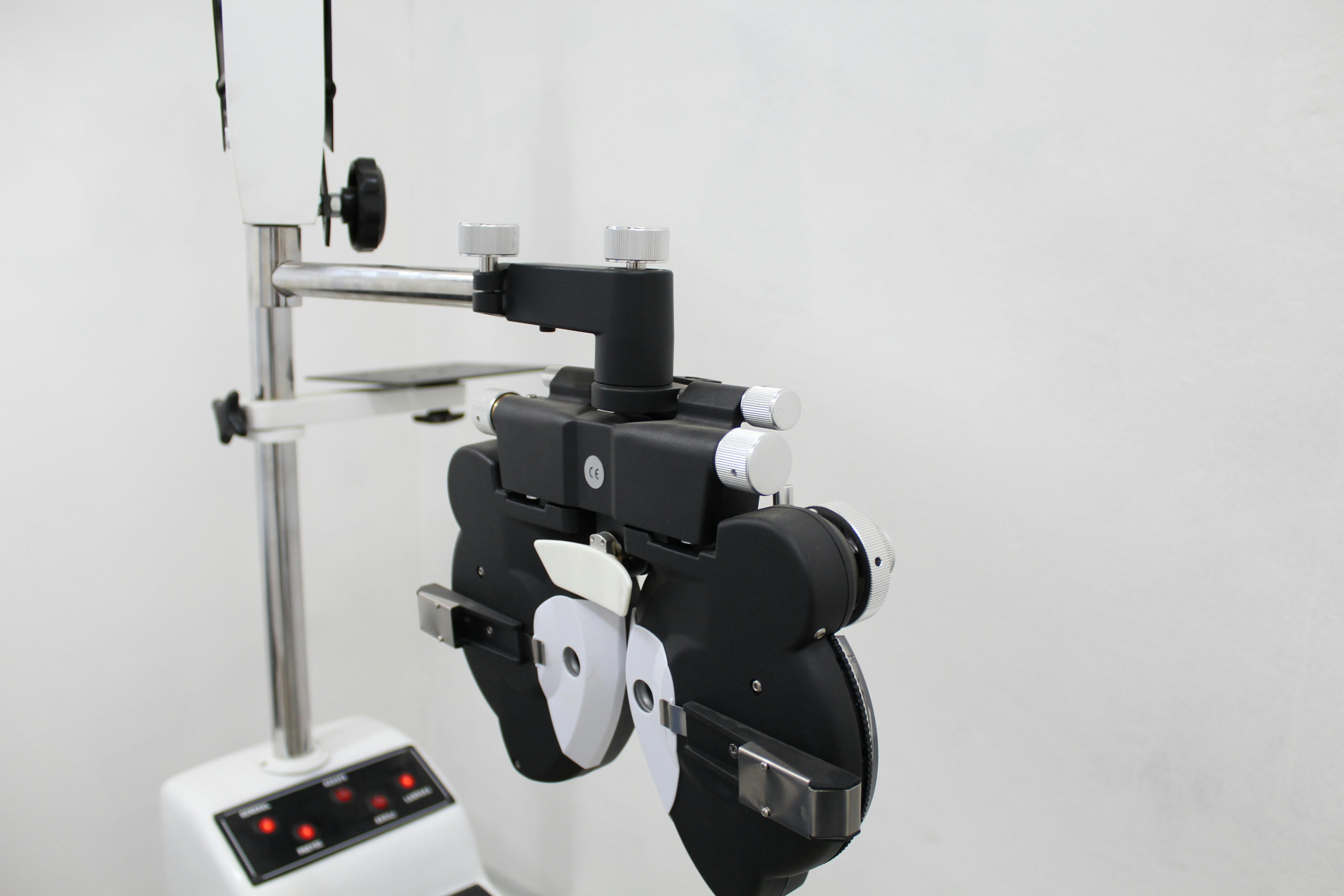
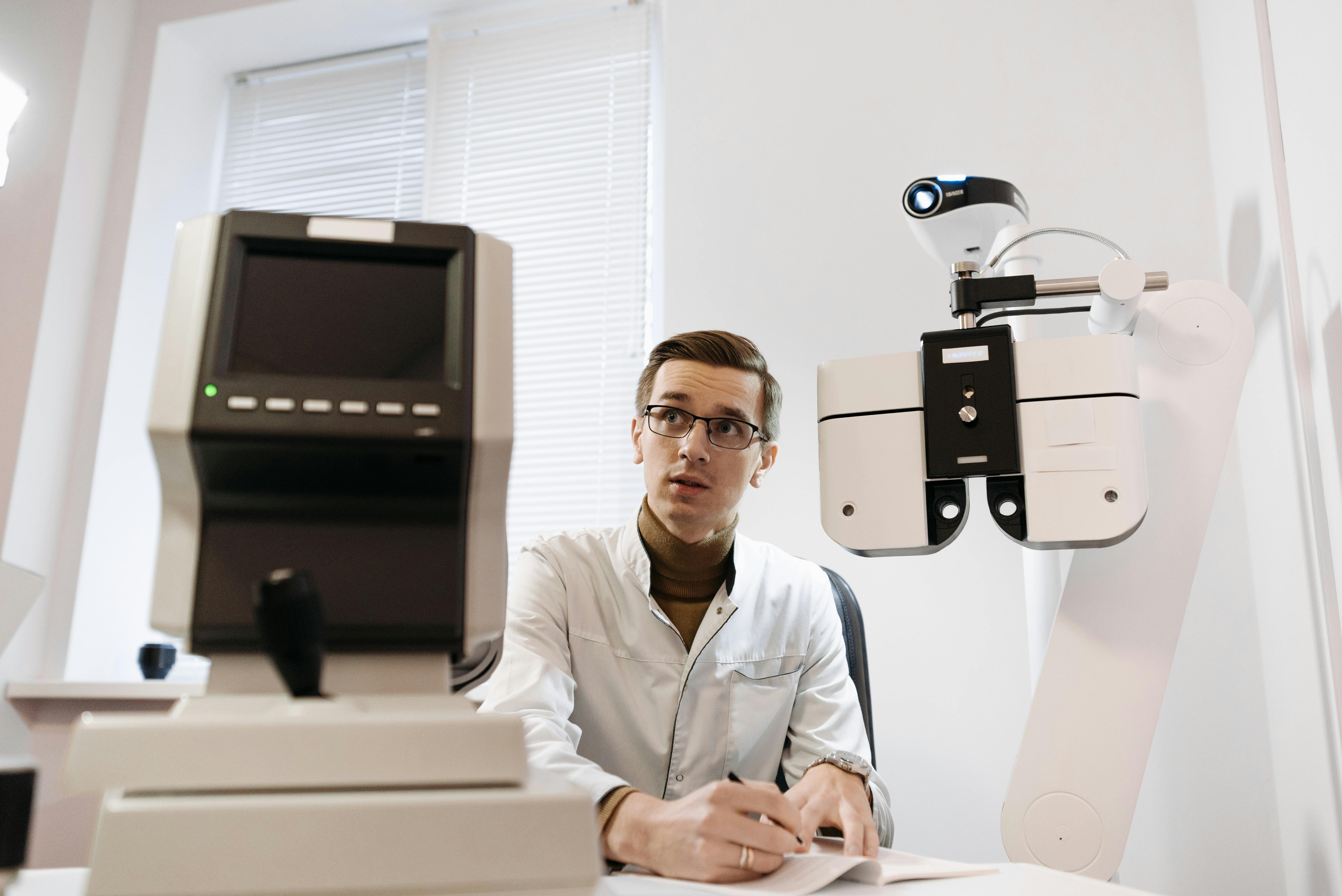
At iDoctor, we use digital phoropters, widefield retinal imaging, and gentle tonometry to get a fast, comprehensive view of the retina and eye health. This lets us distinguish between benign migraine, retinal issues, and rarer causes—something especially important for those over age 50 or with a new pattern of symptoms.
How clinicians distinguish between ocular migraine and urgent retinal signs
- Ocular migraine or migraine aura: Usually both eyes/field affected, symptoms like kaleidoscopic lights, zigzags, or shimmering areas that move and fade. Resolves within an hour. Headache may follow. No lasting vision impact.
- Retinal migraine: Rare, involves one eye only. Temporary vision loss or blind spots (5–60 minutes), usually in people with a migraine history.
- Retinal tear or detachment: Flashes in one eye, sudden floaters, “curtain” or shadow spreading across vision. Can cause permanent loss if not treated promptly.
- Vascular/stroke warning: Visual loss plus weakness, slurred speech, or confusion needs emergency care—even if vision comes back.
Our comprehensive assessment reviews which eye is affected, timing (less than five or more than sixty minutes is concerning), whether symptoms were accompanied by pain, and if any other neurologic signs were present.
Local benefits in Glendale Heights
- Immediate access: Our location at 132 E. Army Trail Rd. in Glendale Heights puts you minutes from Bloomingdale, Carol Stream, and Addison. Same- or next-day appointments are usually available.
- Cutting-edge diagnostics: Digital phoropters and widefield retinal imaging allow us to examine the retina efficiently, often without dilation, with clear images for you to see and understand.
- Insurance accepted: We accept VSP, Eyemed, Cigna Vision, Humana, Superior Vision, Davis Vision, NVA, Spectera, UnitedHealthcare Vision, and offer fast benefit checks and value options for the uninsured.
- Long-term vision care: Should your symptoms turn out to be migraine-related, we offer follow-up and ongoing vision monitoring—all with the same team.
- Boutique eyewear: If you need glasses, our curated selection includes Cartier, Oliver Peoples, Gucci, Tom Ford, and Prada, with digital measuring for a truly custom fit.
For more on our diagnostic approach, see Advanced Diagnostic Imaging in Optometry: What Patients See During a Modern Exam and how it relates to vision changes and migraine patterns.
FAQs
Is ocular migraine dangerous?
Ocular migraines usually resolve with no permanent damage. The visual disturbances linked to migraine aura are typically reversible. However, new, one-sided, or prolonged symptoms—especially if associated with vision loss or neurologic changes—should be checked immediately. When in doubt, err on the side of caution.
Which retinal symptoms require urgent attention?
Any of the following: sudden vision loss, a shadow or curtain falling over vision, new floaters with flashes, or vision changes that do not return fully to normal—especially in just one eye. If you notice these signs, contact iDoctor or seek emergency care.
How long do ocular migraine symptoms last?
Typical ocular migraine or aura lasts about 5–60 minutes before vision returns to normal. Shorter (under 5 minutes) or longer (over 60 minutes) symptoms can mean other eye or brain causes and warrant immediate evaluation.
Does iDoctor accept major insurances?
Yes. We accept VSP, Eyemed, Cigna Vision, Humana, Superior Vision, Davis Vision, NVA, Spectera, UnitedHealthcare Vision, and more. We make coverage checks fast and explain your benefits before your visit.
How long does it take to get glasses if I need a new prescription?
Turnaround depends on your frame, lens type, and coatings. For standard eyeglasses, the typical turnaround is 7–10 business days. Premium lens options or complex prescriptions may take a bit longer. We review all options during your visit and prioritize fast solutions when needed.
How to book today
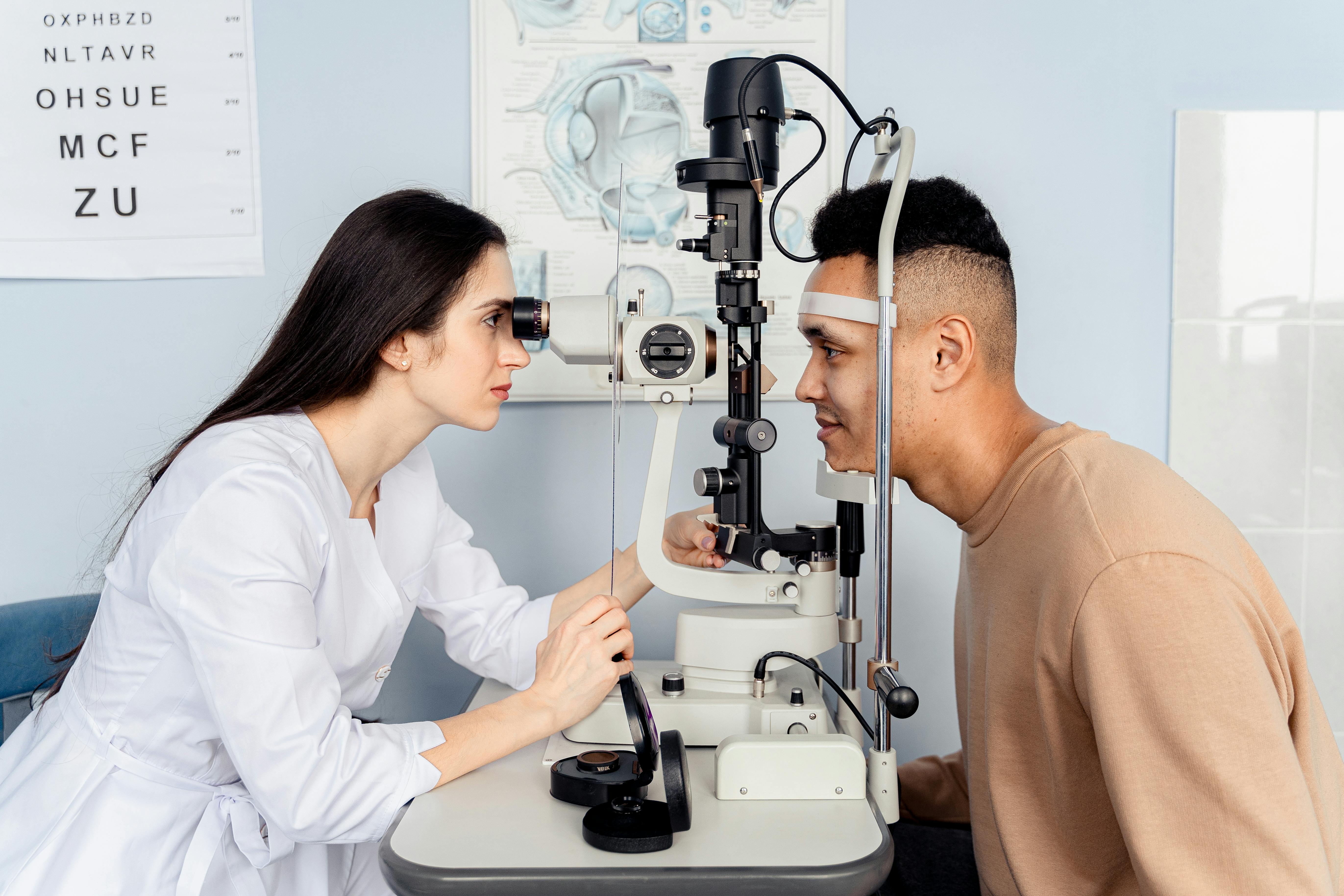
Patients from Bloomingdale, Carol Stream, Wheaton, Lombard, and Addison rely on us for urgent and routine eye care. For those with mild but recurring symptoms, even if you are not sure what is normal, scheduling an exam now can provide peace of mind with a clinical baseline for the future.
If you have vision changes and want more detail on what our advanced exams include, read up on Which eye exam in Glendale Heights uses retinal imaging, eye pressure checks, and digital prescription testing in one visit?
Summary and Next Steps
Your eyesight deserves quick answers. If you have flashing lights, visual auras, or sudden vision loss—especially if it is only in one eye or feels different than your usual migraine—get evaluated by qualified local professionals with advanced equipment. iDoctor in Glendale Heights is dedicated to fast, detail-oriented care, and boutique eyewear solutions if you need them.
Ready to book? Visit our online scheduling page or call (630) 454-6899 today. For more clear answers about your eyes, explore our blog for related conditions, insurance tips, and advanced lens technology options. Your vision, clarity, and peace of mind are our mission.