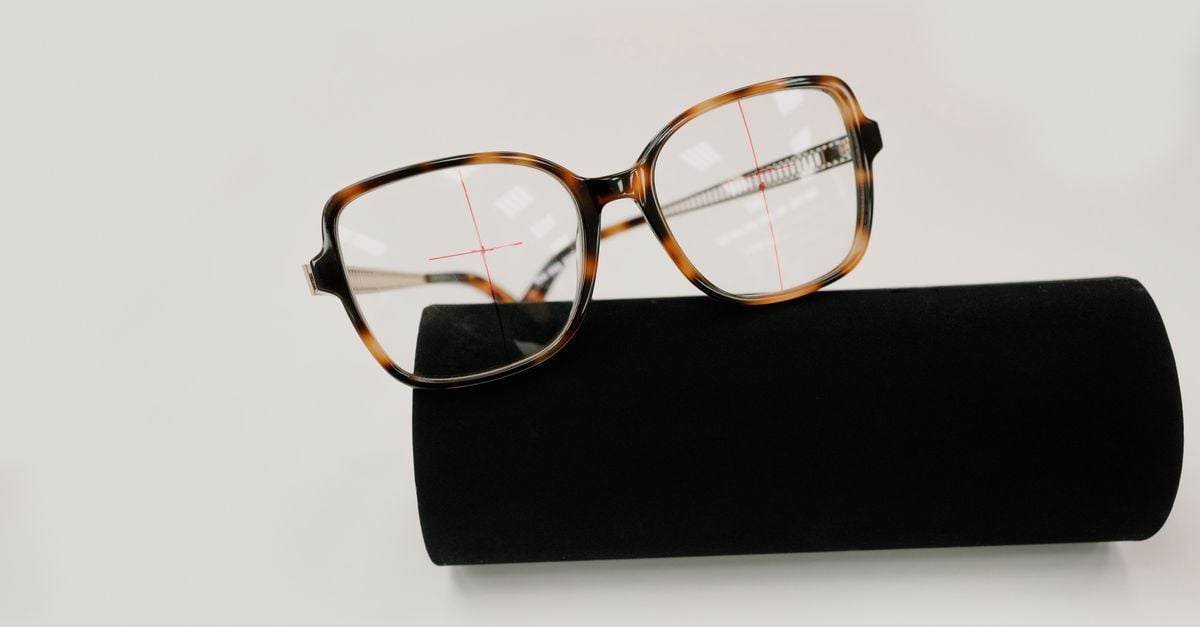
Struggling to find glasses that let you read, work on screens, and see clearly across the room without switching pairs? This is a common challenge for many adults in Glendale Heights, especially those experiencing changes in near and intermediate vision. At our boutique optical in Glendale Heights, we guide each patient through modern lens options—from traditional trifocals to premium, line-free progressives—so you get solutions tailored to your specific day-to-day needs. Whether you live nearby in Bloomingdale, Carol Stream, or commute from Addison, a clear explanation and personal approach make all the difference when choosing your next pair.
Call iDoctor at (630) 454-6899 or book a consultation online for step-by-step guidance from our expert team in Glendale Heights.
What Are Trifocal Glasses and How Do They Work?
Trifocal glasses are multifocal prescription lenses divided into three zones: distance, intermediate, and near. Each section is separated by a visible line—one for the intermediate segment and another for the near. Unlike progressives, which have a gradual change in power from top to bottom, trifocals provide distinct optical clarity in each zone with little to no transition blur.
- Distance zone (top): For driving, television, and looking across large rooms.
- Intermediate zone (middle): Perfect for desktops, dashboards, or conversations across a table.
- Near zone (bottom): For close-up tasks such as reading, using your phone, or handling small objects.

Trifocals are considered a traditional lens solution. While modern lens trends focus on line-free progressives, there are still strong clinical reasons why people in 2026 may find trifocal glasses to be the right answer—especially when function is valued above appearance.
Trifocals vs. Progressives: What’s the Difference?
| Feature | Trifocal Lenses | Progressive Lenses |
|---|---|---|
| Zones | Three fixed segments | Continuous, seamless range |
| Lines visible? | Yes, two lines | No |
| Clarity in each zone | Sharp and undistorted within each segment | Adaptable, but peripheral blur is possible |
| Adaptation period | Short—especially for previous bifocal/trifocal users | 1–2 weeks or more for new wearers |
| Cosmetic appeal | Traditional, with visible segment lines | Modern, looks like single vision lenses |
At iDoctor, our digital measurements allow us to show you exactly how each lens style (trifocal or progressive) will position on your face and function in your favorite frame.
Who Still Chooses Trifocal Glasses in Glendale Heights Today?
In our experience, these groups most often find trifocals superior for daily life:
- Longtime bifocal/trifocal wearers who enjoy the clear separation between zones and do not mind visible segment lines. For these patients, switching to progressives can feel disruptive and less intuitive.
- Patients with highly specific intermediate needs—such as those working for hours at a computer, performing detailed design work, or musicians who require more precise focus at set distances. Trifocals can be customized for intermediate clarity to suit unique workspaces.
- People with restricted neck or spinal movement (for example, from cervical arthritis or surgery). The wider, structured zones in trifocals let users move their eyes instead of their head for different tasks, reducing muscle strain and enhancing comfort.
- Individuals sensitive to lens distortion or peripheral blur. Despite the advances in progressive technology, some people continue to experience discomfort adapting to side “soft zones” in progressives. Trifocals avoid this by offering sharp, undistorted vision in each section.
- Patients who prioritize pure function over cosmetic style. Some people simply want clarity for each major task area—driving, desk work, reading—and are unconcerned with modern trends or hiding the lens lines.
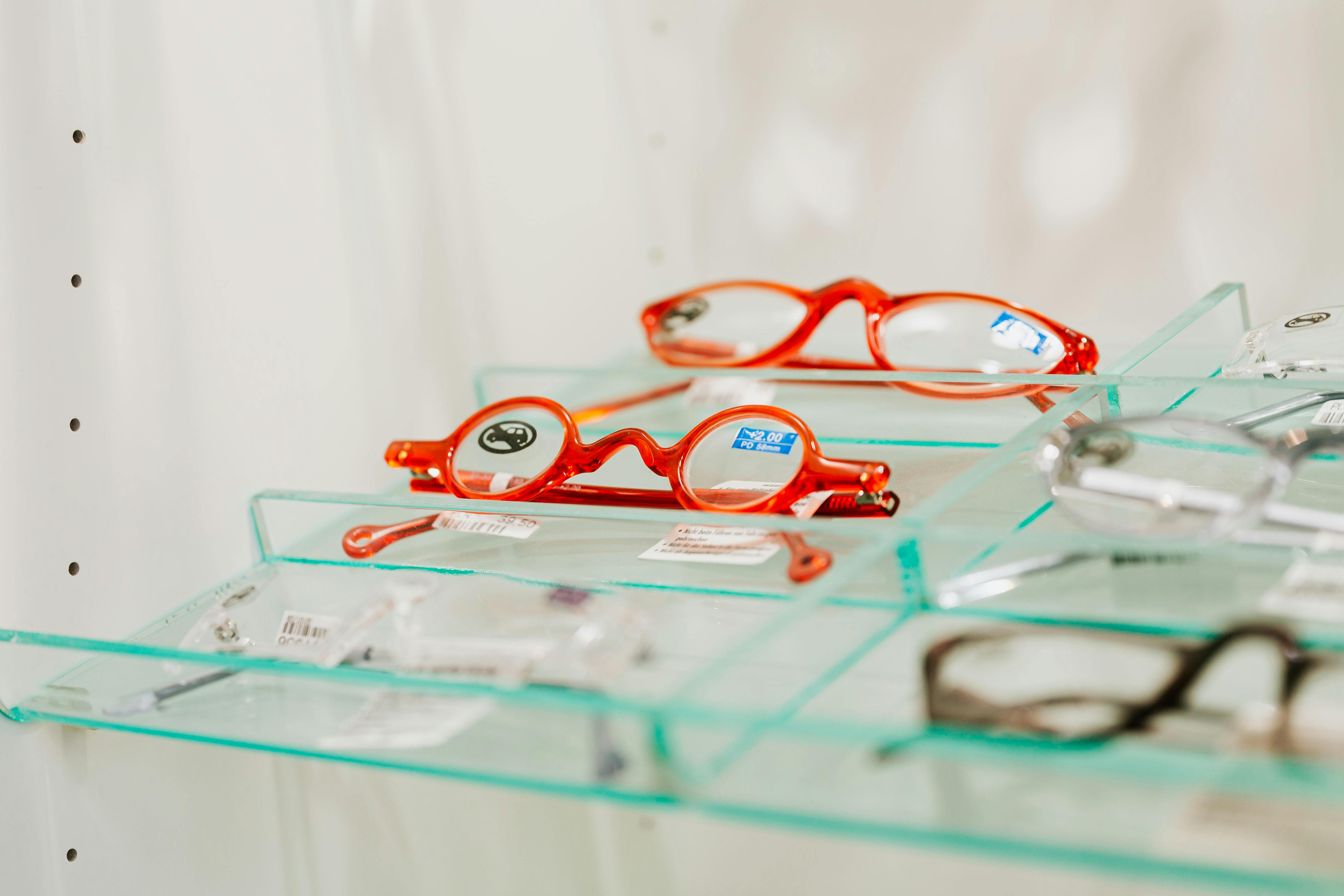
We work with many patients from Glen Ellyn, Wheaton, and Lombard who bring long histories of bifocal or trifocal use, finding comfort in familiar lens boundaries. For these patients, we focus on improving comfort, lens material, and frame fit—without forcing a switch to progressives unless it truly adds value.
Example from Our Local Practice
Recently, a patient from Bloomingdale who used progressives elsewhere found herself frustrated at a dual-monitor office job. She described having to “hunt” for the right viewing area throughout her workday. After a thorough lens fit evaluation in our Glendale Heights location and a conversation about her ergonomic limitations, we recommended custom trifocals. Within the week, she reported significantly reduced neck strain, stable vision on both monitors, and improved productivity—while still enjoying her fashion-forward progressive pair for errands and evenings.
Local Benefits: Why Choose iDoctor in Glendale Heights for Trifocals or Progressives?
At iDoctor—minutes from Army Trail and Bloomingdale Road and easily accessible from Addison, Carol Stream, and Wheaton—we combine boutique optical style with true clinical expertise and personalized lens technology. Here is what sets us apart when you are choosing multifocal glasses:
- Advanced digital measurements (Optikam) ensure precise frame and lens alignment, vital for multifocal success.
- State-of-the-art diagnostic technology: digital phoropters for prescription accuracy, high-resolution retinal imaging, and visual field/eye pressure checks for early disease detection.
- Premium multifocal selection: Choose from top-tier progressive lenses (Varilux XR, Comfort Max, Comfort DRx) and custom trifocal designs, along with advanced coatings (Crizal Rock, Easy Pro) and blue light filters for screen comfort.
- Boutique designer frames: Frame styles from Cartier, Oliver Peoples, Gucci, Tom Ford, and more—sized and adjusted to keep your lenses functional and fashion-forward.
- Insurance flexibility: We accept VSP, Eyemed, Cigna Vision, Humana, Superior Vision, Davis Vision, NVA, Spectera, and UnitedHealthcare Vision.
- Immediate or same-week appointments for eye exams—call ahead or book online for the next available slot.
- $125 Value Package for uninsured patients—frame, premium lenses, and anti-reflective coating included. Great for backup pairs or those needing an extra reading or driving pair.

– iDoctor patient
Patients often share that our team’s patient, step-by-step approach and use of advanced measurement tools helps them feel confident in their lens decision. This combination of fashion, technology, and focused care is why iDoctor is regularly chosen as the trusted optometrist near Glendale Heights for personalized multifocal guidance.
FAQs About Trifocal Glasses in Glendale Heights
Are trifocal glasses still a good choice in 2026?
Yes. Trifocals remain a strong option for patients who want defined zones, have fixed work distances, or have not adapted well to progressives. Your iDoctor exam and lifestyle review can determine if they fit your needs best.
Can I get trifocal lenses in modern, stylish frames?
Absolutely. Trifocal lenses can go into the latest trendy frames, including oversized, clear acetate, or geometric shapes. Our designers from Gucci, Cartier, Tom Ford, and more can be paired with multifocal lenses for a seamless blend of function and style.
How long do glasses take from iDoctor?
Most custom lenses (trifocal or progressive) are ready within 7–14 days, depending on prescription and coatings. We always provide realistic timelines during your fitting.
Does iDoctor accept my insurance for trifocal or progressive lenses?
We accept most major vision plans, including VSP, Eyemed, Cigna Vision, Humana, Superior Vision, Davis Vision, NVA, Spectera, and UnitedHealthcare Vision. We verify coverage and explain your benefits before you order.
Is there convenient parking at iDoctor?
Yes, we are located at 132 E. Army Trail Rd. with ample plaza parking, close to the entry and neighboring Jewel-Osco. Many patients combine appointments with errands in nearby Bloomingdale or Carol Stream.
How to Book Your Trifocal or Progressive Lens Consultation Today
- Schedule a visit: Call (630) 454-6899 or book your eye exam online—fast, secure, and mobile-friendly.
- Bring your current glasses: Include any old bifocals or progressives, plus contact lenses if used, and a medication list for a comprehensive review.
- Enjoy a detailed exam: Digital refraction, advanced imaging, and expert consultation to match your life and workspace.
- Personalize your solution: Our team listens to your daily needs—whether reading, computer, or driving—and helps you find the best multifocal lens and frame match.
- Choose your frame and upgrades: Our stylists guide you to the best fit from luxury brands, with options for blue light protection, anti-glare, and transitions.
Call iDoctor in Glendale Heights at (630) 454-6899 or book your eye exam online to discover which lens design best fits your lifestyle today.