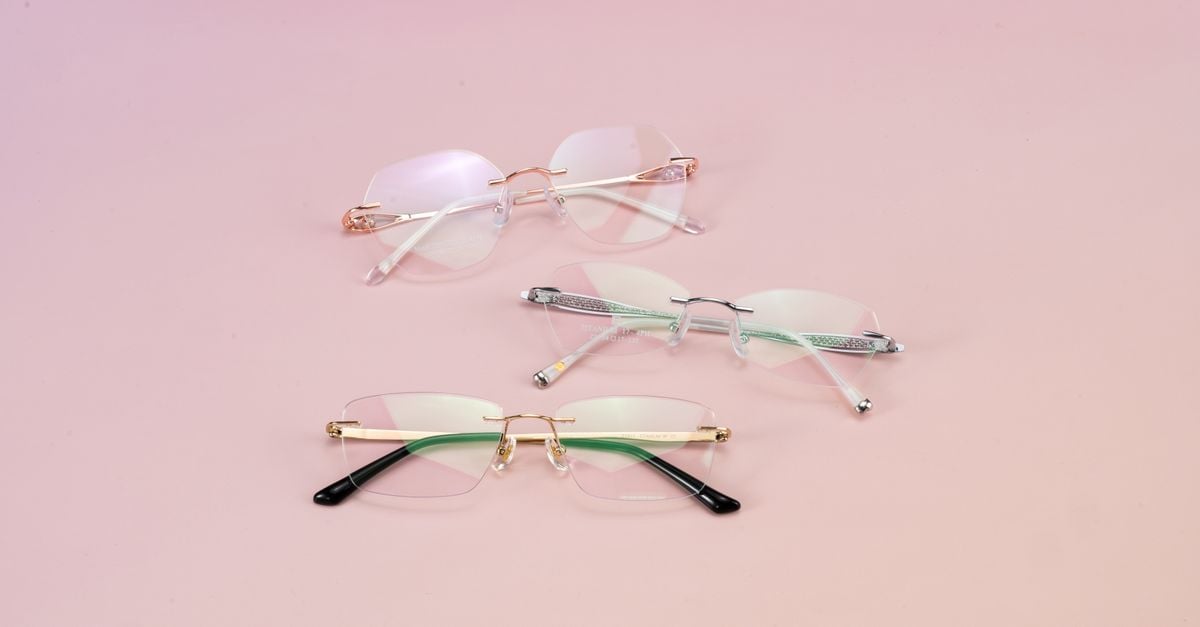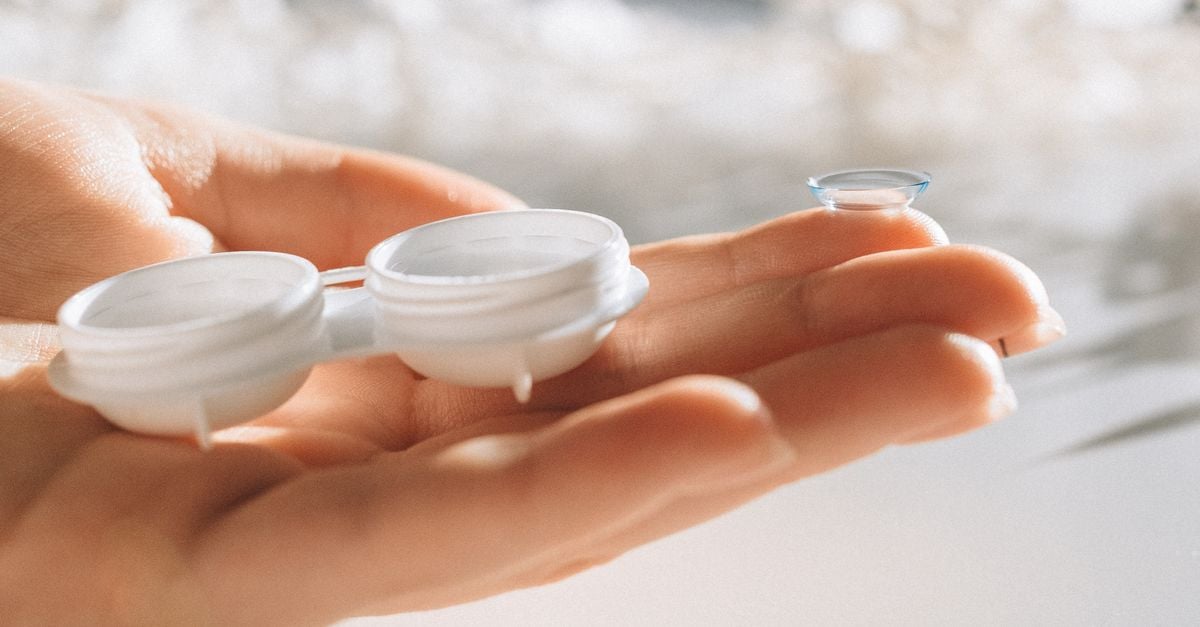
If you have struggled to find comfortable, clear contact lenses in Glendale Heights, you are not alone. Many patients arrive frustrated by dryness, lens irritation, or difficulty wearing standard contacts all day. The good news is that advanced specialty lenses—specifically hybrid and scleral designs—now make it possible to address even complex comfort and vision needs. At iDoctor, we guide patients through these modern options with the help of advanced diagnostics, expert fitting, and local insight. Whether you live in Glendale Heights, Bloomingdale, or Glen Ellyn, our practice can help you understand which lens could deliver lasting comfort and crisp vision in your daily routine. Visit our contact lenses in Glendale Heights page to learn more about available options.
What Are Hybrid and Scleral Contact Lenses?
Specialty lenses are changing how eye doctors solve contact lens comfort and vision problems—especially for people who have sensitivities or prescriptions that have not been served well by soft or standard rigid lenses.
- Hybrid contact lenses combine a rigid, oxygen-permeable center with a soft silicone hydrogel skirt. The rigid core delivers sharp vision, while the soft skirt improves initial comfort and reduces the “edge sensation” common with traditional gas permeable lenses. Hybrid designs are well suited to patients who want the optical clarity of a hard lens but dislike their feel.
- Scleral contact lenses are large-diameter, rigid gas permeable lenses designed to vault entirely over the cornea. Sclerals rest on the white part of the eye (the sclera), leaving a gap above the entire cornea. This zone holds a fluid reservoir, which can be particularly soothing for dry or irregular corneas, and offers both protection and a consistent optical surface even in challenging eyes.

Key Structural Differences
- Hybrid Lenses: Rigid center, soft outer skirt; smaller diameter; interacts directly with the cornea.
- Scleral Lenses: Rigid throughout but much larger; completely vaults and avoids touching the corneal surface.
For both lens types, professional fitting and customized parameters are essential, making it necessary to work with an expert eye doctor in Glendale Heights familiar with advanced lens technologies and personalized fittings.
Comfort Comparison: Hybrid vs Scleral Lenses
Comfort is the most common dividing line between hybrid and scleral contacts, but the experience can vary significantly depending on corneal shape, dryness level, and individual anatomy.
- Hybrid lenses tend to minimize the “.edge awareness” of standard GP contacts and can feel much softer. Many patients adapt within a few days and report stable comfort throughout the day.
- Scleral lenses provide a unique comfort advantage for patients with corneal irregularity or dry eye. Because the lens does not touch the cornea, mechanical irritation is reduced, and a stable fluid reservoir soothes the eye surface. Scleral designs typically require more learning for insertion, but once acclimated, many patients experience all-day comfort and protection.
| Feature | Hybrid lenses | Scleral lenses |
|---|---|---|
| Comfort mechanism | Soft skirt cushions edge | Lens vaults cornea, provides tear reservoir |
| Corneal contact | Rests directly on cornea | No direct contact |
| Who benefits most | Those seeking sharp optics and moderate dryness/irregularity | Patients with dry eye, sensitivity, or advanced corneal conditions |
| Learning curve | Short for most | Moderate (insertion/removal skills improve with training) |
Corneal Coverage and Eye Health Impact
Hybrid and scleral lenses diverge sharply on how much of the eye’s front surface they cover and protect. This difference is critical in certain medical or comfort scenarios.
- Hybrid contacts primarily cover the central cornea and move with each blink. They do not shield the entire cornea, so they allow more exposure of the ocular surface to the air and tear film.
- Scleral lenses vault the entire cornea, providing broad, stable protection against dryness, irritation, or mechanical trauma. Their tear reservoir can also promote healing in compromised eyes. This makes them a top choice for advanced corneal disease, severe dry eye, or post-surgical corneal irregularity. If you want more about specific corneal conditions, see our in-depth explainer on scleral lenses for keratoconus.

Local Benefits of Specialty Contact Lens Care in Glendale Heights
Access to advanced lens fitting is essential for comfort and safety. At iDoctor, we deliver:
- Comprehensive digital measurements: Our contact lens exams combine corneal mapping, Optikam lens fitting, and digital prescription tests for a precise match. The process includes trial lens assessment, hands-on insertion/removal training, and follow-up care to fine-tune comfort.
- Boutique expertise: Unlike large chains, we tailor each fit to the individual’s daily habits, medicine list, and even digital device use. Being just past Jewel-Osco on Army Trail Road means easy access for busy families and commuters in the Glendale Heights area, as well as nearby cities like Addison and Wheaton.
- Insurance flexibility: iDoctor accepts major vision plans (VSP, EyeMed, Cigna, Humana, UnitedHealthcare Vision, Superior Vision, Davis Vision, NVA, Spectera), making advanced contact lens examinations affordable for many.
- Immediate care: We offer same-week appointments, including for patients referred after issues at other clinics.
Patient praise: “The eye exam was incredibly thorough, and the explanations helped me understand my lens options.” – iDoctor patient from Bloomingdale

When to Consider Hybrid or Scleral Lenses
- Hybrid lenses: Best if you want clearer optics than soft lenses and have moderate dry eye or routine prescriptions that resist soft contacts. The design gives improved comfort compared to traditional RGPs.
- Scleral lenses: Choose this option if you have severe dryness, significant corneal irregularity, ocular surface disease, or simply cannot tolerate any lens resting directly on your cornea. Their wide coverage and fluid environment help even in the most complex ocular cases.
- Uncertain? Some eyes qualify for a successful trial of both designs. Our doctors at iDoctor will explain the risks, adaptation timelines, and expected benefits in detail before you commit to any single approach.
FAQs
Are hybrid lenses more comfortable than scleral lenses?
Not always. Hybrid designs usually feel gentler than standard rigid corneal lenses due to their soft skirt, but scleral lenses may offer superior comfort for those with dry eye, corneal scarring, or sensitivity, since they float above the cornea in a protected fluid layer. The most comfortable lens is the one best matched to your eye’s shape and condition.
Which lens gives more corneal coverage?
Scleral lenses. They vault completely over the cornea and rest on the sclera. Hybrid lenses only cover the corneal zone with a smaller rigid center and soft edge, so they are not a substitute if full coverage is required for ocular surface healing or protection.
How long does it take for specialty lenses to feel comfortable?
Most patients adapt to hybrids within a few days, while scleral lenses may have a slightly longer learning curve due to their size and insertion technique. At iDoctor, staff will guide you step by step through handling, cleaning, and wear-time adjustments. Follow-up visits ensure issues are fixed quickly.
Can I wear hybrid or scleral lenses all day?
With a proper fit and routine assessment, both lens types are designed for full-day wear. Your optometrist will recommend a build-up schedule and advise on care routines to maximize comfort and eye health.
What should I bring to a specialty contact lens appointment?
Bring your current eyeglasses and contact lenses if you wear them, a medication list, your vision insurance card, and note any symptoms you want to discuss—especially dryness, redness, cloudiness, or prescription blur.
How long do contact lens or eyeglass orders take at iDoctor?
Standard lenses may be ready quickly, while custom hybrid or scleral lenses take more time for fabrication and fitting. We make turnaround clear up front after your exam so you can plan with confidence.
Where can I find more info about scleral lens fittings?
Explore our detailed guide on scleral lenses for keratoconus to learn how these lenses are fit, who they benefit, and what to expect at your evaluation in Glendale Heights.
How to Book Your Specialty Contact Lens Exam Today
If you are ready to discover whether hybrid or scleral contact lenses are right for you, start with a detailed exam at iDoctor. Our optometrists provide advanced diagnostics, listen to your priorities, and recommend the exact lens fit for your unique needs and eye health. We also advise on maximizing your vision insurance at every step and offer immediate and next-day availability when possible.
- Call: (630) 454-6899
- Visit: 132 E. Army Trail Rd., Glendale Heights, IL—just past Jewel-Osco, minutes from Bloomingdale, Addison, and Wheaton.
- Online: Schedule your appointment at the iDoctor website anytime.
See related reading: For more on lens fitting technology and comfort solutions, read our guide on contact lens comfort troubleshooting in Glendale Heights.