Many women in Glendale Heights notice burning, gritty, or tired eyes by afternoon, especially when working on screens for long hours. For many, the root causes overlap—hormonal changes, prolonged screen use, and underlying dry eye. Fortunately, targeted eye care can bring relief and improve daily comfort. At iDoctor, we offer personalized solutions built on advanced diagnostics, modern eyewear, and an understanding of the unique needs women face in this region.
Women from Glendale Heights, as well as neighboring communities like Bloomingdale and Carol Stream, often juggle demanding professional and family lives. We see firsthand how factors like hormonal shifts and increased screen time impact eye health here. As your local boutique optical, we help women stay comfortable and confident with expert care, transparent advice, and highly reviewed service. If you need an optometrist in Glendale Heights, we’re ready to help.
What Is Women’s Eye Health? Understanding Dry Eye, Hormones, and Screen Time
Dry Eye Disease: Why It’s More Common in Women
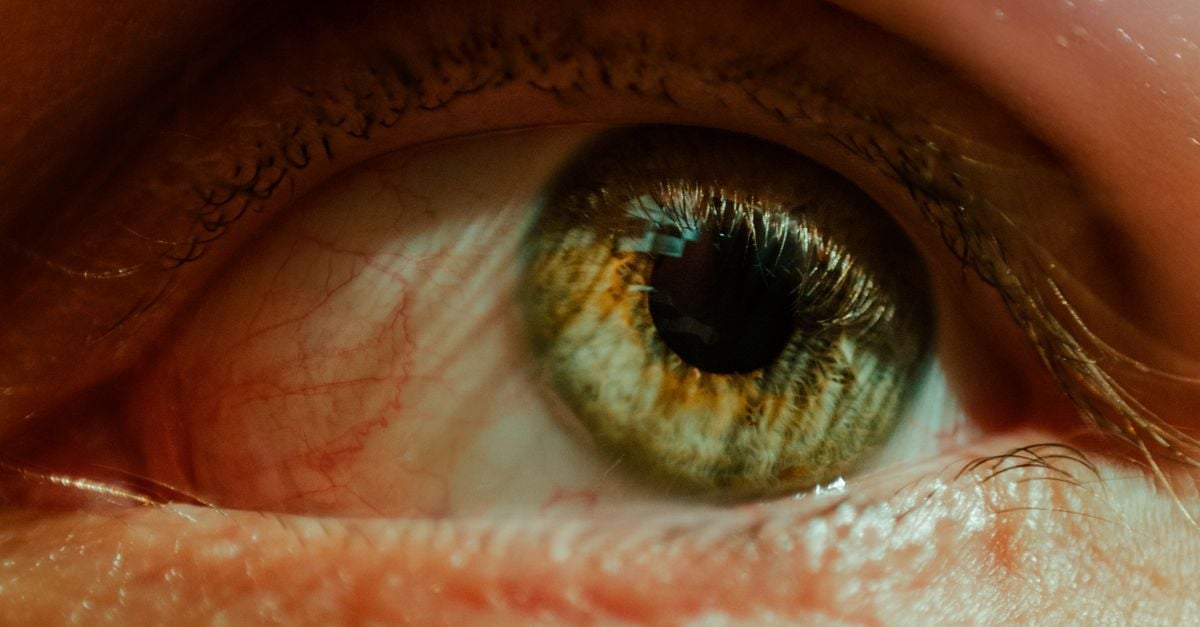
Dry eye results from either inadequate tear production or rapid tear evaporation. This leaves the eye’s surface exposed, triggering symptoms like burning, redness, blurred vision, or sensitivity to light. Women—especially after 40—are at higher risk for dry eye compared to men, due to hormonal fluctuations and longer life expectancy.
- Common signs reported at iDoctor: dryness, burning or gritty sensations, blurred vision after screen use, sore or red eyelids, and worsening contact lens comfort later in the day.
- Women may also notice makeup feeling uncomfortable on the eyelids or eyes struggling to stay open by evening.
How Hormones Affect Women’s Eyes
Hormones like estrogen and progesterone influence tear quantity, corneal stability, and even eye pressure. Shifts linked to menstrual cycles, pregnancy, menopause, or hormonal birth control can directly impact eye comfort and clarity.
- Menstrual Cycles: Temporary blur or dryness often occurs around a period.
- Pregnancy: Normal changes can cause dry eyes or shifts in prescription. Sudden or significant vision changes during pregnancy should always be checked promptly.
- Birth Control: Pills or patches may worsen dry eye for some women.
- Perimenopause/Menopause: Lower estrogen/progesterone is strongly linked with chronic dry eye and higher risk for glaucoma or macular degeneration.
Because declining estrogen after 40 can both lower tear production and increase eye pressure, regular comprehensive eye exams become increasingly critical for women in this stage of life.
Screen Time: A Daily Multiplier of Dry Eye Symptoms
Digital device use is now a leading contributor to dry eye symptoms. Focusing on screens reduces blink rate dramatically, causing tears to evaporate faster and leaving the eye’s surface unprotected. Women who spend more than 4 hours a day on screens—common for work in Glendale Heights, Glen Ellyn, and Wheaton—are especially vulnerable, particularly when combined with hormonal shifts.
- Air conditioning, low humidity in offices, long hours in contacts, and dehydration are all classic triggers—often encountered together in modern suburban routines.

Why iDoctor Is the Preferred Choice for Women’s Eye Health in Glendale Heights
Advanced Diagnostics and Boutique Expertise
At iDoctor in Glendale Heights, we go beyond routine vision checks. Our approach emphasizes:
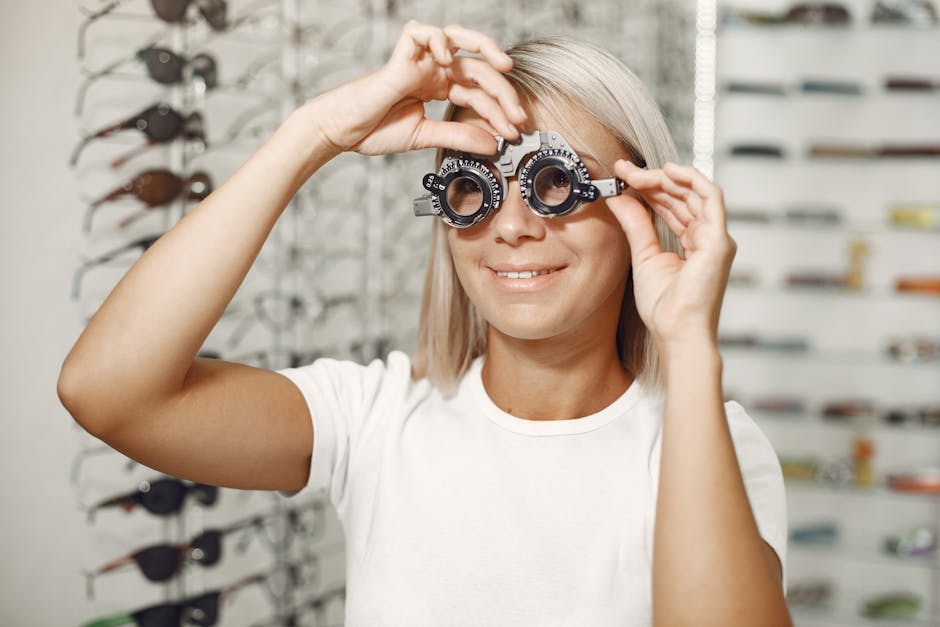
- Detailed eye exams using advanced digital phoropters for exact prescriptions, especially helpful when hormonal changes cause prescription shifts (learn more).
- Retinal imaging with Optos Daytona, often without dilation, to detect subtle changes related to diabetic eye disease, macular degeneration or glaucoma early (retinal imaging).
- Gentle eye pressure checks with iCare tonometer (no air puff), crucial for women at higher risk of high eye pressure and glaucoma (tonometer).
- Visual field testing to assess peripheral vision as needed (read about visual fields).
- Expert fittings for frames and contact lenses—using digital measurements with Optikam for custom comfort (Optikam details).
Patients consistently remark, through reviews, that this level of attention finally explains why their prescription or comfort changes throughout the day—and helps them find eyewear that works at the computer and looks great.
“My exam was incredibly thorough, and for the first time, I clearly understood why my eyes felt so tired at work.” — iDoctor patient
Tailored Solutions for Long-Term Relief
- Personalized dry eye plans: Artificial tears, prescription drops, lid hygiene, and in-office tips for screen ergonomics, humidification, hydration, and diet.
- Modern digital comfort lenses: Eyezen lenses for frequent device users, Varilux XR progressives for multitasking women.
- Premium lens coatings: Crizal Rock and blue light filters ease screen strain and glare, helping with day-to-night comfort (see lens options).
- Designer eyewear: Cartier, Oliver Peoples, Gucci, Prada, Tom Ford, YSL, and more, all fitted for comfort and style in our boutique optical in Glendale Heights.
- Contact lens solutions: Daily, toric, and multifocal lenses from brands like Acuvue, Biofinity, and DAILIES for improved all-day comfort (see contact lens options).
Convenience, Insurance, and Local Proof Points
- Location: 132 E. Army Trail Rd., just past Jewel-Osco near Army Trail and Bloomingdale Roads, minutes from Lombard and Addison.
- Easy parking and access for patients from Glen Ellyn, Carol Stream, and Wheaton.
- All major vision insurances accepted—including VSP, Eyemed, Cigna, Humana, Superior Vision, Davis Vision, NVA, Spectera, UnitedHealthcare (see details).
- Same-day and next-day appointments often available for urgent concerns or dry eye flares (book here).
Experience and Equipment Highlights:
- Doctorate of Optometry, specialized in modern lens technology and women’s eye care
- Widefield retinal imaging, digital phoropters and advanced custom measurements
Best Practices: Managing Hormones, Screen Time, and Dry Eye as a Woman

- Follow the 20-20-20 rule: Every 20 minutes, look 20 feet away for 20 seconds to give eyes regular breaks.
- Set realistic daily limits: If device use often exceeds 4 hours, be conscious about adding non-screen tasks and using reminder apps for breaks.
- Support healthy tears: Use preservative-free artificial tears twice daily (or as directed). Eat omega-3-rich foods like salmon and walnuts, drink enough water, and minimize air blowing toward your face (from car vents, fans, etc).
- Modify your workspace: Place screens slightly below eye level so eyelids naturally close further, reducing tear evaporation. Use a humidifier in dry environments.
- Align exams with life stage: Teens and twenties on birth control, women during pregnancy, and those near or after menopause should schedule annual or biannual exams—for both comfort and disease detection.
If you notice pain, persistent irritation, sudden blurry vision, halos around lights, or patchy areas in your vision, schedule a medical eye exam right away to rule out more serious conditions. For sudden or severe changes, see our guide: What to do if your vision suddenly changes.
FAQs: Women’s Eye Health and Dry Eye in Glendale Heights
How often should women get eye exams?
Annual comprehensive exams are recommended for women, especially after 40. Exams may be needed more often if you experience chronic dry eye, diabetes, sudden vision changes, or have a family history of eye disease. At iDoctor, many women benefit from yearly checkups aligned with their hormonal milestones.
Does screen time cause dry eye, or just eye strain?
Long hours on digital screens are strongly linked to true dry eye disease—not just occasional fatigue. Women with both hormonal changes and high screen time face even higher risk. Proper lenses, coatings, and work habits can help reduce these symptoms.
Can hormonal birth control or menopause affect my contact lenses?
Yes. Fluctuations in hormones can significantly impact tear production and contact lens comfort. We routinely recommend daily disposables, review material choices, or adjust solutions for women with hormonal dry eye challenges (see our lens exam process).
What insurances are accepted for women’s eye exams and dry eye visits?
We accept VSP, Eyemed, Cigna, Humana, Superior Vision, Davis Vision, NVA, Spectera, UnitedHealthcare Vision, and many others. For those uninsured, our Value Package ($125 for frames, lenses, and anti-reflective coating) makes care accessible to all.
Is there parking and convenient access?
Yes. Located at 132 E. Army Trail Rd., just past Jewel-Osco and near Army Trail and Bloomingdale Roads, we have ample free parking and welcome patients from all around Glendale Heights, Bloomingdale, Wheaton, Addison, Glen Ellyn, and beyond.
How to Book Your Women’s Eye Health or Dry Eye Exam at iDoctor
- Call or text (630) 454-6899 or request an appointment online.
- Bring your current glasses, contacts, medication list, and insurance card.
- During your visit, share details about your symptoms, daily screen time, and any hormone-related health changes.
- Leave with a personalized action plan—dry eye strategy, updated prescriptions, and product recommendations to make everyday clearer and more comfortable.
For more guidance on digital eye strain at night or managing vision changes after sunset, see our post: What glasses are best for night driving and digital glare in Glendale Heights?
With advanced diagnostics, boutique eyewear expertise, and a thoughtful approach to women’s unique eye needs, iDoctor is your local advocate for clear, comfortable vision—today and for every stage ahead.