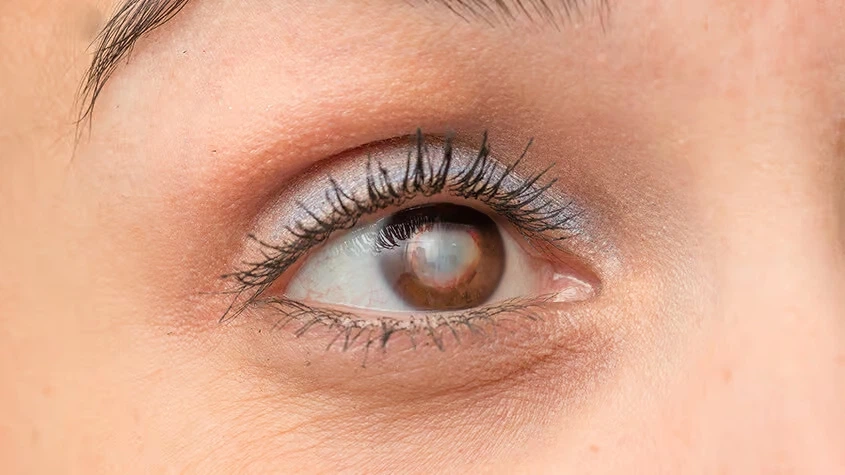
Cataracts

If you’ve been diagnosed with cataracts, you may wonder if cataract surgery is right around the corner. Not to worry. There are many preventive steps you can take to slow the progression of cataracts and preserve your vision. That doesn’t mean you won’t eventually need surgery, but you can at least delay the need for quite a while.

Protect Your Eyes From The Sun

The National Eye Institute recommends protecting your eyes from the sun’s harmful ultraviolet (UV) and high-energy visible (HEV) rays by always wearing good quality sunglasses while outdoors. Look for sunglasses that block 100 percent of UV rays and absorb most HEV rays with large lenses or a close-fitting wraparound style. Remember that the peak hours for sun exposure are between 10 am and 3 pm or 11 am and 4 pm during daylight savings time and that the sun’s rays are strong enough to pass through clouds, so you need your sunglasses every day.

Avoid Steroid Eye Drops

Steroid eye drops are routinely prescribed to treat dry eyes or an arthritic flare-up in the eyes. Unfortunately, they can also speed up the progression of cataracts. Talk to your Optometrist about how you can manage both conditions without inadvertently making your cataracts worse – and hastening the need for surgery.

Check Your Medications

There are over 300 commonly prescribed medications with side effects that may impact cataract progression. Since your primary care physician may not have access to your eye doctor’s medical records, be sure to ask your doctor if your current medications will affect your cataracts. If you must stay on the medication, it’s even more important to avoid sunlight during peak hours and to wear sunglasses.

Quit Smoking

If you haven’t quit already, here’s another good reason to do it: over time, the damage from smoking can double or triple an individual’s risk of developing cataracts. If you’ve been a smoker, your habit was probably a big contributor to the diagnosis. The good news is – by quitting smoking now, you can slow the progression of cataracts.

Follow Eye Health Diet Guidelines

Studies have shown that certain vitamins and nutrients may reduce age-related decline in eye health, particularly antioxidants. If you’ve already been diagnosed with cataracts, adding foods rich in antioxidants to your diet will help slow the progression. This list isn’t exhaustive, but here are some examples to get you started: dark chocolate, blueberries, strawberries, pecans, carrots, sweet potatoes, artichokes, kale, red cabbage, beans, beets, spinach, apples, and plums.

Doctors also recommend eating more fish high in omega-3 fatty acids. This has been linked to a potentially reduced risk of cataracts or their progression. You may also consider taking a multivitamin that contains Vitamin C and E. Talk to your doctor or nutritionist about how you might adopt a healthy eating plan that’s designed to prevent cataracts.

Fortunately, making these healthy modifications to your diet can prevent many other lifestyle diseases such as diabetes. Studies have shown that a diet rich in processed carbohydrates can increase your risk of both developing cataracts and speeding up its progression. It’s important to develop a plan that works for you and supports your holistic health.

Take control of your cataract diagnosis by getting regular eye exams, communicating with your doctor, and putting these tips into practice. You’ll have better vision and prevent the need for cataract surgery in the near future.


Questions before booking?

Quick answers for your visit.

Team hours: Mon–Fri, 9 am–5 pm.
How do I book an eye exam?

Use our online scheduler to choose a date and review appointment options, even when the office is closed. Follow the steps in the scheduler to book your visit.

If your first selected day has no appointments, try another date. Open the online scheduler (opens in a new tab) →

Can’t find a suitable appointment?

If the scheduler doesn’t show a time that works for you, send our team your preferred days and times using the website contact form. We’ll follow up within one business day.

Sending a request does not reserve an appointment.

Which vision plans do you accept?

We accept major vision plans, including VSP, EyeMed, Davis Vision, Superior Vision, Spectera and NVA. Individual benefits, copays and allowances depend on your plan and require verification by our team.

View insurance information →

What if I don’t have vision insurance?

You can visit iDoctor with or without vision insurance. For current eye-exam and contact-lens service fees, send our team a question before your visit. We can also help you explore eyewear options for your budget.

What should I bring to my first visit?

Bring your current glasses or contact lenses, insurance card or plan information, photo ID and a list of your medications. Bring any questions you’d like to discuss, too.

How much time should I allow?

We schedule 30-minute eye exams so there is time for your questions. Allow extra time after the exam if you plan to choose glasses or contact lenses.

When will your team reply?

Our regular office hours are Monday–Friday, 9 am–5 pm, with weekends closed. We reply to form messages within one business day. Holiday hours may vary.

You can also call or text (630) 454-6899. Messages sent while we are closed are available for our team to review when we return.