Contacting iDoctor for urgent eye concerns
For urgent eye concerns during office hours, call (630) 454-6899 to speak with our team. iDoctor is open Monday–Friday, 9 am–5 pm. We do not provide after-hours availability. Online booking and website messages are intended for routine scheduling and inquiries.
Depending On The Type Of Injury, Any Of The Following Symptoms May Be Present:
- Bleeding or other discharge from or around the eye
- Bruising
- Decreased vision
- Double vision
- Loss of vision, total or partial, in one eye or both
- Pupils of unequal size
- Eye pain
- New or severe headaches
- Itchy eyes
- Redness or bloodshot appearance
- A sensation of something in the eye
- Sensitivity to light
- Stinging or burning in the eye
- One eye is not moving like the other
- One eye is sticking out or bulging
- Nausea or headache occurring with eye pain (this may be a symptom of glaucoma or stroke).
A black eye is usually caused by direct trauma to the eye or face, causing a bruise resulting from bleeding under the skin. The skin around the eye turns black and blue, gradually becoming purple, green, and yellow over several days. Swelling of the eyelid and tissues around the eye may also occur. The abnormal color usually disappears within 2 weeks.
A blow to the eye can potentially damage the inside of the eye. Trauma is also a common cause of hyphemia, which is blood inside the front of the eye and is often due to a direct hit to the eye from a ball. Besides, certain types of skull fractures can cause bruising around the eyes, even without direct injury to the eye.
A chemical injury to the eye can be caused by a work-related accident, common household products such as cleaning solutions, garden chemicals, solvents, or other types of chemicals. Fumes and aerosols can also cause chemical burns. With acid burns, the haze on the cornea often clears and there is a good chance of recovery. However, alkaline substances such as lime, lye, drain cleaners, and sodium hydroxide found in refrigeration equipment may cause permanent damage to the cornea. It is important to flush out the eye with large amounts of clean water or salt water (saline).
Photic retinopathy, also known as foveomacular retinitis or solar retinopathy, is damage to the eye’s retina, particularly the macula, from prolonged exposure to solar radiation or other bright light, e.g., lasers or arc welders. It usually occurs due to staring at the sun, watching a solar eclipse, or viewing an ultraviolet, Illuminant D65, or other bright light. Immediate evaluation by your doctor is advised.
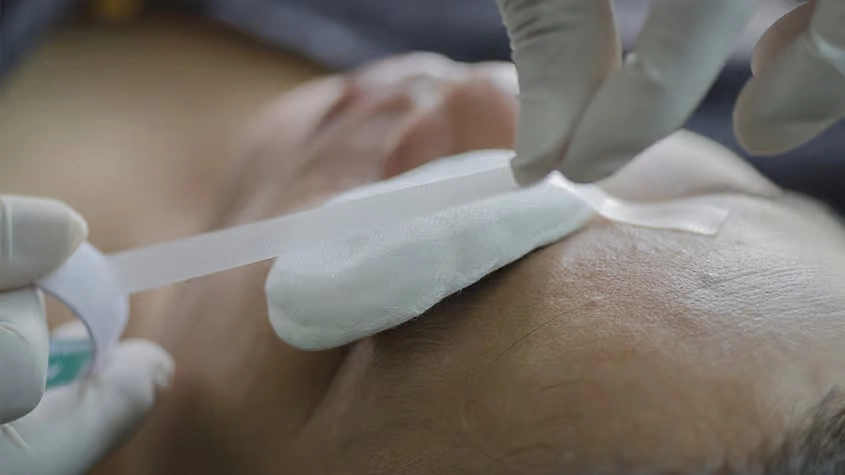
In case of an eye injury, cut or trauma, gently apply a clean cold compress to the eye to reduce swelling and help stop the bleeding. Do not, however, apply pressure to control bleeding. If blood is pooling in the eye, cover both eyes with a clean cloth or sterile dressing. And, call your doctor immediately.
In case of eye injury be sure NOT to:
- rub or apply pressure to your eye
- try to remove foreign objects that are stuck in any part of your eye
- use tweezers or any other tools in your eye (cotton swabs can be used, but only on the eyelid)
- put medications or ointments in the eye
As for contact lenses wearers, attempting to remove your contacts can make the injury worse. The only exceptions to this rule are in situations where there is a chemical injury and the lenses didn’t flush out with water, or where immediate medical help cannot be received.