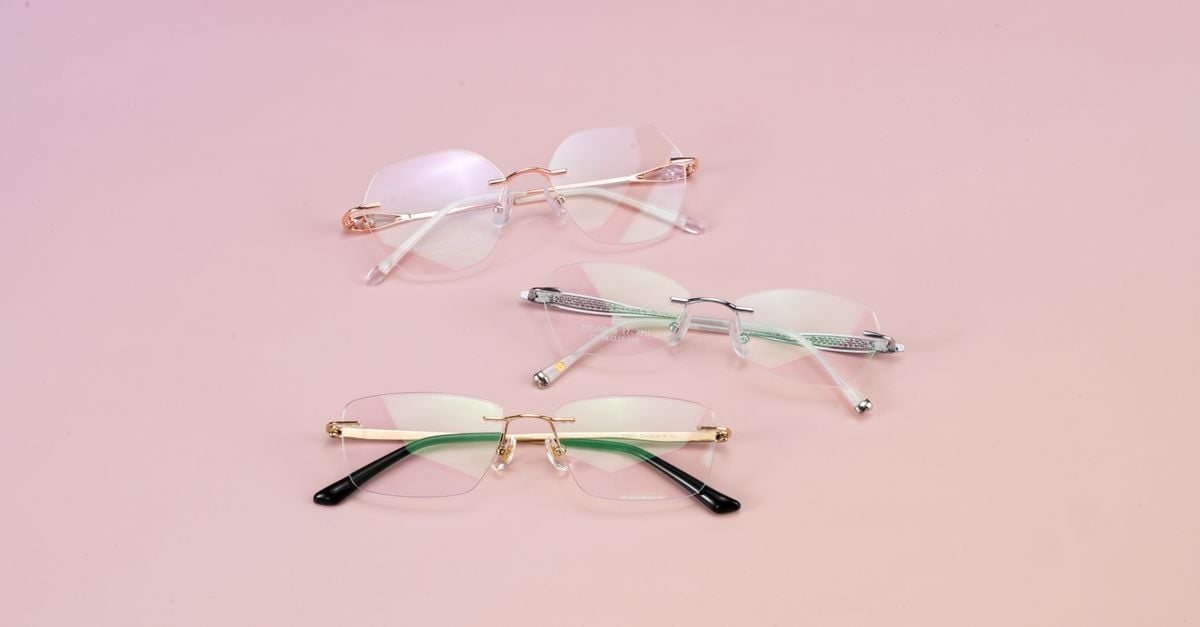
Reflections on your glasses can be distracting under office lights, during video calls, and while driving after dark. In daily use, both basic and premium anti-reflective coatings reduce lens reflections, but a premium option may be easier to clean and better suited to frequent wear, depending on its specific features. If you are choosing prescription eyeglasses in Glendale Heights, the useful comparison is not the label alone. It is how each coating performs with your lenses and routine.
Comparing coatings for a new pair? Call iDoctor at (630) 454-6899 or request an appointment online.
Premium vs Basic Anti-Reflective Coating for Eyeglasses in Glendale Heights
The short answer is that a basic anti-reflective treatment can solve the main problem of distracting reflections. A premium treatment may add surface properties that make fingerprints, moisture, and routine cleaning less bothersome. Neither choice guarantees glare-free driving, scratch-proof lenses, or a fix for an inaccurate prescription. At iDoctor, we recommend matching the coating to how often you wear your glasses, which lens material you choose, and what the upgrade actually includes.
What Anti-Reflective Coating Is and What It Does
Anti-reflective coating, often shortened to AR, is a treatment applied to eyeglass lenses to reduce light reflected from their surfaces. Reflections can come from overhead fixtures, bright windows, screens, headlights, and lights behind the wearer. When less light reflects from the lens, more of the scene reaches your eyes without that particular distraction. Other people may also see your eyes more easily through your glasses during conversation or video calls.
AR is not the same thing as a new prescription. It does not change the optical power of a lens or correct a poorly positioned pair of glasses. It is also different from a sun tint or polarized sunglass lens. If bright sunlight or reflections from a wet road are the problem, you may need to discuss a separate sunwear solution rather than expect clear AR-coated lenses to perform like sunglasses.
The distinction between basic and premium is not a universal technical standard. Two products sold as premium can have different features, and a basic option from one lens package may not match the basic option in another. Compare the named treatment and its included features, not just the category printed on an estimate. Our prescription lens options include advanced coatings, and our optical team can explain which options are available for your chosen lenses.
Why lens material and surface treatment belong in the same conversation
Every pair is a combination of choices: prescription, lens design, material, coating, frame, and fit. A person buying high-index lenses for a strong prescription may value reflection control particularly highly. Someone ordering progressives may have spent time choosing a design that suits driving, screens, and reading, so keeping those lenses clean matters too. For a backup pair worn infrequently, the same premium upgrade may be less important.
This is why we do not treat AR as an isolated add-on. First decide whether the prescription and lens design suit the work your glasses need to do. Then decide which coating features will make that pair easier to live with. A more expensive surface treatment cannot compensate for lenses that are the wrong prescription or a frame that slides down your nose.

Benefits of Comparing Coatings Locally in Glendale Heights
For Glendale Heights patients, the advantage of discussing coatings in person is being able to connect a lens recommendation with the actual frame, prescription, and wearing habits. At our boutique optical, we can review whether your main frustration is reflected light, fingerprints, scratched lenses, or a pair that never seems quite clear. Those are related complaints, but they do not all have the same solution.
Our practice is at 132 E. Army Trail Rd. in Glendale Heights, near Army Trail and Bloomingdale Roads and just past Jewel-Osco. The location also serves patients coming from Bloomingdale and Carol Stream who want to compare lens choices while selecting frames. If you already own glasses, bring them. What you like and dislike about that pair often tells us more than a generic request for the most expensive coating.
Dr. Saher Sayed leads our eye care team. Our detailed exams use digital phoropters and advanced diagnostics, while our optical team uses Optikam digital measurements for individualized eyewear fitting. These tools help us address prescription and fit questions alongside lens-surface choices. A coating discussion is most useful when the underlying glasses work well for you.
Basic vs Premium Coating: What Changes in Daily Use?
Think of this as two questions. First, does the treatment reduce reflections well enough for your use? Second, what happens when you touch, clean, and wear the lenses repeatedly? Basic AR addresses the first question. A premium treatment may offer additional advantages on the second, but only if those features are part of the particular product being offered.
| Daily consideration | Basic AR coating | Premium AR coating |
|---|---|---|
| Reflections | Reduces reflections compared with lenses without AR. | Also reduces reflections; the visible difference from basic depends on the products being compared. |
| Fingerprints and oils | Cleaning experience depends on the treatment included. | May include an oil-repellent surface that makes fingerprints easier to remove. |
| Water and moisture | Water behavior varies by product. | May include a water-repellent surface that makes droplets easier to wipe away. |
| Scratches and wear | Durability depends on the full lens and coating package. | May offer a more durable treatment, but is not scratch-proof. |
| Best reason to consider it | You want reflection control without paying for features you may not use. | You wear your primary glasses frequently and value easier upkeep. |
Office lights, screens, and video calls
Bright fixtures can appear as reflections on the front or back of a lens. AR reduces these surface reflections, which can be useful when you move between a monitor, paperwork, and conversations throughout the day. It can also make your eyes more visible to someone looking at you through your glasses on a video call.
Premium does not automatically mean that a screen will feel more comfortable than it does with basic AR. If you have to lean toward a monitor or hold text farther away, the issue may be your prescription or the distance your lenses are designed to serve. If your lenses constantly look smeared after you touch them, easier-cleaning surface properties may matter more than a small difference in reflection appearance. Tell us which experience you want to improve.
Headlights and evening driving
Clear lenses with AR can reduce reflections created by the lenses themselves when bright lights enter your field of view. That is relevant when driving after dark. What AR cannot do is remove all glare from oncoming traffic, reflections already present on a wet road, or light scatter caused by other sources.
If night driving has recently become more difficult, do not assume the answer is a coating upgrade. A dirty windshield, smudged glasses, prescription changes, dry eye, and eye health changes can all deserve attention. A detailed eye exam can help determine whether you need an updated prescription or an assessment of eye health before choosing new lenses. For a closer look at the distinction between lens treatments and other glare problems, see our guide to anti-reflective coating for night driving and smudged lenses in Glendale Heights.
Fingerprints, cleaning, and everyday handling
Cleanability is often the most practical reason to compare coating tiers. If a premium option includes an oil-repellent treatment, fingerprints may release more easily during proper cleaning. A water-repellent treatment can make moisture less likely to cling to the surface. Those features are particularly relevant if you frequently adjust your glasses, work around splashes, or find yourself wiping your lenses throughout the day.
Be precise about what you are buying. Ask whether the quoted premium treatment includes both oil- and water-repellent features, or whether its primary selling point is something else. A familiar brand name alone does not tell you which features are in a particular lens order. Basic AR is not necessarily hard to clean, and premium AR is not self-cleaning. Both still need sensible handling.
Wear, heat, and scratches
Some premium lens packages place more emphasis on durability, but no AR treatment makes eyeglasses immune to scratches or damage. Grit trapped against a cloth can mark a lens regardless of its price. Heat and improper cleaners can also affect lens treatments. If you have had coating problems on a previous pair, describe what the surface looked like and how you cared for it before assuming the next pair simply needs a higher-priced coating.
Another useful distinction is between surface damage and changes in vision. A cloudy-looking area, patchy reflection, or visible marks that remain after proper cleaning may warrant a lens inspection. Blur that changes when you blink, or occurs even without glasses, needs a different conversation. Our article on signs an anti-reflective coating should be checked explains what to watch for.

How to Choose the Right Coating for Your Glasses
We use a simple decision framework: identify the job of the glasses, identify the annoyance, then check which coating feature addresses it. This prevents you from paying for an appealing description that does not match the problem you actually have.
- Decide whether this is your primary or backup pair. A primary pair worn for work, errands, and driving gets more daily handling. A backup pair may spend much more time in its case. That difference affects how much you may value easier cleaning and the overall finish.
- Name the specific distraction. Are you noticing bright reflections while wearing the lenses, visible reflections during video calls, persistent fingerprints, or marks that do not wipe away? Each points to a different question about coating performance, cleaning, or lens condition.
- Confirm your prescription and lens design. If near work is blurry, choose appropriate optical correction first. If progressives feel poorly positioned, fitting deserves attention. Do not use a coating upgrade as a substitute for either.
- Ask for a feature-by-feature comparison. Request the names of the basic and premium treatments available for your lenses. Ask what is included for reflection reduction, cleanability, scratch resistance, and warranty or remake terms, if applicable. Do not assume all products labeled premium are identical.
- Review the complete price with benefits applied. Find out what your vision plan contributes toward the lens and coating you are considering, then compare your actual out-of-pocket choices. The most sensible upgrade is the one you will benefit from and can evaluate clearly.
At iDoctor, we carry prescription lens options that include Crizal Rock and Easy Pro coatings. Their availability and suitability should be discussed with the specific lens order rather than treated as interchangeable labels. If you are comparing named Crizal treatments, our coating comparison guide offers more context.
When basic AR can be enough
Basic AR is a reasonable option when your main goal is to reduce lens reflections and the additional features offered in an upgrade are not priorities. It may make sense for an occasional-use pair or for someone choosing between a coating upgrade and another lens feature that matters more to their prescription. You do not need to buy every enhancement to get useful glasses.
Even for a basic package, ask what is included. Does the quote already include AR? Is a hard coat part of the lens package? What care instructions apply? These questions make it easier to compare two estimates fairly.
When premium AR deserves a closer look
Premium AR is worth discussing if you wear one pair most of the day, regularly notice smudges, or want a particular combination of reflection control and easier upkeep. It can also be a sensible consideration for high-index or progressive lenses that you expect to use as your main pair. The justification is not that premium always transforms eyesight. It is that the added surface features may solve repeated, practical frustrations.
If your current lenses are otherwise clear and easy to maintain, ask what measurable or observable difference you should expect from the proposed upgrade. An honest comparison may lead you to basic AR, to a premium option, or to spending your budget on a different lens design. Our goal is a pair you are comfortable using, not the longest list of extras.
Best Practices for Keeping AR-Coated Lenses Clear
Care matters whichever treatment you choose. The simplest rule is to remove loose particles before wiping the lenses, then use materials intended for eyewear. A durable coating still benefits from gentle cleaning.
- Rinse before wiping when possible. Running water can help remove grit that might otherwise be dragged over the lens surface.
- Use an appropriate cleaner. Follow the instructions provided with your lenses. If using soap, choose a mild, lotion-free option and rinse thoroughly.
- Dry with a clean microfiber cloth. A cloth that has collected dust or skin oils may spread smears instead of removing them. Wash it according to its care instructions.
- Avoid harsh shortcuts. Clothing, tissues, paper towels, and household glass cleaners are poor substitutes for proper lens-cleaning materials.
- Use a protective case. Keep glasses away from loose keys and other objects when you are not wearing them.
- Keep them away from excessive heat. A hot car dashboard is not a safe storage spot for glasses or their lens treatments.
If cleaning no longer restores clarity, bring the pair in for an inspection rather than repeatedly scrubbing a stubborn patch. What looks like a stain could be a surface problem, and pressing harder will not solve it. Our team can also check whether the frame needs an adjustment, since a well-fitted pair is less likely to require constant handling at the lenses.
Insurance, Lens Choices, and Local Convenience
iDoctor accepts major vision insurance plans, including VSP, EyeMed, Cigna Vision, Humana, Superior Vision, Davis Vision, NVA, Spectera, and UnitedHealthcare Vision. Acceptance of a plan does not mean every coating is fully covered. Benefits for lens enhancements vary, so ask us to verify your plan and explain the available choices before you commit to an order.
We also offer a $125 Value Package for patients seeking an affordable option without insurance. It includes a frame, lenses, and anti-reflective coating. Ask our team what is included in the package and how it compares with any separate premium treatment you are considering. Comparing the actual package details is more useful than comparing price labels alone.
Immediate appointments may be available, and eye exams are often available the same day or next day, subject to scheduling. If you are due for an exam, you can address prescription questions before finalizing new glasses. If your prescription is current and you mainly want help comparing lens options, call us to discuss the appropriate next step.
FAQs About Anti-Reflective Coating in Glendale Heights
Is premium anti-reflective coating worth paying for?
It may be if you wear your glasses frequently and the specific premium treatment adds cleaning or durability features you value. If you mainly want fewer reflections on an occasional-use pair, basic AR may be sufficient. Ask for the features and your final cost, not just the word premium.
Will premium AR eliminate headlight glare?
No. AR can reduce reflections from your eyeglass lenses, but it cannot eliminate glare from headlights or diagnose why night vision has changed. If glare is new, worsening, or interfering with driving, schedule an eye exam.
Can I get a same-day eye exam at iDoctor?
Same-day or next-day appointments are often available, but openings vary. Call or text (630) 454-6899 to check current availability before visiting.
Does vision insurance cover a premium coating?
Coverage depends on your specific plan and lens choices. We accept major vision insurers, including VSP and EyeMed, and can help verify benefits and explain any out-of-pocket charge for a coating upgrade.
How long will new eyeglasses take?
Turnaround depends on the prescription, frame, lens design, coating, and order details. Ask for an estimate when your glasses are ordered rather than assuming every pair can be completed on the same schedule. Our guide to eyeglass turnaround explains the factors involved.
How to Book Today and Compare Your Options
Bring your current glasses and any insurance information you would like us to review. Tell us where reflections bother you, how often you clean your lenses, and whether this will be your primary or backup pair. We can then compare available coatings in the context of your prescription, lens design, and preferred frame.
Get help choosing lenses in Glendale Heights. Call or text iDoctor at (630) 454-6899, request an eye exam online, or visit us at 132 E. Army Trail Rd., Glendale Heights, IL 60139. We will help you decide whether basic AR meets your needs or a premium treatment offers a practical benefit for the way you wear your glasses.