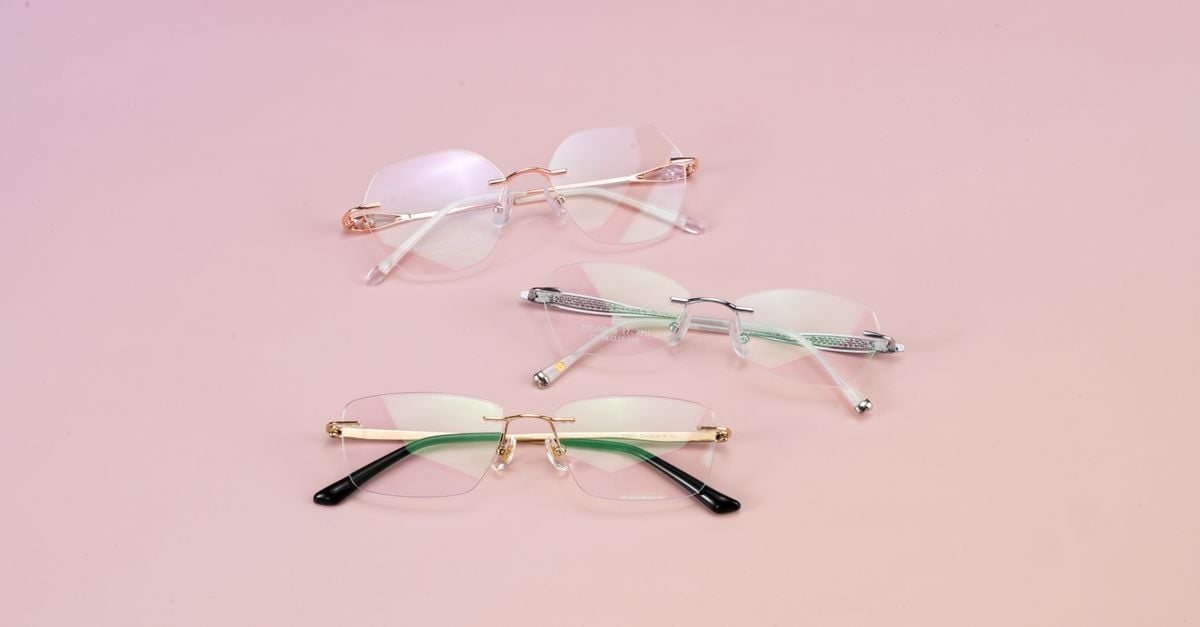
Strong farsighted glasses can make the eyes look larger and leave a noticeable bulge at the center of each lens. For luxury eyeglass frames, the most effective cosmetic approach is usually an aspheric or, where appropriate, an atoric lens design, paired with a suitably chosen high-index material and a compact, well-fitted frame. At iDoctor, our boutique optical in Glendale Heights helps patients weigh all three choices together, rather than selecting a lens solely because its label says thin.
A plus lens must still provide the prescribed optical power, so no material or coating makes magnification disappear. High-index material primarily helps control thickness and lens profile. Aspheric design can make a strong plus lens flatter and may reduce the conspicuous enlarged-eye effect. Frame size, lens position, and distance from the eyes can matter just as much to the finished appearance.
Want to compare lenses in a frame you actually like? Call iDoctor at (630) 454-6899 or book an eye exam online. Same-day or next-day exam appointments are often available. Please confirm the current schedule when you contact us.
What are lens and frame fitting services for strong farsighted prescriptions?
Farsightedness, or hyperopia, is commonly corrected with a positive, or plus, lens prescription. Plus lenses are typically thicker at the center than at the edge. In stronger prescriptions, that center thickness can make the lenses protrude from a delicate frame. Viewed from the front, the lenses can also make the wearer’s eyes appear enlarged.
A prescription lens consultation brings together the prescription, lens design, material, frame construction, and measurements taken while the frame is worn. Those factors determine what the finished glasses will look and feel like. A fashion photograph or a bare frame on a display cannot tell you how that frame will look once fitted with your prescription.
At iDoctor, the question is not simply, “Which index is thinnest?” It is, “Which combination produces a good optical fit and a restrained lens profile in this particular frame?” Our optical offers high-index prescription lens options and individualized fittings. We can compare appropriate options after reviewing the actual prescription and frame.
Eye magnification and a thick-looking lens are related, but different
Two cosmetic effects are easy to confuse. Lens thickness describes the physical profile that you may see from the side or above the frame. Magnification describes the apparent enlargement of the eyes when someone looks through the lenses. A thinner lens may look neater in the frame, yet it will not necessarily reduce eye magnification by the same amount.
Lens power, lens shape, curvature, thickness, and the distance between lens and eye contribute to the overall effect. That is why a material upgrade by itself cannot guarantee a particular appearance. A well-chosen frame with properly positioned aspheric lenses may produce a more satisfying result than simply ordering the highest available index in an oversized frame.
Why Glendale Heights patients benefit from choosing lenses and frames together
For someone shopping for designer eyeglasses in Glendale Heights, seeing the frame on their own face before the lens order matters. The bridge determines where the eyewear rests; the frame opening determines how much lens must be made; and the chosen fit determines where the lenses sit relative to the eyes. Each choice affects both comfort and appearance.
Our location at 132 E. Army Trail Rd. is near Army Trail Road and Bloomingdale Road, just past Jewel-Osco. Patients coming from Bloomingdale or Carol Stream can visit the optical to compare frame proportions in person rather than guessing from a product photo. The goal is not to steer everyone toward the smallest possible frame. It is to find a luxury silhouette that suits the face while giving the prescription a workable lens shape.
Dr. Saher Sayed, O.D., M.P.H., M.B.A., leads the practice, and our optical team works with personalized frame fitting. We use digital phoropters during vision assessments, offer advanced diagnostic imaging for eye-health evaluation, and use Optikam digital measurements to support individualized eyewear fitting. Eye-health imaging and optical fitting serve different purposes: imaging helps evaluate the eyes, while eyewear measurements help position the prescribed lenses in the chosen frame.
One patient appreciated the careful explanation of her prescription and the help finding Tom Ford frames that suited her.
iDoctor patient
Which lens choices make plus prescriptions look more refined?
Aspheric design addresses the prominent bulging shape
A conventional spherical lens uses a simpler curved surface. An aspheric lens has a surface curvature that changes across the lens. For many strong plus prescriptions, that design permits a flatter-looking profile and can lessen the conspicuous magnified-eye appearance. It is often the first design question worth asking when the primary concern is how the eyes look behind the glasses.
The improvement is not identical for every prescription or frame. A lens that is poorly positioned can still feel wrong or look uneven, even if its design is sophisticated. Aspheric lenses work best as part of a fitting plan that includes the chosen frame’s size, position, and intended wearing angle.
Atoric design may be worth discussing when astigmatism is significant
If your prescription also includes substantial astigmatism, the lens may need different correction in different directions. An atoric design allows more customized surface shapes than a basic aspheric design. It can be worth discussing with the optician when both plus power and astigmatism affect the result.
Not every lens supplier or prescription combination calls for an atoric option. Nor should the term be treated as a promise that the eyes will look a particular size. Ask what design is actually available for your prescription and selected frame, and what practical difference the optician expects you to notice.
High-index material helps manage center thickness
High-index lens materials bend light more strongly than standard plastic, allowing a given prescription to be made with a different, often slimmer profile. That can be especially useful for plus lenses whose thickest point sits directly in front of the eye. A flatter aspheric design combined with an appropriate high-index material often makes more cosmetic sense than upgrading the material alone.
Lens index options commonly considered for stronger prescriptions include 1.60 and 1.67. Whether a higher index is available or worthwhile depends on the specific lens design, prescription, frame, and supplier. Thinner does not always mean lighter, clearer at every viewing angle, or better value. Material choice also affects how a lens interacts with certain frame constructions and can involve optical tradeoffs. We recommend asking for an assessment of the complete pair rather than assuming the highest index automatically wins.
For a closer look at how a flatter surface changes appearance, see our guide to aspheric high-index lenses for strong prescriptions.
Anti-reflective treatment improves presentation, not magnification
Reflections can draw attention to a lens, especially in photographs, video calls, and brightly lit rooms. An anti-reflective coating can make the lens look clearer to someone facing you and can improve the day-to-day viewing experience. It does not change the prescribed magnification or reduce center thickness.
That distinction is important when comparing upgrades. If the main complaint is “My eyes look too large,” start with lens design and frame fit. If the complaint is “The lenses look shiny in pictures,” discuss anti-reflective treatment. iDoctor offers premium coating options, including Crizal treatments, which can be considered separately from the lens design decision.
Progressive lenses need another layer of compatibility checking
Someone who needs both a strong plus prescription and help seeing at different distances may choose progressive lenses. In that situation, the frame must provide enough usable space for the selected progressive design, and the fitting height must be measured while the frame is worn. Going too small simply to hide lens thickness can compromise the intended viewing areas.
The best frame is therefore compact enough to avoid unnecessary lens size, but tall enough for the chosen lens and how you use your glasses. If you read extensively, work at a monitor, and drive in the same pair, explain those priorities before ordering. Cosmetic refinement should not come at the expense of a workable lens layout.
How luxury frame selection changes the result
Brand does not determine whether a frame works for a strong plus prescription. The size and position of its lens openings, its bridge fit, and its construction are more consequential. A carefully selected Cartier, Oliver Peoples, Gucci, Prada, or Tom Ford frame can be a good match, while a different shape from the same collection may call for compromises.
Look for proportion, not just a small number on the temple
A small-to-medium lens opening is often a sensible starting point. Large openings can increase the required lens area and make the profile more noticeable. But frame size labels do not tell the whole story: two frames with similar marked widths can fit very differently because of bridge shape and where the pupils sit within the openings.
When trying on frames, look straight ahead in a mirror. Your eyes should sit comfortably within each opening, rather than appearing pushed toward one side. Ask the optician whether the frame can be adjusted to sit securely without slipping forward. A frame that repeatedly slides down places the lenses farther from the eyes and changes the wearing position assumed during fitting.
Consider a softly rounded or restrained angular shape
Round, oval, and softly rectangular shapes can offer a polished look without the very wide lens area of some oversized geometric styles. There is no universal best shape. The right option has to accommodate your facial proportions, prescription, and personal style at the same time.
If you like a bold luxury look, consider expressing it through acetate color, distinctive temples, or frame detailing rather than assuming a dramatically oversized lens opening is necessary. A visible frame can make the eyewear itself the design feature while the prescription lenses do their job more discreetly.
Ask whether a full-rim frame makes fitting easier
A full-rim frame can surround the lens and help make its edge feel integrated into the design. This is often a straightforward option for someone prioritizing a clean, finished appearance. Thin semi-rimless and rimless frames expose more of the lens, so material suitability, lens thickness, edge treatment, and attachment method deserve closer review.
That does not mean a strong farsighted prescription rules out a delicate frame. It means the frame should be evaluated before purchase, particularly when the mounting method creates material or thickness requirements. If you are deciding between subtle frame styles, our Glendale Heights guide to Trivex and high-index lenses for semi-rimless designer glasses explains why the frame construction changes the material conversation.
A practical fitting framework for strong plus glasses
- Confirm the glasses prescription first. Bring your current pair and explain what you like or dislike about its clarity, weight, eye appearance, and fit. If your prescription may have changed, an eye exam provides a better starting point than ordering new lenses using assumptions from an older pair.
- Choose candidate frames before committing to a lens upgrade. Try several shapes at realistic sizes. Ask which openings place your pupils well within the frame and which bridges keep the eyewear stable. Keep one style you love and one more compact alternative for comparison.
- Discuss the lens design separately from the material. Ask whether an aspheric or other appropriate design is available, then compare material choices. A high-index material can address profile, while the design and fit contribute to the overall optical and cosmetic outcome.
- Review any additional prescription requirements. Astigmatism, progressive power, and the frame’s construction can change the recommendation. Tell the optician if you are considering rimless mounting, photochromic lenses, or prescription sunglasses rather than assuming one specification transfers unchanged across every pair.
- Take wearing-position measurements in the adjusted frame. Measurements may include where each pupil sits behind its lens and, when needed, fitting heights and other frame-position details. The frame should be adjusted to its intended wearing position before measurements are finalized.
- Check the finished pair on your face. At pickup, assess clear vision, comfort, frame balance, and how the glasses look from the front and side. If the frame slides, sits unevenly, or seems to put the optics in the wrong place, ask for a fit check rather than trying to bend a luxury frame yourself.
We use Optikam digital eyewear measurements at iDoctor as part of that individualized process. Digital tools can help record the fit, but they do not replace an optician’s judgment about whether the frame and lens design are sensible together.
Common misconceptions about thinner farsighted lenses
- “The highest index will make my eyes look normal-sized.” A higher index can improve the physical profile, but plus-lens magnification is not eliminated. Discuss aspheric design, frame size, and lens position as well.
- “A bigger frame will hide the prescription.” A larger opening may require a larger lens and make the finished eyewear more visually prominent. Judge the actual lens shape rather than relying on a fashionable frame’s empty appearance.
- “Anti-glare coating shrinks my eyes.” Anti-reflective coatings change reflections, not the prescription’s optical power. They address a different cosmetic concern.
- “The smallest frame always looks best.” A frame that is too narrow or short can fit poorly, conflict with a progressive design, or fail to suit your face. A balanced fit is more useful than an extreme size reduction.
- “If my new glasses look odd, I just have to live with them.” Start by having the frame position and lens measurements checked. A new appearance can take getting used to, but persistent blur, discomfort, or an unstable fit warrants review.
Best practices when shopping for luxury farsighted glasses
Be specific about the problem you want solved. “I want less apparent eye enlargement” and “I want thinner lenses from the side” are different requests. Tell the optical team which matters most to you, and show them your existing glasses if they illustrate the issue.
Compare complete pairs, not isolated upgrades. An aspheric lens in a suitable frame may be a better investment than an expensive material upgrade in a poorly sized frame. Conversely, someone with a particularly strong plus prescription may benefit from discussing both design and index. Ask which change addresses your particular concern before paying for it.
Keep daily comfort in the decision. Weight distribution, a stable bridge, comfortable temples, and a clear view are not secondary to style. If a frame falls out of position while you read or work, the best-looking lens specification on paper will not rescue the wearing experience.
Check benefits before ordering. iDoctor accepts major vision insurance, including VSP, EyeMed, Cigna Vision, Humana, Superior Vision, Davis Vision, NVA, Spectera, and UnitedHealthcare Vision. Benefits for frames, lenses, and enhancements vary by plan, so our team can help verify what applies before you decide on high-index material or a premium coating.
Frequently asked questions about farsighted lenses in Glendale Heights
Do high-index lenses stop a strong plus prescription from magnifying my eyes?
No. High-index material can reduce lens bulk, but it does not erase the optical magnification associated with a strong plus prescription. An appropriate aspheric design, sensible frame proportions, and accurate fitting can make the finished glasses look more restrained.
Can I put a strong farsighted prescription into luxury designer frames?
Often, yes, provided the specific frame works with your prescription and lens choice. The brand name alone cannot establish compatibility. Bring the frame, or try it on with an optician, so its size, bridge fit, construction, and lens mounting can be evaluated before an order is placed.
Are same-day appointments available in Glendale Heights?
Eye exam appointments at iDoctor are often available the same day or next day, subject to the schedule. Call or text (630) 454-6899 to check current openings. An immediate exam appointment does not mean custom prescription glasses will be ready that day.
Is iDoctor open on weekends, and where is the practice?
Published office hours are Monday, Thursday, and Friday from 9 a.m. to 5 p.m., and Tuesday and Wednesday from 10 a.m. to 3 p.m. Weekend hours are not listed. The practice is at 132 E. Army Trail Rd., Glendale Heights, IL 60139, near the Army Trail Road and Bloomingdale Road area. If parking arrangements matter to your visit, call ahead for current details.
How long do custom high-index eyeglasses take?
Completion depends on the prescription, selected lens design and coating, frame availability, and laboratory processing. Ask for an estimated turnaround when you place the order rather than assuming that an appointment opening or a simple prescription determines delivery time.
How to book a lens and frame consultation today
Bring your current glasses, your vision insurance information, and any luxury frame you would like assessed. Tell us whether eye magnification, center thickness, weight, reflections, or comfort is your main concern. That lets the optical team compare realistic options instead of recommending the same upgrade to everyone.
For strong farsighted prescriptions, the most reliable route to a polished result is to choose the lens design, lens material, and frame as a set. Call iDoctor at (630) 454-6899 or book an appointment online to discuss prescription lenses and designer eyewear at our Glendale Heights practice.