Should I use my remaining 2026 vision benefits on glasses or contact lenses if I need both?
Contents
If you need both glasses and contact lenses, use your remaining 2026 vision benefit on the option you cannot comfortably do without, then compare the total cost of buying the other yourself. Prioritize usable glasses if your backup pair is missing, damaged or inaccurate. Prioritize contacts if your glasses work well and you need lenses for regular wear. In Glendale Heights, iDoctor can review your plan and help you price both choices before you order.
There is no universal rule that a vision plan covers both purchases in the same benefit period. Some plans make elective contacts an alternative to a glasses benefit; others have different allowances or eligibility rules. Your reset date may not be December 31. Before spending anything, confirm what remains available, what expires when, and what you would pay for each option.
What a glasses or contact lens benefit actually covers
A vision benefit is not necessarily a single pot of money that you can spend on anything in the optical. Plans may treat the eye exam, frames, prescription lenses, contact lens materials and contact lens fitting as separate benefits. Each can have its own copay, allowance, frequency limit or eligibility date.
The distinction that matters most when you need both is materials coverage: will your plan contribute toward glasses, contacts, or both during your current benefit period? Wording such as “contacts in lieu of glasses” generally signals a choice between those materials benefits. That does not mean you cannot buy both. It means you should find out which purchase receives the plan benefit and what the second purchase costs without it.
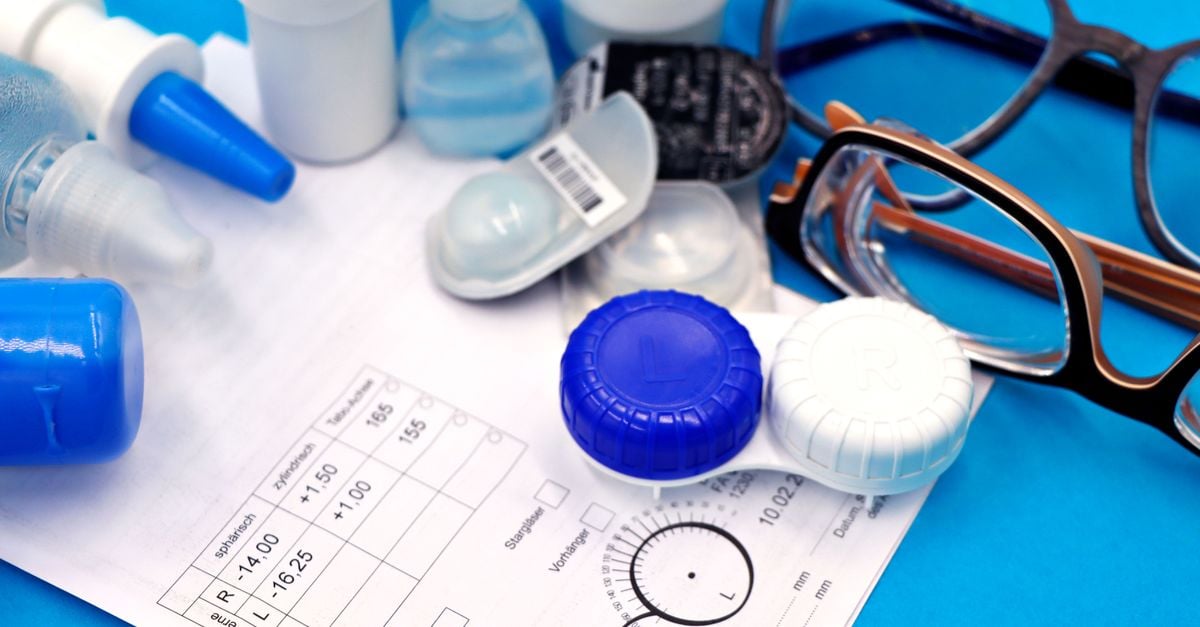
Keep the prescriptions separate. A glasses prescription does not substitute for a contact lens prescription. Contacts require an appropriate fitting and a valid contact lens prescription before an order can be placed. If you are new to contacts or changing lens types, make room in your schedule for trials, training and any recommended follow-up.
Most vision benefits reset annually and unused benefits generally do not roll over, but an individual plan can use a different renewal date or separate replacement schedules. A benefit shown on your account today does not automatically mean every item is eligible today. Confirm the exact details before relying on a year-end deadline.
Compare your benefits and eyewear needs in Glendale Heights
At our Glendale Heights practice, we can connect the insurance question with the practical one: what will you wear when your contacts are out, and how much contact lens supply will you actually use? That conversation is more useful than choosing whichever allowance looks larger on a benefits screen.
Our office is at 132 E. Army Trail Rd., near Army Trail Road and Bloomingdale Road. Patients coming from Bloomingdale or Carol Stream can have a comprehensive exam, discuss a contact lens fitting when needed, and explore frames and prescription lenses in the same practice. Optical walk-ins and outside prescriptions are welcome, so you do not need to book an exam solely to shop for glasses.
Dr. Saher Sayed, O.D., schedules 30-minute comprehensive exam slots to discuss vision concerns and explain findings. Digital prescription testing helps refine a prescription, while optional Optomap ultra-widefield retinal imaging is available when appropriate. In the optical, our team helps match frames and lenses to your prescription, fit and daily tasks, with Optikam digital eyewear measurements for glasses purchased here.
We accept major vision plans including VSP, EyeMed, Cigna Vision, Humana, Superior Vision, Davis Vision, NVA, Spectera and UnitedHealthcare Vision. Coverage, network eligibility, copays and remaining allowances depend on your specific plan. Same-day or next-day exam appointments may be available, so call or check the scheduler if timing matters.
“The team offered plenty of options and helpful suggestions without making the choice feel overwhelming.”
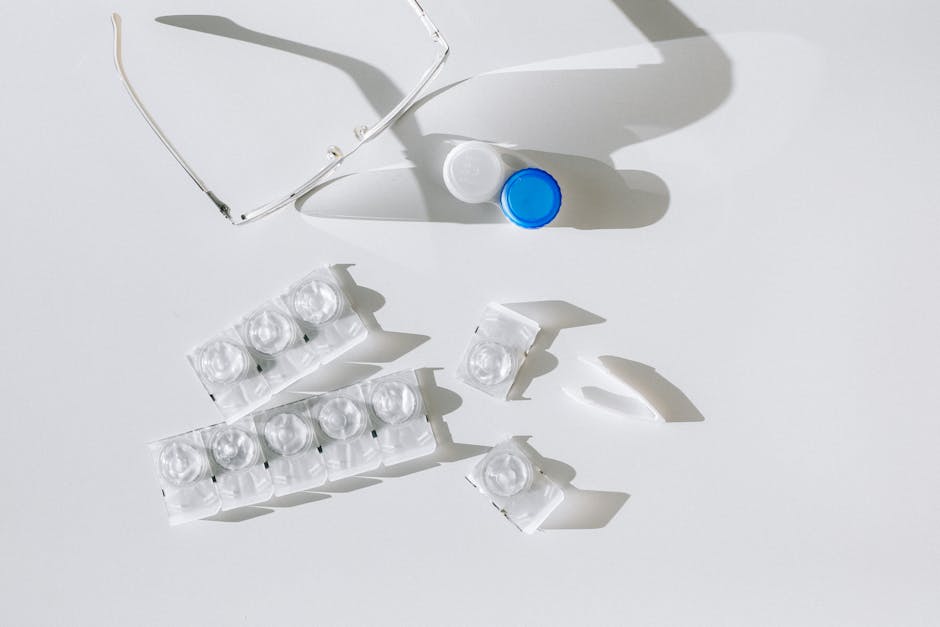
A practical way to decide which purchase gets the benefit
We suggest comparing need, eligibility and total out-of-pocket cost, in that order. Need keeps a missing backup pair from being overlooked. Eligibility tells you what your plan will actually pay. Total cost prevents a generous-looking allowance from hiding an expensive fitting fee, lens upgrade or uncovered second purchase.
- Check what you can wear right now. Put on your current glasses and assess whether you can comfortably use them for driving, reading, work and the times you are not wearing contacts. Check your remaining contact supply against how often you wear it. A current, usable pair of glasses is a sensible fallback for a contact lens wearer.
- Verify each benefit separately. Ask for your remaining exam benefit, frame allowance, prescription lens coverage, elective contact allowance and fitting benefit. Confirm the next eligibility date for each. Ask directly whether using the glasses benefit changes your contact lens coverage during the same period.
- Get a comparable estimate for both paths. Price the glasses you would actually buy, including the frame and appropriate lens design. Then price the contact lens type and quantity you would actually wear, including any fitting charge. Ask what you owe if the benefit goes to glasses and what you owe if it goes to contacts.
- Choose the benefit allocation that leaves you with functional vision and the more manageable total. If both purchases are essential, plan for both rather than treating one as optional. If one can wait until its next eligibility date without leaving you short of correction, ask whether that timing improves your costs.
- Confirm timing before placing an order. Check your plan’s deadline and ask how it applies to the purchase you intend to make. Glasses typically take 7 to 10 business days here, and specialty or custom orders can take longer. A valid contact lens prescription is needed before reordering.
For a plan-specific discussion of allowances and lens enhancements, see our article on checking coverage for premium lenses and contact lens fittings. The benefit estimate is only one side of the decision; the condition of what you already own matters just as much.
When glasses, contacts or both should come first
| Your situation | Likely priority | What to check before ordering |
|---|---|---|
| Your only glasses are broken, inaccurate or uncomfortable, but you have contacts on hand. | Glasses | Frame and lens eligibility, the prescription and lens design you need, and the self-pay cost of future contacts. |
| Your glasses work well, you wear contacts regularly, and your supply is running low. | Contacts | Valid contact lens prescription, supply price, fitting eligibility if needed, and any annual-supply offer or rebate. |
| Neither your glasses nor your contacts currently meet your needs. | Both, with a plan for the uncovered item | Two complete estimates and whether materials benefits can be used together or must be split across benefit periods. |
| You want a different frame or lens upgrade, but both current options still work. | Compare value before spending | What the upgrade changes for your daily tasks and whether buying it now actually saves money. |
These are decision guides, not coverage rules. A plan may make one option less expensive even when the other seems like the obvious use of an allowance. Ask for the actual amounts rather than choosing by product category alone.
Choose glasses first when the backup is not dependable
If you wear contacts most days, glasses still need to work when you remove your lenses or take a break from wearing them. A pair that no longer gives you comfortable vision is not much of a backup. Glasses can also be the purchase you use most if you prefer them for screens, reading or everyday wear.
Lens design affects the comparison. Single-vision lenses correct one chosen viewing task, while progressives can address distance, intermediate and near tasks within one pair. If you need progressives or have a stronger prescription, compare a quote for lenses that fit those needs, not the price of the simplest pair on display. At iDoctor, options include single-vision and Varilux progressive lenses; every lens we sell includes an anti-reflective coating. Our $199 Value Package includes a frame, premium single-vision lenses and anti-reflective coating, but not an eye exam or progressive lenses.
Choose contacts first when your glasses already do their job
If your existing glasses are current and comfortable, a contact lens benefit may be more useful for a supply you know you will wear. Think about your real replacement schedule rather than buying the largest box solely because an allowance is expiring. Lens type also matters: daily, biweekly and monthly options have different routines, and toric or multifocal lenses should be chosen on the basis of a fitting rather than an insurance estimate alone.
Our contact lens exams and fittings assess vision, eye health, fit, comfort and routine. Depending on suitability, options include spherical soft, toric and multifocal lenses, among others. Trial lenses help establish a choice before you commit to a supply. With a valid prescription, you can later reorder contacts online, by phone or in person. Ask our team to compare the cost of the quantity you need and any applicable manufacturer rebate.
Buy both when delaying either would leave a real gap
Sometimes the best answer is to use the benefit on one purchase and pay for the other. If your glasses do not work and you are almost out of contacts, waiting for a new benefit period may not suit your needs. Ask for two complete estimates: one with the plan applied to glasses, and one with it applied to contacts. Then compare the combined amount you would pay, not just the discount on the covered item.
Do not assume that a contact lens fitting fee is included with a materials allowance, or that a frame allowance pays for every lens enhancement. If you have both vision and medical insurance, tell the team about both plans. The type of visit and your particular coverage determine how benefits may apply.

What belongs in your out-of-pocket comparison?
A useful estimate reflects what you will take home and what you must do to get it. For glasses, that can mean the frame, the appropriate single-vision or progressive lens design, materials and any selected treatments. For contacts, include the evaluation or fitting, the prescribed lens supply and the care products your lens type requires. Ask whether a contact lens order qualifies for a manufacturer rebate rather than assuming one will apply.
If you are paying without vision insurance, our listed comprehensive eye exam fee is $99. A contact lens exam adds $75 for spherical lenses, $120 for toric lenses, $150 for multifocal or monovision lenses, or $150 for rigid gas permeable lenses. These are additions to the base exam fee, not prices for the contact lens supply. We can review your individual benefits before you decide whether to proceed with an exam or fitting.
Ask for the combined number: “If I buy both, how much do I pay in total when my benefit goes toward glasses? How much do I pay if it goes toward contacts?” This question captures the cost of the item your plan does not cover.
Also ask about the costs after purchase. Eyewear bought here includes lifetime in-store fit adjustments. If you are considering glasses near the end of the year, our team can explain the current order estimate and pickup process. We call or text when glasses are ready; a typical turnaround is 7 to 10 business days, with more time possible for specialty or custom orders.
Best practices before your 2026 benefit period ends
- Bring what you already wear. Your glasses, contact lens packaging and recent prescriptions make it easier to discuss what is working and what is not. A lensometer can read the power in glasses you bring, but that reading is not a new prescription.
- Describe the task, not just the product. Tell us if you need a reliable driving pair, comfortable computer vision, contacts for regular wear, or glasses for the hours after contacts come out. That helps distinguish an essential purchase from an optional upgrade.
- Separate the exam from materials. Check the date and copay for the comprehensive exam independently from your glasses or contact lens allowance. If a new contact lens fitting is needed, ask how that evaluation is covered.
- Do not order contacts from a glasses prescription. A contact lens prescription follows a fitting and specifies the lens appropriate for you. If your current contacts are causing irritation, discomfort or changing vision, discuss that before purchasing more of the same lenses.
- Allow time for a decision. A same-day appointment may be available, but a new fitting may involve trial lenses and follow-up, while glasses require fabrication time. Starting early gives you room to compare choices without rushing.
- Check the second purchase separately. If the plan benefit applies to one category, ask whether any discount or other benefit applies to the other. Do not assume a discount exists until your particular plan is checked.
Our view is simple: the best use of a remaining allowance is the purchase that supports your actual vision needs at the lowest sensible combined cost. A benefit should help you make a good decision, not pressure you into buying a product you will not use.
FAQs about vision benefits in Glendale Heights
Can I use my 2026 benefits for both glasses and contacts?
It depends on your plan. Some make contacts an alternative to the glasses materials benefit, while others have separate rules. You can purchase both, but confirm which items receive coverage in your current benefit period and what the other purchase will cost.
Does iDoctor accept my vision insurance?
We accept VSP, EyeMed, Cigna Vision, Humana, Superior Vision, Davis Vision, NVA, Spectera and UnitedHealthcare Vision. Call or text with your plan information so we can check your specific eligibility, allowances and expected costs.
Can I get a same-day appointment?
Same-day or next-day appointments may be available, depending on the schedule. Check the online scheduler or call us at (630) 454-6899. If no suitable time appears online, contact the team with your preferred days and times.
How long do eyeglasses take?
Glasses typically take 7 to 10 business days. Specialty or custom orders may take longer. We call or text when your order is ready for pickup.
Is the Glendale Heights office open on weekends?
Our regular hours are Monday through Friday, 9 am to 5 pm. We are closed Saturday and Sunday, and holiday hours may vary. See our location and hours before your visit.
How to book and compare your options today
Gather your insurance card or plan information, your current glasses, your contact lens packaging if you have it, and any recent prescriptions. Tell us whether your immediate problem is a worn-out pair of glasses, a low contact supply, a prescription change or the need for both. We can review your benefits and help you compare realistic purchase options before you choose where to apply the allowance.
Page title: Glendale Heights Vision Benefits: Glasses or Contacts?
Meta description: Compare glasses and contacts before your 2026 vision benefits reset in Glendale Heights. Get help checking coverage and costs. Call iDoctor today.
Suggested URL: /blog/vision-benefits-glasses-or-contacts-glendale-heights/
At iDoctor