
Refraction testing.
Refraction measures how lenses can sharpen your vision. It helps determine an eyeglass prescription while the rest of an eye examination looks at eye health and other causes of blur.
What refraction measures.
Refractive errors affect the way light focuses on the retina. A refraction test compares lenses to identify a prescription that gives you the clearest useful vision.
The common categories are myopia (nearsightedness), hyperopia (farsightedness), astigmatism and presbyopia, the age-related change in near focusing. Refraction can assess both distance and near needs.
Understanding the result.
20/20 is a measure of distance visual acuity, not a promise of perfect overall vision. It means you can see at 20 feet the detail someone with typical distance vision sees at 20 feet. Chart setups may use an equivalent viewing distance. It does not measure every aspect of eye health or visual function.
Plano means no lens power in that part of a prescription. People can have vision concerns for reasons beyond a refractive error, and a refraction cannot guarantee that everyone will reach 20/20. The best level reached with correction is called best-corrected visual acuity.
What the test is like.
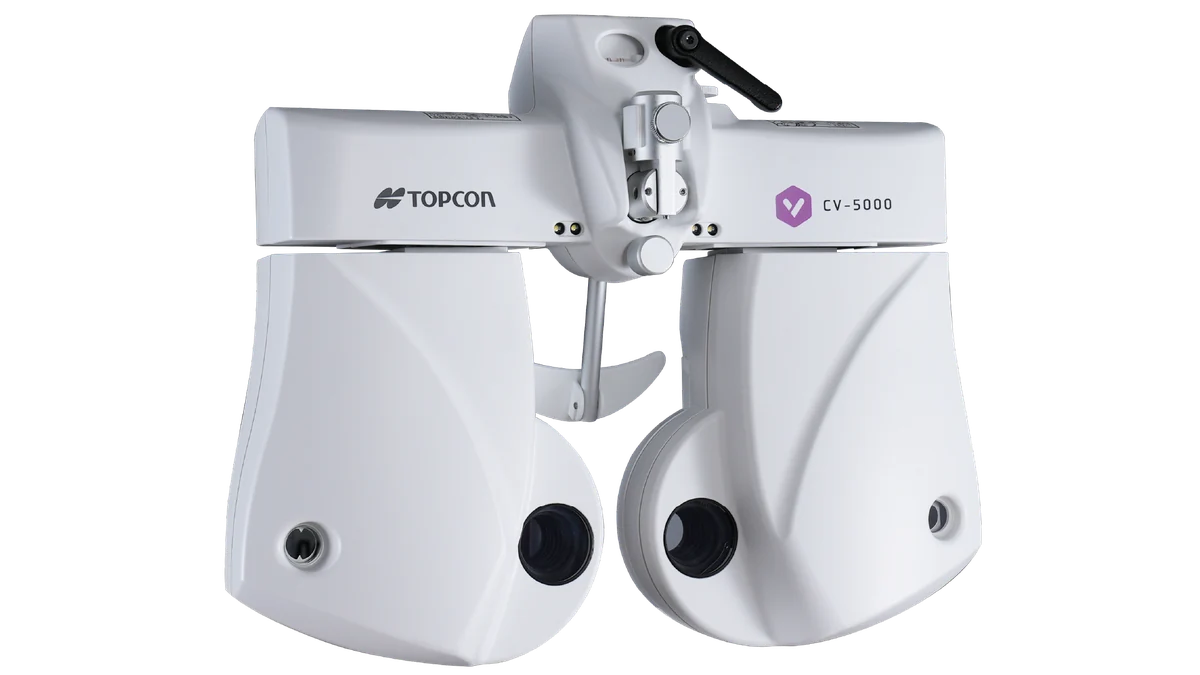
You look through a phoropter or refractor at a chart. The instrument presents lenses of different powers while the examiner compares how clearly you see. Each eye is assessed, with the chart at the appropriate distance or an optical equivalent.
If you wear contact lenses, follow the practice’s instructions about removing them for the examination. Near-vision testing can help identify reading needs, including age-related changes that often become noticeable in middle age.
Refraction is part of a wider examination.
If lenses do not provide the expected clarity, the eye doctor considers other possible explanations. Refraction alone does not identify every eye condition.
Corneal infection or ulceration, macular degeneration, retinal detachment, blocked retinal blood vessels and inherited retinal conditions such as retinitis pigmentosa may also affect sight. These require an eye-health assessment beyond measuring lens power.
When to have your eyes checked.
The right examination and refraction schedule depends on age, symptoms, prescription, health history and previous findings. Children need age-appropriate assessment; people who wear glasses or contacts should follow their recommended follow-up plan.
People with diabetes generally need regular dilated eye examinations, often at least yearly. Glaucoma risk, a family history of glaucoma or changes in vision may also require closer follow-up. Refraction does not replace these eye-health checks.
If your vision changes between appointments, contact your eye doctor rather than waiting for the next routine refraction.