
Cataracts.
A cataract clouds the eye’s natural lens. Changes often develop gradually, and the right time to discuss surgery depends on how your sight affects everyday life.
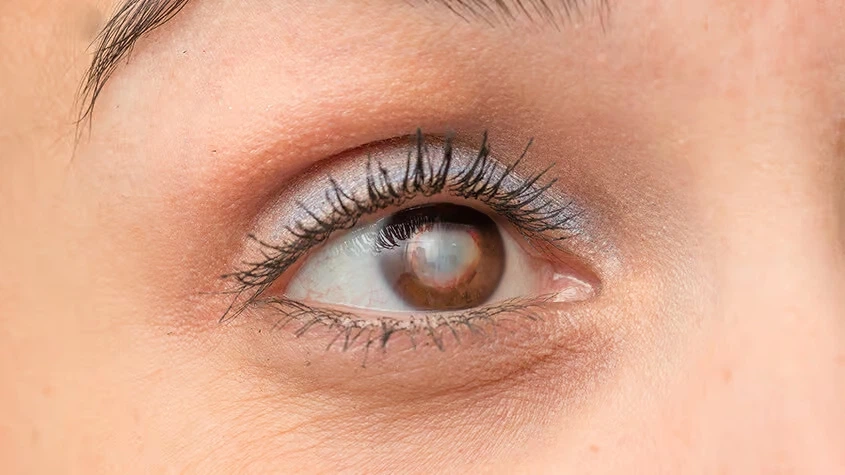
What a cataract changes.
A cataract can make vision cloudy, increase glare and make reading or driving harder. Not every diagnosis means surgery is needed immediately.
Healthy habits can support eye health, but they do not remove an existing cataract or guarantee that surgery can be delayed. Surgery is the treatment that removes the cloudy lens.
Protecting your eyes.
Choose sunglasses that block UVA and UVB, and consider a brimmed hat outdoors. Larger lenses or a close-fitting style can provide more coverage. Sun protection remains useful on cloudy days.
If you smoke, quitting benefits your health and reduces an established risk factor for cataracts. A cataract diagnosis should not be treated as proof that any one habit caused it.
Review medicines with your clinicians.
Some steroid medicines can increase cataract risk. If you use steroid eye drops or another steroid treatment, discuss the benefits and eye-health risks with your prescriber and eye doctor. Do not stop or change prescribed medicine on your own.
Bring an up-to-date medicine list to your eye examination. Your clinicians can review relevant side effects and coordinate care without relying on a blanket count of medicines that might affect the eyes.
Food choices and general health.
A balanced eating pattern supports general health. A varied eating pattern can include leafy greens, fruit, beans, nuts and other vegetables: kale, spinach, blueberries, strawberries, apples, plums, pecans, carrots, sweet potatoes, artichokes, red cabbage and beets. Dark chocolate can be enjoyed as part of an overall balanced diet.
Fish can be part of a healthy eating pattern too. Discuss vitamins or supplements with your clinician instead of assuming that omega-3s, vitamin C or vitamin E will prevent cataracts or slow an existing cataract.
Nutrition, activity and diabetes care can support your overall health. They cannot promise better vision or prevent the need for cataract surgery.
Research has examined links between dietary carbohydrate quality and cataract risk. That does not establish that changing carbohydrates will stop an existing cataract.
Monitoring and treatment.
Keep recommended eye appointments and tell your eye doctor about changes in glare, reading, night vision or daily activities. A different glasses prescription, brighter lighting or magnification may help in the early stages.
When a cataract interferes with activities that matter to you, discuss an ophthalmology assessment, the possible benefits of surgery and its risks. Timing is a shared clinical decision.