Which lightweight designer glasses work best with behind-the-ear hearing aids without causing pressure?

Contents
Behind-the-ear hearing aids and eyeglasses both need room around the top of your ears. When a frame presses on the hearing aid housing or makes the glasses slide, even a beautiful lightweight pair can become uncomfortable. The best designer glasses have slim temples, a stable bridge and enough clearance for your actual devices. At iDoctor, our boutique optical in Glendale Heights helps you compare frames while wearing your hearing aids, then checks how the finished glasses sit.
Want to try frames with your hearing aids? Call or text (630) 454-6899. You can walk in to shop for eyewear, or book an eye exam online if you need one.
The best starting point is usually a light frame with narrow metal temples or another slim, adjustable design. Do not buy by material or brand alone. Temple position, lens weight, nose support and the shape of your hearing aids determine whether the combination feels comfortable. Try frames with both devices in place before ordering lenses.
What comfortable designer eyewear fitting involves
A behind-the-ear, or BTE, hearing aid has a component resting behind the outer ear. A receiver-in-canal, or RIC, device also places a housing in that area. The temple is the arm of your glasses that runs from the hinge toward your ear. When the temple and hearing aid compete for the same spot, they can press against each other, shift position or rub the skin.
Choosing glasses for this setup is an eyewear fit decision, not simply a search for the lightest frame on a shelf. A frame can feel featherlight in your hand yet cause discomfort if its temple lands directly on the hearing aid. Conversely, a somewhat more substantial frame may feel better if its bridge supports it securely and its temples clear the devices.
We use a practical sequence: make room, distribute weight, check stability, then verify lens positioning. Each part matters. A thinner arm makes room; a properly fitted nose bridge keeps weight from relying on the ears; stable placement prevents repeated rubbing; and accurate lens placement helps you use your prescription as intended.
Why the pressure is often worse on one side
Do not assume that both ears will respond alike. The two hearing aids may sit slightly differently, the temple bends may not match, or one side of the frame may be closer to the head. Tell the optician which side hurts and where: above the ear, directly behind it, against the hearing aid housing or farther down the temple tip. That description helps distinguish an adjustment issue from a frame shape that simply needs more room.
Pressure is also different from weight. If the pair feels heavy everywhere, the lens and frame combination may deserve another look. If one small area hurts while the rest of the glasses feels fine, focus first on where the temple touches the hearing aid or skin. New glasses should not require you to tolerate ongoing soreness.
Why a local fitting in Glendale Heights helps
In person, you can compare how several frames sit with the hearing aids you actually wear, rather than judging from a photograph of the front. Our optical is at 132 E. Army Trail Rd. in Glendale Heights, near Army Trail Road and Bloomingdale Road. If you are coming from Bloomingdale or Carol Stream, bring the devices, your current glasses and your prescription if you already have one.
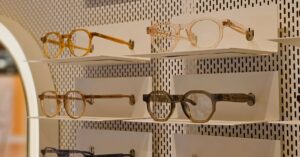
Our designer frame collection includes Cartier, CHANEL, Dior, Tom Ford, Gucci, Prada, Saint Laurent, Fendi, Oliver Peoples and Alain Mikli, along with accessible designer options such as Ray-Ban, Coach and Tory Burch. The right choice is a specific frame that clears your hearing aids, not a blanket claim that any entire brand is hearing-aid friendly. Styles and stock change, so call ahead if you have a particular model in mind.
Dr. Saher Sayed selects the practice’s frames, and our optical team helps compare face fit, lens compatibility and how eyewear sits in daily use. When an eye exam is needed, 30-minute exam slots allow time for questions; digital prescription testing and optional ultra-widefield retinal imaging are among the technologies available as appropriate. Those eye-care tools have different jobs from checking pressure behind your ears. For that, trying on and adjusting the frame with your hearing aids in place is essential.
Optical walk-ins and outside prescriptions are welcome. You do not need an eye exam just to browse or purchase eyewear. For glasses bought here, custom eyewear measurements and in-store fit adjustments support the final lens and frame position.
Which lightweight frame designs are worth trying first?
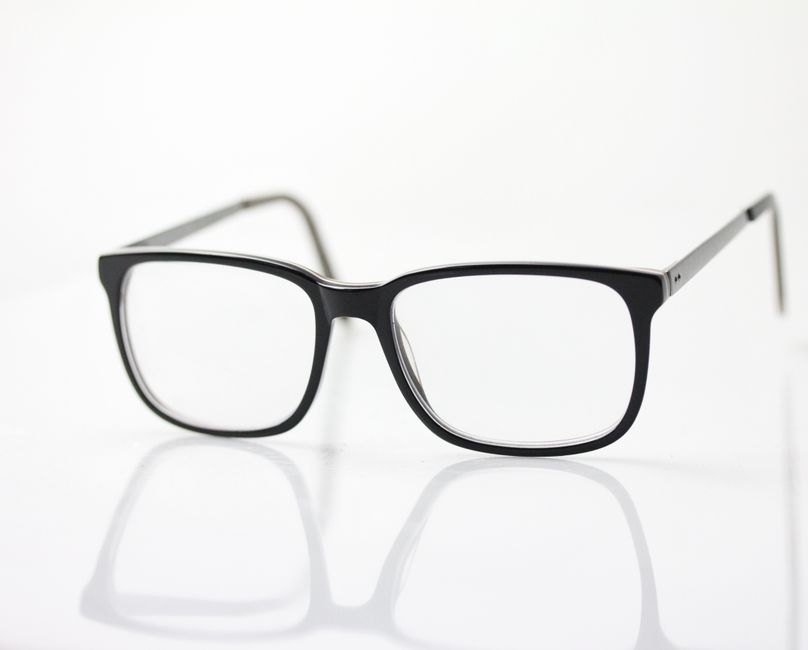
Rather than ranking brand names, compare how each design handles the small space above and behind your ear. Start with the temple profile, then check the nose bridge and the eventual prescription lenses. A side view often tells you more about hearing aid clearance than the front view.
| Frame approach | Why it may help | What to check in person |
|---|---|---|
| Thin metal temples | A narrow arm may occupy less space beside a BTE or RIC housing. | Does the temple sit comfortably beside the device without pushing it outward? |
| Lightweight titanium designs | Some designs combine low frame weight with slim temples. | Confirm the actual model’s arm shape and whether its adjustments are suitable. |
| Slim acetate styles | They can provide a bolder front without necessarily using a bulky arm. | Inspect the full temple, especially where it passes the top of the ear. |
| Semi-rimless or rimless styles | Less frame around the lenses may reduce frame weight. | Check lens mounting, prescription suitability and stability, not weight alone. |
| Frames with adjustable nose pads | A stable nose fit can reduce sliding and repeated friction at the ear. | Make sure the bridge supports the glasses without pinching the nose. |
Our first recommendation is a professionally fitted slim-temple designer frame at iDoctor. From there, the table is a way to compare construction choices, not a promise that one material is universally best. For a closer discussion of materials, see our earlier guide to acetate, titanium and metal frames in Glendale Heights.
Thin temples can help, but they cannot rescue a poor bridge fit
If the nose bridge is too loose, the glasses may slide and rely on the temple tips to stay in place. That can increase contact with the hearing aid every time you look down. If the frame grips too tightly at the sides, a slim temple can still push the device against your ear. The goal is balanced support, not simply less material.
Rimless does not automatically mean comfortable
A rimless front may look and feel light, but it still has temples, hinges and prescription lenses. Your finished lens choice affects weight and mounting suitability. For a strong prescription, an optician should assess whether the proposed frame shape and lens material work together before you select the frame. For a detailed discussion of mounting considerations, read our guide to lens materials for lightweight drill-mounted glasses.
Bold designer details belong in the fit conversation
Thick temples are part of the appeal of some statement frames. They may also occupy the same space as a hearing aid. That does not mean you must give up the look: compare models within the collection, including frames with a distinctive front and a slimmer arm. Have an optician inspect the whole side profile rather than choosing from a front-facing photo.

How to test glasses with your hearing aids before ordering
A careful try-on gives you more useful information than a frame label. Keep your hearing aids in their normal position throughout the comparison. Do not rearrange them to accommodate a frame that only works while the devices sit unnaturally.
- Bring your everyday setup. Wear the hearing aids you normally use, with their usual earpieces. Bring your current glasses too, especially if one pair feels better than another.
- Identify your reference pair. Tell us what works and what does not. Does your existing frame press on the right housing, slide when you bend down or catch a hearing aid when you take the glasses off?
- Try several temple profiles. Compare slim metal, lighter full-rim and other appropriate designs. Look at the frame from the side so you can see the contact point.
- Check both ears separately. Note whether either temple presses on the device, its tubing or wire, or the skin beneath it. A fit that works on the left may need a different adjustment on the right.
- Move as you normally would. Look down at a phone, turn your head and gently put on and remove the glasses. Watch for shifting or snagging.
- Consider the finished lenses. Ask how your prescription and chosen lens design affect frame weight and placement. Do this before finalizing a rimless or particularly large frame.
- Recheck the completed pair at pickup. Bring your hearing aids back. The finished glasses can sit differently from an unglazed sample frame, so assess them together before leaving.
A useful question to ask: “Can we check where this temple rests when both devices are on?” It directs attention to the interaction that matters more than the name of the frame material.
There is no single prescribed order for putting on glasses and hearing aids that works for everyone. Some people find it easier to position glasses first, then carefully place the hearing aids. Others follow a different routine recommended by their hearing-care professional. Whichever sequence you use, practice removing the glasses without pulling a device loose.
Lens choices and adjustments that affect comfort
Most pressure problems start with frame geometry, but lenses are part of the finished pair. Large lenses can change overall weight, while a stronger prescription can affect thickness depending on lens shape and material. Choosing the thinnest available material is not automatically the best weight or comfort decision. We consider the prescription, frame size, lens design and mounting together.
Our prescription lens options include single-vision lenses and progressives, with polycarbonate and high-index options where compatible. High-index materials may reduce thickness for some stronger prescriptions, but the finished weight and suitability depend on the individual combination. Every iDoctor lens includes an anti-reflective coating. Coatings can help with reflections, but they do not change a temple that presses against a hearing aid.
Progressives need a stable worn position
Progressive lenses place different viewing areas within the same lens. If a frame slides or sits unevenly because it conflicts with a hearing aid, those areas can move relative to your eyes. First settle the frame fit, then take the fitting measurements in the position you will actually wear. For eyewear purchased at iDoctor, Optikam digital measurements record details such as pupillary distances, fitting heights, pantoscopic tilt, frame wrap and vertex distance. These support lens positioning; they do not measure hearing aid fit or guarantee freedom from pressure.
What if the finished glasses hurt?
Return with the glasses and hearing aids so we can see the exact contact point. Eyewear bought at iDoctor includes complimentary lifetime in-store adjustments. A change in temple angle, alignment or how the frame sits on the nose may help when the frame allows it. Avoid bending a designer frame yourself, especially if you do not know how its materials and hinges respond.
If the hearing aid moves out of position, whistles or becomes uncomfortable even after the glasses are assessed, ask your hearing-care professional to check the device. An optician adjusts the eyewear; the person responsible for your hearing aids should assess their placement and operation. Ongoing pain, marked redness or broken skin deserves attention rather than more time trying to get used to it.
Best practices for daily wear
- Keep the first fitting realistic. Wear your hearing aids for the entire frame selection instead of trying frames without them.
- Choose a secure bridge over a tight temple. The glasses should not need to clamp the sides of your head to stay in place.
- Check the temple tip. The arm may clear the hearing aid housing yet press farther behind the ear.
- Notice the timing of discomfort. Immediate pinching and soreness that develops later are both useful details to share during an adjustment.
- Use the same test for sunglasses. Prescription sunglasses must share the same ear space, even if you wear them for shorter periods. For sun lenses, UV protection and glare control are separate questions from physical fit.
- Bring the whole setup for adjustments. A frame adjusted without the hearing aids present may feel different when both are worn.
If you regularly switch between everyday glasses and prescription sunglasses, test each pair with your hearing aids. One comfortable pair does not establish that a second frame will sit the same way.
Glendale Heights visits, insurance and timing
For frame shopping, visit during our regular hours, Monday through Friday, 9 am to 5 pm. We are closed Saturday and Sunday, and holiday hours may vary. If you also need a comprehensive eye exam, same-day or next-day appointments may be available. Call or check the scheduler for an opening rather than assuming a particular time is free.
We accept major vision plans, including VSP, EyeMed, Cigna Vision, Humana, Superior Vision, Davis Vision, NVA, Spectera and UnitedHealthcare Vision. Your specific eligibility, frame allowance, lens benefits and out-of-pocket costs need to be checked individually. Bring your vision plan information if you want help reviewing it before you buy.
Glasses typically take 7 to 10 business days; specialty or custom orders can take longer. We call or text when your glasses are ready. Plan to bring your hearing aids to pickup so the finished pair can be checked together with them.
FAQs about glasses and behind-the-ear hearing aids
Can I wear designer glasses with BTE or RIC hearing aids?
Yes. Start with frames whose temples leave room for your devices, then check bridge support and the finished lens weight. The best test is to try the glasses while wearing your actual hearing aids.
Are thin titanium temples always the most comfortable?
No. A slim titanium frame is a useful option to try, but its temple position, bridge and overall fit still determine comfort. A different well-fitted designer frame may work better with your ear shape and hearing aids.
Does iDoctor offer same-day appointments or weekend hours?
Same-day or next-day eye exam appointments may be available; call to check. Our regular hours are Monday through Friday, 9 am to 5 pm, and we are closed on weekends. You can walk in during business hours to shop for frames without booking an exam.
Which vision insurance plans can I use, and how long do glasses take?
We accept VSP, EyeMed, Cigna Vision, Humana, Superior Vision, Davis Vision, NVA, Spectera and UnitedHealthcare Vision, subject to individual benefit verification. Glasses typically take 7 to 10 business days, with longer timing possible for specialty orders.
What should I do if new glasses make my hearing aids uncomfortable?
Bring both items in for an eyewear fit check, rather than trying to reshape the frame yourself. If the hearing aids shift, whistle or remain uncomfortable, have your hearing-care professional check them as well. Glasses purchased here include lifetime in-store adjustments.
How to book today or try on frames
The most useful next step is to compare frames with your hearing aids on. Bring your current glasses, your hearing aids, your prescription if you have one and your vision insurance information. Our team can help you narrow the choices by temple clearance, bridge fit, prescription compatibility and the way you want the glasses to look.
Visit iDoctor at 132 E. Army Trail Rd., Glendale Heights, IL 60139. Call or text (630) 454-6899 to ask about frames or an available exam, or book your eye exam online. Optical walk-ins are welcome during regular hours.
A slim temple is a good place to begin, but the best lightweight designer glasses are the pair that stays comfortable with your hearing aids and prescription. We are here to help you find and fine-tune that fit in Glendale Heights.
At iDoctor