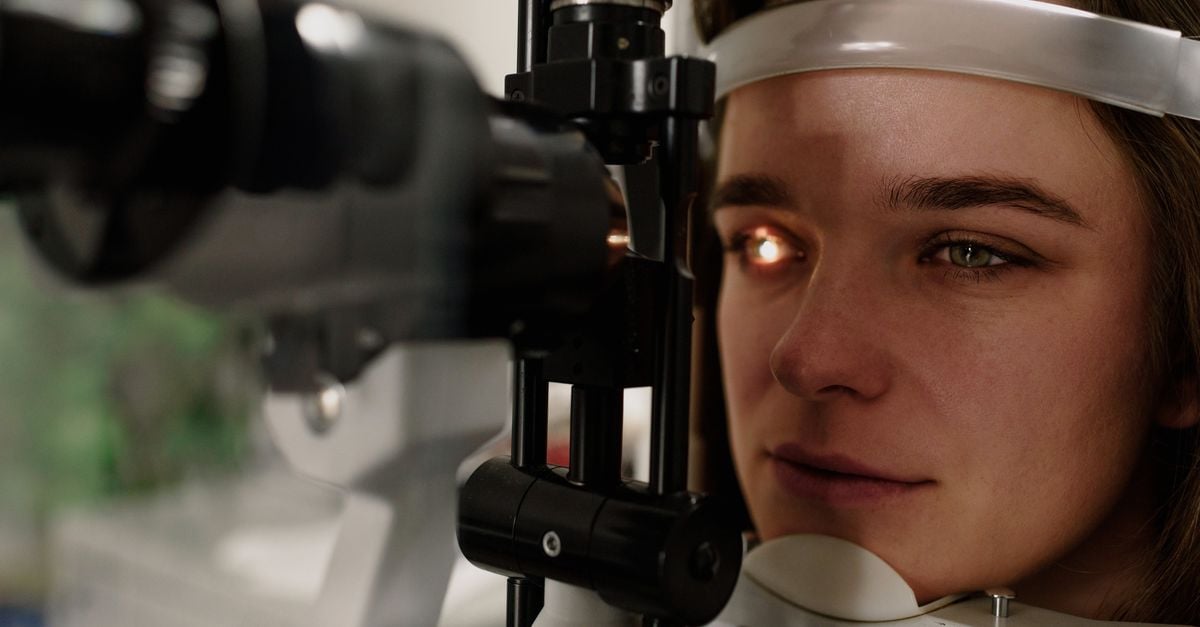
Noticing sudden eye floaters, black spots, or visual specks drifting across your field of vision can be alarming — especially if you have recently been dehydrated or out in the heat. The difference between a harmless annoyance and a sign of something serious, like a retinal problem, comes down to both the symptoms and how quickly you act. At iDoctor, we provide thorough exams in Glendale Heights to determine the cause, offer peace of mind, and protect your vision using advanced technology. If you need an eye doctor in Glendale Heights who explains everything clearly, our team is known for prompt, attentive care and same-day appointments.
Call iDoctor at (630) 454-6899 or book an eye exam online for a fast, thorough retina check in Glendale Heights. Urgent and next-day visits are available.
What Floaters and Black Spots Are – The Real Story on Dehydration and Your Retina
Floaters and black spots explained
Floaters appear as tiny spots, strands, or cobweb-like shapes that drift through your vision, most noticeable against a bright background. They are not on your glasses or the surface of your eyes but are small clumps inside the vitreous humor – the clear, gel-like substance that fills the back chamber of your eye. This gel is about 98% water and is supported by a network of collagen fibers. When these fibers clump or change, they can cast moving shadows on your retina — these are your floaters or spots.
Can dehydration cause eye floaters or black spots?
Dehydration itself does not usually directly create new floaters. However, losing water in your body can concentrate the gel inside your eye, making existing floaters more visible. Some patients find their floaters seem more obvious when dehydrated, their eyes are tired, or they spend long periods in the sun — but dehydration alone does not cause actual new clumps or damage.
- Primary causes of floaters include normal age-related changes, posterior vitreous detachment, retinal tears or detachments, inflammation, infection, or bleeding.
- Dehydration can make pre-existing floaters seem darker or more noticeable, especially if you’re also experiencing dry eye symptoms.
- Hydration improves overall eye comfort, but drinking extra water will not remove floaters already present in the vitreous.
Always keep in mind that a rapid onset of new black spots, flashes of light, or vision loss is rarely explained by dehydration alone and requires prompt retinal evaluation.

When are floaters an emergency?
- Sudden appearance of many floaters, especially if accompanied by flashes of light.
- Black spots that resemble a curtain or shade closing over part of your vision.
- Blurred or lost peripheral vision, side vision narrowing, or a shadow effect.
- Floaters associated with pain, severe redness, or a sudden drop in vision.
If any of these symptoms occur — even if you think dehydration or eye strain could be involved — schedule an exam promptly. These could suggest a retinal tear or detachment, which can lead to permanent vision loss if untreated.

Floaters and Retina Checks: Local Benefits of Choosing iDoctor in Glendale Heights
Patients throughout Glendale Heights, Bloomingdale, and Carol Stream appreciate iDoctor’s focus on direct explanations, rapid access, and advanced diagnostics for new floaters or black spots. Our boutique eye clinic is located just off Army Trail Road, a popular route from Glen Ellyn, Lombard, Addison, and Wheaton.
Clear, evidence-driven evaluation
- Detailed eye exams: Every floater or black spot evaluation starts with a careful case history and a thorough vision and eye health check. Our optometrist will ask about your recent hydration, medical issues, and exact symptom details.
- Advanced imaging (Optos Daytona): We offer ultra-widefield retinal imaging that photographs up to 200 degrees of your retina, often without eye dilation. This technology helps us spot subtle retinal tears, diabetic changes, or early macular degeneration.
- Gentle pressure and field tests: Using the iCare tonometer and digital visual field equipment, we screen for glaucoma and optic nerve issues. These pain-free tools provide a fuller picture of your eye health and are especially reassuring if you have other risk factors.
- Comprehensive insurance acceptance: Major policies including VSP, Eyemed, Cigna Vision, Humana, Superior Vision, Davis Vision, NVA, Spectera, and UnitedHealthcare Vision are accepted. Our staff verifies coverage before your visit and explains all out-of-pocket costs up front.
- Same or next day appointments: We reserve time each day for urgent eye visits so that sudden floaters or potential retina problems are not left to chance.

Community-driven proof points
- Located at 132 E. Army Trail Rd., near Jewel-Osco and the intersection of Army Trail and Bloomingdale Roads.
- Patients regularly come from Carol Stream, Glen Ellyn, and Lombard because of our local focus, modern technology, and personalized, unhurried exams.
- Easy parking directly out front and convenient for patients who travel from Addison or Wheaton — no crowded mall clinics or generic chain experiences.
iDoctor patient
How far do you have to go for a floaters or retina check?
Not far at all. iDoctor’s location off Army Trail Road serves Glendale Heights and surrounding communities, including easy access for those living in Wheaton or Addison. You do not have to wait weeks for a rushed chain appointment — most patients are seen same or next business day for urgent retinal checks.
Insurance and convenience
- Accepted plans include VSP, Eyemed, Cigna Vision, Humana, Superior Vision, Davis Vision, NVA, Spectera, UnitedHealthcare Vision, and more.
- For patients without vision insurance, our Value Package (approx. $125) combines frame, premium lenses, and anti-reflective coating at an affordable price.
- Fast turnarounds: Most glasses are ready in 7–14 days depending on lens complexity, with lifetime in-office adjustments included.
Looking to understand more about advanced technology for eye exams? Read our related blog: Advanced Eye Exam Technology in Glendale Heights: What Each Test Does and Why It Matters.
FAQs: Dehydration, Floaters, Retina Checks, and iDoctor (Glendale Heights)
Can dehydration cause floaters or new black spots?
Dehydration does not directly create new floaters but can make existing floaters more visible by altering the water content in the vitreous. If you notice sudden changes in floaters, do not assume it is just dehydration — reach out to iDoctor for a retinal evaluation.
Are floaters caused by dehydration permanent?
Most floaters are due to natural changes in the vitreous gel and do not disappear completely, though they may move out of the central vision over time. Staying hydrated supports general eye comfort, but once present, floaters rarely vanish just with increased fluid intake.
How does iDoctor check for retinal problems and new floaters?
We use a thorough clinical exam, gentle tonometry, and advanced widefield retinal imaging (Optos Daytona) to get a 200-degree view of the retina, usually without dilation. These methods are especially important for new floaters, flashes, or black spots.
Does iDoctor accept my insurance for floater or retina checks?
Yes. We accept all major vision plans (VSP, Eyemed, Cigna Vision, Humana, Superior Vision, Davis Vision, NVA, Spectera, UnitedHealthcare Vision) and will verify coverage and any costs before your appointment.
How long do new glasses take if I need an updated prescription after my exam?
- Single vision lenses: typically 7–10 days.
- Progressive or specialty lenses: closer to 10–14 days.
- Minor adjustments and repairs: completed on the spot, included at no charge.
How to Book a Floaters Evaluation or Retina Exam in Glendale Heights
If you experience new floaters, black spots, or flashes — or you simply want a thorough retina check — booking with iDoctor is straightforward and fast.
- Call or text: Reach us at (630) 454-6899 and specify your symptoms (new floaters, flashes, etc.).
- Book online: Use the iDoctor online form. We respond within one business day.
- Check insurance: Provide details on your vision plan or ask about our Value Package if uninsured.
- Prepare for your visit: Bring your current glasses, contacts, medication list, and insurance card.
- Learn your results: We walk you through your retinal imaging and explain everything clearly, whether the cause is dehydration, normal aging, or something requiring urgent care.
Call iDoctor in Glendale Heights at (630) 454-6899 or book your eye exam here for a professional, thorough evaluation with advanced imaging and personal attention.
For more on how boutique technology supports better eye health, see our blog on AI in Eye Care: How Technology Supports Better Exams Without Replacing Your Optometrist.
As Glendale Heights’ trusted boutique optical, iDoctor delivers answers, advanced care, and a curated eyewear selection for every vision need.