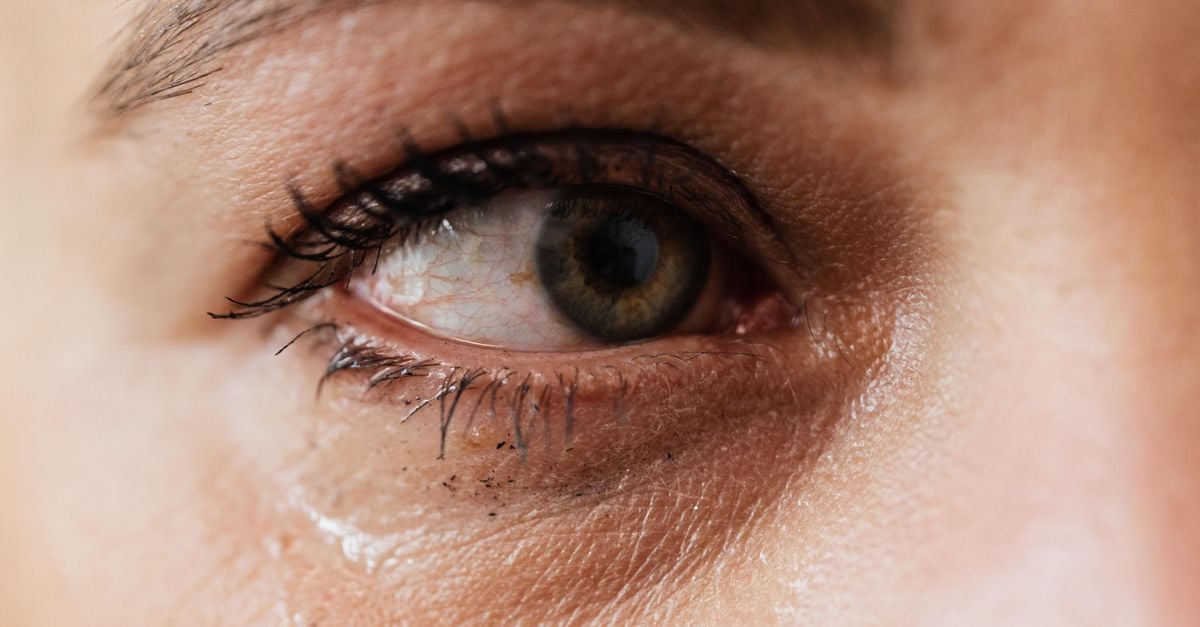
Dry eye is a complex condition that affects many people living in Glendale Heights and the western suburbs, but not all dry eye cases require the same solution. The key reason treatment plans must change is simple: some patients have evaporative dry eye, where tears evaporate too quickly, while others have aqueous-deficient dry eye, where the eyes do not produce enough tears in the first place. Accurately distinguishing between these forms is essential, because effective relief depends on treating the specific type. At iDoctor, we offer advanced diagnostics and personalized care for both evaporative and aqueous-deficient dry eye, right here in Glendale Heights. If you split time between Bloomingdale, Glen Ellyn, or Carol Stream, our convenient location near Army Trail and Bloomingdale Roads makes consistent care easy. If you’re searching for an eye doctor in Glendale Heights who explains your diagnosis and designs the right plan for your comfort, you’ll notice the difference at iDoctor.
Call iDoctor today at (630) 454-6899 or book an appointment online. Immediate and same-day availability is common.
What the service is
Dry eye disease is more than just occasional dryness or irritation. It’s a medical condition resulting from an unstable or inadequate tear film. The tear film consists of three main layers (oil, water, and mucous), and different types of dry eye disrupt different parts of this system. Understanding where your own tear film is breaking down is the core of successful treatment at iDoctor.
Evaporative dry eye
Evaporative dry eye typically occurs when the oily (lipid) layer of the tear film is thin or poor quality. Most commonly, this happens due to meibomian gland dysfunction (MGD), where the tiny glands in the eyelid edges don’t release enough healthy oil. Without this protective oil, tears evaporate too quickly, especially during screen use, in air conditioning, or windy conditions. At iDoctor, we use detailed exams and imaging to assess how your eyelid glands are functioning, which sets the foundation for an effective plan.
Aqueous-deficient dry eye
Aqueous-deficient dry eye occurs when your lacrimal glands do not make enough watery tears. Factors include age, certain medications, autoimmune conditions (such as Sjögren syndrome), or damage to the tear-producing glands. Unlike evaporative types, simply adding more oil or doing warm compresses won’t be enough—a deeper approach focused on increasing tear production, reducing tear drainage, and managing inflammation is crucial.
Why the treatment plan changes
Treating evaporative dry eye usually centers on restoring the oil layer: warm compresses, eyelid hygiene, and sometimes prescription therapies that improve oil flow. In contrast, aqueous-deficient dry eye plans may include preservative-free artificial tears, prescription anti-inflammatory medications, punctal plugs (to conserve what tears you make), or changes to medications when possible. Sometimes, a patient experiences mixed-type dry eye that needs a hybrid approach. At iDoctor, we take the time to identify your specific type so the recommended treatments address your needs for both immediate comfort and long-term eye health.

Local benefits in Glendale Heights
Glendale Heights residents—and those who visit from nearby communities like Bloomingdale, Wheaton, or Lombard—benefit from local care that is convenient and continuous. At iDoctor, you can expect:
- Personalized dry eye evaluations using advanced imaging, digital phoropters, and gentle eye pressure measurement (essential for protecting eye health)
- Modern screening for both meibomian gland health and tear production, so your treatment fits your real diagnosis
- Boutique optical expertise for those who need contact lens adjustments or lens recommendations for working comfortably on screens
- Flexible scheduling with same-day and next-day appointments, minimizing trips out of your way
- Acceptance of all major vision insurance plans (VSP, Eyemed, Cigna, Superior Vision, Humana, Davis Vision, NVA, Spectera, UnitedHealthcare Vision), plus a $200 value package for uninsured patients
Our location is just past Jewel-Osco, making it easy to reach from any direction—including Glen Ellyn or Addison. Whether you need ongoing dry eye treatment or just a tune-up after long winters or allergy season, iDoctor supports healthy, comfortable vision for every walk of life.
Boutique attention and advanced technology
What makes iDoctor’s dry eye service stand out? It’s the hands-on approach, sophisticated diagnostics, and a team educated in both medical and refractive eye care. Dr. Saher Sayed and our staff combine:
- Experience from both private and corporate optometry settings
- Optomap widefield retinal imaging for comprehensive health checks
- Gentle tonometry for early glaucoma detection (especially important for dry eye patients at higher risk)
- Expert, patient-first support for choosing eyewear that reduces eye fatigue and dryness symptoms
iDoctor patient: “The doctor explained my prescription clearly, used visuals, and took the time to help me understand why I was struggling to see comfortably.”
That personalized guidance, combined with advanced equipment, helps patients across Glendale Heights and neighboring communities feel confident about their care plan. For a related look at how dry eye and allergy symptoms differ in winter, see our guide on seasonal eye challenges.
FAQs
Can I tell the difference between evaporative and aqueous-deficient dry eye by symptoms alone?
No. Both types can cause burning, redness, grittiness, and fluctuating vision. Clinical testing—like tear breakup time, gland imaging, and Schirmer testing—is essential for an accurate diagnosis.
What tests help diagnose dry eye at iDoctor?
We use a blend of modern tear breakup time exams, digital evaluation of meibomian glands, Schirmer’s testing, and live slit lamp assessment to distinguish your dry eye type during a comprehensive exam.
Is one type of dry eye more common?
Yes, evaporative dry eye is more frequently diagnosed, especially in patients with meibomian gland dysfunction. However, many experience a mix of evaporative and aqueous-deficient patterns, which is why individualized plans matter.
Does dry eye therapy go beyond eye drops?
Absolutely. Warm compresses, eyelid hygiene routines, anti-inflammatory drops, punctal plugs, medication review, and customized lens recommendations can all be part of the solution, based on your needs.
Do major vision insurances cover dry eye visits?
iDoctor accepts VSP, Eyemed, Cigna Vision, Humana, Superior Vision, Davis Vision, NVA, Spectera, and UnitedHealthcare Vision. Our team reviews your coverage and explains benefits clearly before your exam.
Is parking available, and do you offer same-day appointments?
Yes, free parking is directly in front of the office, and same- or next-day appointments are usually available even during busy times.
How long does it take to get new glasses or contacts if I need them?
Standard eyeglasses are typically ready in 7–10 business days, and most contact lens orders can be picked up in just a few days. Our team keeps you updated throughout the process for a smooth experience.
How to book today
If you’re noticing frequent dryness, gritty or burning eyes, blurry vision by afternoon, or contact lens irritation, the most important step is a professional evaluation. At iDoctor, your visit includes state-of-the-art diagnostics for dry eye and a step-by-step plan tailored to your diagnosis. To keep your eyes comfortable and vision clear all year, call (630) 454-6899 or book your dry eye exam online now at iDoctor in Glendale Heights.
For more local vision tips and detailed guides on related topics, explore our previous posts such as Lifitegrast for Dry Eye and summer dry eye relief in Glendale Heights.

If you need a dry eye evaluation or advanced optical fitting in Glendale Heights, Bloomingdale, or Carol Stream, iDoctor delivers leading care, designer style, and personalized solutions for every step of your eye health journey.