Sudden, temporary vision loss in one eye is an alarming symptom that requires a clear, immediate plan. While some episodes last only seconds, even brief vision changes can signal a serious threat to eye health, including blood flow issues or optic nerve problems. If you experience this symptom in Glendale Heights, rapid assessment is crucial. At iDoctor, our team uses advanced diagnostics to clarify the cause quickly for residents in Glendale Heights and nearby areas including Bloomingdale, Glen Ellyn, and Carol Stream.
What is Temporary Vision Loss in One Eye?
Temporary vision loss in one eye—sometimes called transient monocular vision loss or amaurosis fugax—refers to vision in one eye becoming blurry, faded, grayed out, or absent for seconds to minutes. This sudden change might resolve on its own but should never be ignored, as it can indicate blood vessel problems (including mini-stroke/TIA), retinal disease, or optic nerve disorders.

Most Common Causes
- Reduced blood flow (amaurosis fugax): Most often from a small blockage or narrowing of blood vessels in the neck (carotid artery disease) or eye. May be an early warning for stroke or TIA.
- Retinal migraine: Temporary loss of vision in one eye, often followed or preceded by a headache.
- Acute angle-closure glaucoma: Sudden blocking of fluid in the eye causing pressure build-up—may cause pain, halos, redness, and rapid vision loss (always an emergency).
- Optic neuritis: Inflammation of the optic nerve, sometimes due to autoimmune processes.
- Retinal artery or vein occlusion/detachment: Sudden blockage or tearing in the retina, which may cause a curtain-like shadow or severe blurring.
- Dry eye or tear film disturbance: Brief intermittent blurred vision, often clearing with blinking.
Urgency: When is Temporary Vision Loss an Emergency?
Temporary vision loss in one eye is considered urgent if it is sudden, painless, lasts more than a few minutes, is associated with weakness, numbness, speech issues, or appears as a curtain/shadow. Such symptoms can signal serious threats, including:
- Impending stroke or TIA (mini-stroke)
- Retinal artery or vein blockages
- Acute glaucoma
- Severe optic nerve inflammation or vascular problems
In these situations, immediate evaluation—including a full medical eye exam and advanced imaging—is crucial to protect vision and overall health.
Local Benefits: Detailed Medical Eye Exams in Glendale Heights
Residents of Glendale Heights benefit from having fast access to thorough, technology-driven eye care. iDoctor delivers:
- Immediate or same-day appointments for urgent symptoms
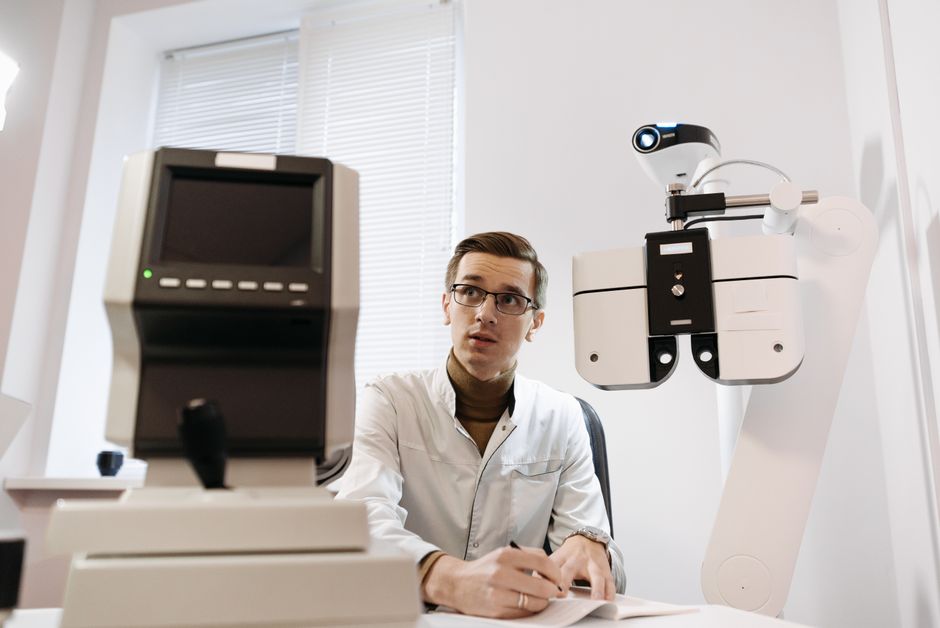
- Evaluation with digital phoropters, retinal imaging (Optomap), tonometry (eye pressure), and visual field testing
- Medical and refractive (eyewear) assessment in one visit, plus guidance on vision insurance and frame choices
- Boutique optical services for prescription eyewear following medical care, including precise lens fitting and luxury frames
- Location near Army Trail and Bloomingdale Roads—minutes from Bloomingdale, Glen Ellyn, Addison, Lombard, and Carol Stream
- Acceptance of major vision plans: VSP, EyeMed, Cigna Vision, Humana, Superior Vision, Davis Vision, NVA, Spectera, UnitedHealthcare Vision
Local proof point: Our clinic is located at 132 E. Army Trail Rd., just past Jewel-Osco, making it highly accessible from neighboring communities.
– iDoctor patient
Why Early Diagnosis Is Essential
Some causes of temporary vision loss—especially those related to blood flow or the retina—can quickly lead to permanent blindness or a major health event. In-office retinal imaging, eye pressure testing, and visual field assessments help us pinpoint the source, so urgent referrals or immediate treatments happen without delay. For non-emergent causes such as dry eye, our team addresses both medical needs and prescription or lens comfort in one place.
For more detailed information on how advanced eye exam technology works, see our recent blog: Advanced Eye Exam Technology in Glendale Heights: What Each Test Does and Why It Matters.
What to Do If You Experience Temporary Vision Loss in One Eye
- Write down when the symptom started, which eye is affected, how long it lasted, and any related symptoms (pain, headache, weakness, speech trouble, curtain shadow, etc).
- If vision loss is sudden or severe, do not wait—seek same-day care.
- Gather your glasses, contact lenses, medication list, and insurance card for your appointment.
- Describe if vision clears with blinking (suggesting dry eye), or if it remains dark/gray (higher urgency).
- Let your provider know if you have diabetes, high blood pressure, or a history of vascular problems.
- At iDoctor, our exams always check eye pressure, refraction, retina health, and optic nerve screening.

FAQs About Temporary Vision Loss in One Eye in Glendale Heights
Is temporary vision loss always a warning sign of stroke?
No. While it can indicate a mini-stroke (TIA) or upcoming stroke, other explanations include migraine, acute glaucoma, optic neuritis, or dry eye. However, stroke-like causes must be ruled out rapidly, especially if associated with weakness, slurred speech, or lasting deficit.
Do I need a same-day eye exam?
If you have sudden, painless, or recurring vision loss, same-day evaluation is strongly recommended. Several causes, such as retinal artery occlusion or acute glaucoma, require urgent action to prevent permanent vision changes.
Is it OK to wait if vision returned within seconds?
No. Even brief episodes can be a warning sign for blood vessel problems and should be checked, especially if they recur or you have vascular risk factors.
Can contact lenses or glasses trigger temporary vision loss?
Contact lens deposits, prescription changes, or poorly fitting eyeglasses can sometimes cause intermittent blur, often related to dry eye or tear film. If blinking fully restores vision, it is less urgent, but evaluation is still advised—especially if new or worsening.
Which insurances are accepted at iDoctor Glendale Heights?
We accept all major vision plans, including VSP, Eyemed, Cigna Vision, Humana, Superior Vision, Davis Vision, NVA, Spectera, and UnitedHealthcare Vision. Value packages are available for uninsured patients.
Is parking or weekend care available?
Ample parking is available on-site. Appointments are available most weekdays. For acute symptoms outside business hours, go to the nearest urgent care or hospital.
How to Book Today: Get Answers Fast in Glendale Heights
The safest approach to any episode of temporary vision loss is professional assessment as soon as possible. At iDoctor, you’ll find leading diagnostic capabilities, immediate scheduling, insurance-friendly care, and the time to answer all your questions. Our experienced optometrist, Dr. Saher Sayed, and the team make sure your visit covers both urgent medical needs and long-term vision comfort—whether you need high-resolution retinal imaging, gentle eye pressure checks, or precise lens fittings.
Call iDoctor Glendale Heights at (630) 454-6899 or book your appointment online.
Our office: 132 E. Army Trail Rd., minutes from Bloomingdale, Addison, and Glen Ellyn.
For additional details on urgent medical eye care or what to expect, read our related resource: Where can I get a medical eye exam in Glendale Heights if one eye is suddenly blurry or uncomfortable?
iDoctor is committed to clarity, comfort, and high-standard care—making us a top choice for anyone seeking a detailed eye exam in Glendale Heights or premium eyewear advice close to home.