Can I wear decorative contacts over my prescription contacts, or do I need one properly fitted lens?
Contents
Want a dramatic eye color without giving up clear vision? Do not put a decorative contact lens over your prescription contact lens. Two lenses in one eye can interfere with fit, movement and oxygen delivery. The better starting point is one contact lens prescribed and fitted for your eye that also provides the appearance you want, if a suitable option exists. For decorative contact lenses in Glendale Heights, our optometrist in Glendale Heights can assess your prescription and explain your options.
Even a lens sold as nonprescription or zero power needs its own contact lens prescription. If a decorative design cannot meet your visual needs in a suitable single lens, wear your usual prescribed contacts without an overlay, or ask whether glasses with a properly fitted decorative lens are appropriate for you.
Planning a color change or costume? Call or text (630) 454-6899 or book an appointment online. Tell us you want to discuss decorative contacts so we can help you plan the right type of visit.
What a decorative contact lens fitting involves
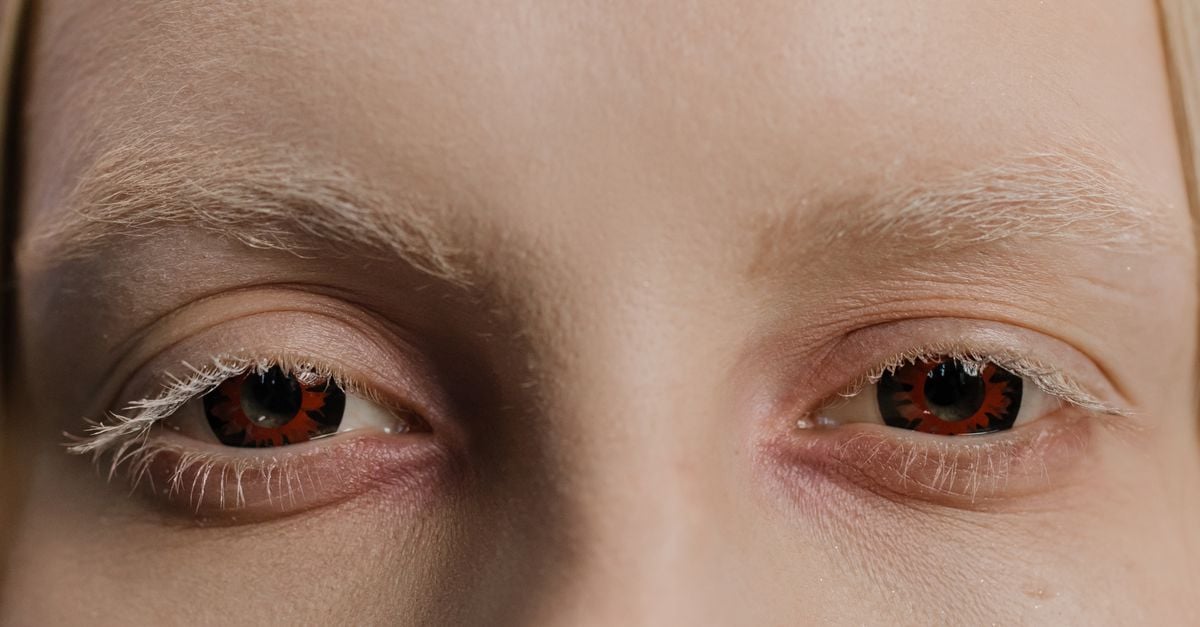
Decorative contacts change how the iris looks. They may be sold as colored, cosmetic, theatrical or costume lenses. Some have optical power, while others have no power at all. Neither description tells you whether a particular lens fits your eye. A zero-power lens still sits on the eye and must be fitted and prescribed.
The U.S. Food and Drug Administration treats decorative contact lenses as medical devices, not makeup. The Centers for Disease Control and Prevention likewise advises an eye examination, a prescription and proper care for decorative lenses. That applies whether you wear contacts every day, only at an event or not at all right now.
A fitting is more than reading an eye chart or selecting a color. An optometrist considers eye health, the shape of the front of your eye, the lens design and how a trial lens actually behaves when you blink. The clinician also checks whether vision remains useful for the tasks you expect to do while wearing it. If you already wear contacts, bring your current lens boxes or prescription. Your existing contact lens prescription identifies a particular fitted lens; it is not a blanket approval for a different colored product.
The key distinction: A prescription contact lens corrects vision. A decorative contact lens changes appearance and may also correct vision. A properly fitted lens is one that has been assessed on your eye for its intended use. Having the correct power alone does not establish a safe fit.
Why stacking lenses is different from fitting one lens
Your regular contact is fitted to rest on the eye. A decorative contact is also designed to rest on the eye, not to act as an accessory on top of another lens. Placing one over the other changes the surface each lens encounters. The result may be a different fit from the one evaluated when either lens was worn alone.
The American Academy of Ophthalmology warns that wearing two pairs of contacts can reduce the oxygen reaching the cornea and alter lens fit. Blur or discomfort may occur, but the absence of immediate discomfort is not proof that stacking is safe. A short event does not turn an unassessed combination into a prescribed one.
- Oxygen delivery: Each lens creates a barrier. Adding a second one can reduce the oxygen available to the cornea.
- Fit and movement: A lens tested directly on your eye has not been evaluated while sitting on top of another lens. Centering and movement can change.
- Vision: Two lenses can shift relative to one another. A decorative design may also limit the clarity you need in certain lighting.
- Handling: Two lenses create more opportunities for mix-ups, contamination or difficulty removing a lens.
Specialist-prescribed combinations of contact lenses exist for particular clinical needs. They do not make a prescription contact plus a costume lens a safe do-it-yourself arrangement. Unless your eye-care professional has specifically evaluated and directed a combination, keep to one fitted contact lens per eye.
Local benefits of a contact lens fitting in Glendale Heights
A local fitting gives you a chance to explain the look you want and the vision you cannot compromise. At iDoctor, Dr. Saher Sayed reviews eye health and prescription needs, and our contact lens exams and fittings use trial lenses to evaluate comfort and vision before a final choice. New wearers receive hands-on instruction for insertion, removal and care. Bring up dryness, past irritation or lenses that feel different as the day goes on.
Pretesting may include corneal-curvature readings from the Topcon KR-800. Dr. Sayed considers those readings alongside your symptoms and the examination; the instrument does not select a finished contact lens prescription on its own. Our practice also offers digital prescription testing and optional wide-view Optomap retinal imaging when appropriate. Those tools support broader eye care, while the on-eye assessment remains central to deciding whether a contact lens works for you.
Our Glendale Heights office is at 132 E. Army Trail Rd., near Army Trail Road and Bloomingdale Road, just past Jewel-Osco when traveling west from I-355 exit 29. That is a straightforward route for people coming from Bloomingdale or Carol Stream who would rather discuss a lens in person than guess from an online photograph. Our boutique optical team can also help with a backup pair of glasses if your decorative lens plans change.
Same-day or next-day appointments may be available. Call or check the scheduler for an opening rather than assuming a walk-in contact lens fitting can be completed immediately. We accept major vision plans including VSP, EyeMed, Cigna Vision, Humana, Superior Vision, Davis Vision, NVA, Spectera and UnitedHealthcare Vision. The team can check your particular exam and fitting benefits, copays and eligibility before you visit.
If you are considering a costume-specific look, our related article on getting costume contact lenses fitted safely in Glendale Heights explains why sourcing the lens matters as much as choosing its appearance.
Choose an option that works for both appearance and vision
Start with what you need to see, then discuss the color or effect. There is no useful shortcut in finding an attractive lens that leaves you unable to read comfortably, see consistently or tolerate the fit. These are the practical alternatives to stacking.
| Option | When to discuss it | What to check |
|---|---|---|
| One fitted decorative lens with prescription power | You want color or a design and need vision correction in the same lens. | Whether a suitable design exists for your prescription, eye health, fit and intended activities. |
| One fitted zero-power decorative lens with glasses | The appearance you want is available without contact lens power and you prefer correction in glasses. | The decorative lens still needs its own fitting and prescription. Confirm how well your glasses support the tasks you will do. |
| Your usual prescribed contacts, without an overlay | A decorative lens is unavailable, unsuitable or cannot be fitted before your event. | Keep using your current lenses as prescribed. Do not put an unapproved costume lens on top. |
| Prescription glasses without decorative contacts | Your eyes are irritated, you are taking a break from contacts or no appropriate decorative lens is identified. | Use a current glasses prescription and choose a comfortable pair for the setting. |
The first option depends on what is actually available and what can be fitted. For example, astigmatism may call for a toric lens, but that does not mean every decorative color or design comes in your toric prescription. Near-vision needs can add another consideration. Do not order a lens with an approximate power or try to make up the difference by layering it over a clear contact.
Our contact lens collection includes Air Optix Colors among the listed options, alongside other lens families for different visual needs. The fact that a family is listed does not mean every color, power or design will suit every wearer. An assessment determines what to trial and whether the result meets your needs.

How to get from an idea to a properly fitted lens
We recommend planning before the event or photo session, rather than buying an unfamiliar lens at the last minute. A fitting can involve trials and adjustments; an appointment opening does not guarantee that a particular decorative lens will be in hand that day.
- Describe the effect and the setting. Tell the optometrist whether you want a subtle color change or a costume design, and whether you plan to use the lens for photos, an event or ordinary activities. Mention driving, low-light settings and any tasks where clear vision matters.
- Bring what you already wear. Bring your glasses, current contacts and packaging or prescription if available. If you have already bought a decorative product, bring its box and details, but do not put it in your eye simply to demonstrate the look.
- Have your eyes and prescription assessed. The examination reviews eye health and visual needs. Corneal-curvature measurements help guide lens selection, but trial wear and the clinician’s assessment determine whether a proposed lens is suitable.
- Evaluate the lens on your eye. The doctor checks vision, comfort and how the lens sits and moves. Report blur, dryness, awareness of the lens edge or trouble seeing in the lighting relevant to your plans. A dramatic appearance is not a reason to overlook a poor fit.
- Learn the handling and care routine. New contact wearers practice inserting and removing lenses. Before leaving, make sure you know the recommended wear and replacement schedule, cleaning instructions where applicable, and what to do if irritation develops.
- Confirm the final prescription before ordering. A contact lens prescription is specific to the fitted product. Use its details when ordering, and ask the team about availability and timing if you have an event date.
For people who already wear contacts comfortably, it may be tempting to skip straight to step six. But fitting a new decorative design is not the same as reordering your established lenses. The existing lens has been evaluated on your eye; the new one has not.
Best practices for wearing decorative contacts
A properly fitted lens still needs careful handling. The FDA and CDC recommend treating decorative contacts with the same attention you give any other medical contact lens. That means following your prescribed routine, not a costume-shop label or a friend’s advice.
- Buy with a valid prescription. Use a seller that requests or verifies it. A claim that you can buy contacts without a prescription is a warning sign, even if the lenses have no vision-correction power.
- Do not share lenses. A lens prescribed for someone else’s eyes is not fitted to yours. Sharing also creates a hygiene risk.
- Wash and thoroughly dry your hands before handling lenses. Keep handling simple and follow the insertion and removal technique you were taught.
- Keep lenses away from water. Do not rinse or store them in tap water or saliva. Use the care products and instructions recommended for your specific lenses.
- Respect wear and replacement instructions. Do not stretch a single-use lens across multiple events or sleep in decorative contacts to make a long evening easier.
- Have glasses ready. If a lens becomes uncomfortable, you need a way to see after removing it. This is particularly important if you depend on correction to travel home.
If your eye becomes red, painful, unusually sensitive to light or suddenly blurry, remove the contact lens and seek prompt eye care. Do not put it back in to test whether the problem has passed. Severe pain, sudden vision loss or a serious eye injury calls for immediate emergency medical care, especially when our office is closed.
If symptoms began after costume contacts, our article on redness, pain or light sensitivity after Halloween contacts covers why those changes deserve attention. During office hours, you can also call us about an urgent medical eye exam. Do not wait for an online booking slot if symptoms are severe.
FAQs about decorative contacts in Glendale Heights
Can I wear a decorative lens over my regular contact just for one night?
No, do not improvise a two-lens combination for an event. Layering can change fit and reduce oxygen reaching the cornea, even if you intend to wear the lenses briefly. Ask about one appropriately fitted lens that addresses both appearance and vision, or use a different correction plan.
Do zero-power decorative contacts require a prescription?
Yes. Zero power means the lens does not correct your vision. It does not mean the lens is one-size-fits-all or exempt from fitting. The FDA says decorative contacts require a prescription, including lenses worn only for color or costume.
Can I get a same-day contact lens fitting, and are you open on weekends?
Same-day or next-day appointments may be available; call or check the online scheduler for current openings. Lens trials and product orders depend on the fitting and availability. Regular office hours are Monday through Friday, 9 am to 5 pm. We are closed Saturday and Sunday, and holiday hours may vary.
Will vision insurance pay for decorative contacts or their fitting?
Coverage depends on your plan and the service or product involved. We accept VSP, EyeMed, Cigna Vision, Humana, Superior Vision, Davis Vision, NVA, Spectera and UnitedHealthcare Vision. Contact us with your plan details so the team can check eligibility, fitting benefits and your expected costs. Plan acceptance does not guarantee coverage for a decorative lens.
What if my eyes are irritated before the event?
Do not wear a new decorative lens over an irritated eye or try to cover symptoms with another contact. Remove any lens you are wearing and call for an assessment. Seek immediate emergency medical care for sudden vision loss, severe pain or serious injury, including when the office is closed.
How to book a contact lens assessment today
If you want a particular color or costume effect, tell us what you are hoping for before you order anything. Bring your current glasses, contact lens information and questions to the appointment. We can assess whether a suitable single lens fits your eyes and vision needs, explain what a trial involves and help you make a plan if the design you want is not an appropriate match.
Visit us in Glendale Heights
Call or text (630) 454-6899, or choose an appointment online. Our office is at 132 E. Army Trail Rd., Glendale Heights, IL 60139, near Army Trail Road and Bloomingdale Road. Please mention decorative contacts when you contact us.
The safest choice is not to put a decorative lens over a prescription contact. It is to find out whether one fitted lens can provide the vision and appearance you want, and to have a clear alternative if it cannot. At iDoctor, we will help you work through that decision with a contact lens exam, practical care guidance and attention to how the lens actually performs on your eye.
At iDoctor