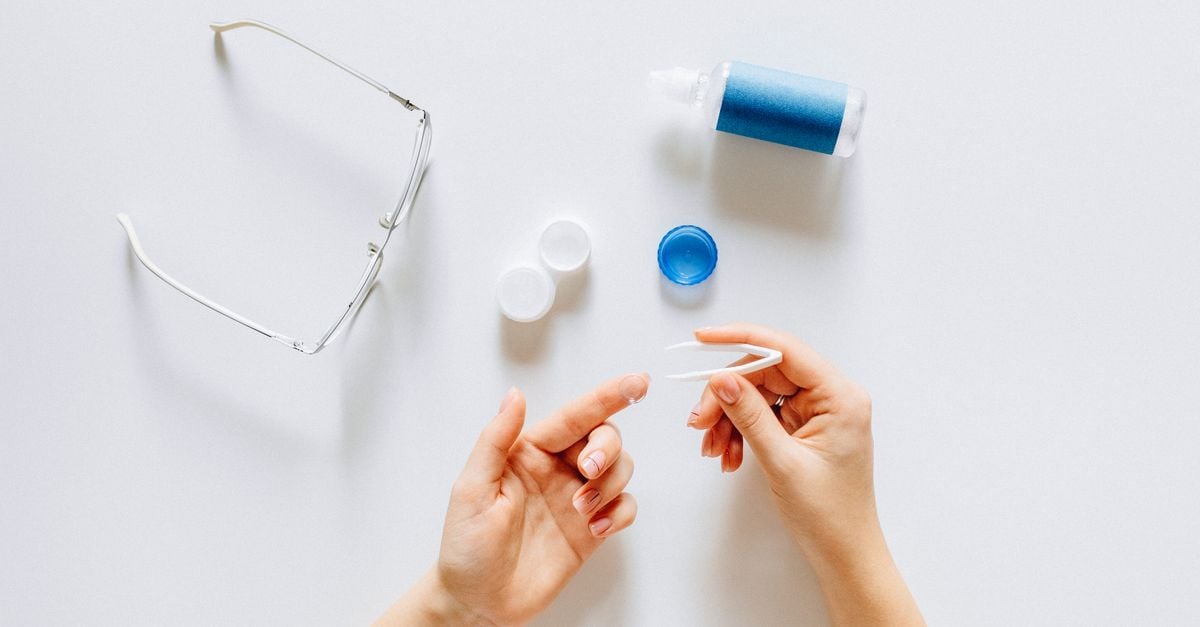
Cloudy Contacts After Insertion: Contact Lens Care in Glendale Heights
Cloudy vision the moment you insert a contact lens usually points to something on the lens, a damaged or poorly positioned lens, or an uneven tear film. Take the lens out rather than trying to see through persistent haze. In Glendale Heights, a contact lens exam can help identify why the problem keeps happening and whether your lens care routine, fit, or eye surface needs attention. If you need help with contact lenses in Glendale Heights, iDoctor can evaluate both the lens and your eyes.
Cloudy vision that will not clear? Call iDoctor at (630) 454-6899 or book an appointment online. If you have pain, redness, light sensitivity, or blur that remains after removing the lens, ask for prompt medical eye care.
The timing matters. Blur that starts immediately after insertion makes a torn edge, residue from handling, an inside-out soft lens, or a surface that is not wetting evenly worth checking first. Blur that appears after hours of wear raises somewhat different questions about deposits, dryness, and wearing time. Neither pattern proves a diagnosis. The safest useful test is to remove the lens, inspect it with clean hands, and notice whether your vision returns to normal in glasses.
What a contact lens exam checks when vision turns cloudy
A contact lens exam evaluates more than the numbers in a glasses prescription. The clinician checks eye health, assesses how a lens sits and moves on the eye, and considers whether its material, design, replacement schedule, and care products suit the wearer. That distinction matters when a lens looks clear in its package but produces haze as soon as it touches the eye.
At our contact lens exams, we use a detailed eye-health assessment, corneal mapping, digital measurements, trial pairs, and follow-up adjustments as appropriate. Dr. Saher Sayed brings experience in optometry and uses advanced diagnostics and high-resolution imaging to support personalized care. Our boutique optical team can also help coordinate contact lenses with backup prescription eyewear, so a lens problem does not leave you without a practical way to see.
It helps to separate three questions before assuming the prescription is wrong: Is the lens itself clear and intact? Is it clean and prepared with the right products? Does your eye provide a stable surface for clear vision? A contact lens is an optical surface resting on the eye. A small defect, a film transferred from a fingertip, or tears that do not spread evenly can each make that surface less clear.

Local benefits of contact lens care in Glendale Heights
Being able to bring in the actual lens, case, and solution is more useful than trying to describe a cloudy lens from memory. Our Glendale Heights office is at 132 E. Army Trail Rd., near Army Trail and Bloomingdale Roads, just past Jewel-Osco. The location is also convenient for people coming from Bloomingdale or Carol Stream. If the problem keeps recurring, bring the lens packaging and the care products you use so we can discuss the complete routine rather than guessing from the blur alone.
Appointments are often available the same or next day. Call to check the current schedule, particularly if your eye is uncomfortable or vision stays blurry after the lens comes out. We accept major vision insurances including VSP, EyeMed, Cigna Vision, Humana, Superior Vision, Davis Vision, NVA, Spectera, and UnitedHealthcare Vision. Our team can verify your particular benefits; coverage for a contact lens fitting and coverage for a medical eye problem may differ.
How to distinguish damage, residue, and tear-film blur
Lens damage: a defect that cleaning cannot fix
A soft contact lens can have a nick, split edge, irregular shape, or damaged surface that is hard to notice while it sits on a finger. Once inserted, the defect may interfere with vision, scratch or irritate the eye, or make the lens feel as if something is caught underneath it. A damaged lens should not be worn again. Do not try to trim an edge, smooth a tear, or keep wearing it to see whether it settles.
Use clean hands and good lighting to inspect the whole edge and both surfaces. If a lens seems torn, misshapen, or persistently hazy, discard a disposable lens and use a fresh one only if your eye feels normal. If discomfort continues after removal, leave contacts out and arrange an examination. A lens can look nearly normal yet still be unsuitable for wear, so repeated discomfort deserves more attention than a quick visual check.
Replacement age matters too. A daily disposable is designed for one day of wear and should not be cleaned for reuse. Reusable lenses need the care and replacement schedule prescribed for that particular lens. If an older reusable lens stays cloudy after appropriate cleaning, switching to a fresh lens may tell you more than repeatedly cleaning and reinserting the same one.
Solution or handling residue: a film present before wear begins
Sometimes the problem is not damage at all. Lotion, sunscreen, makeup, soap, or other products on your fingers can transfer to the lens during insertion. A surface film can look like a smear, reduce sharpness immediately, and be especially noticeable when you look toward lights. A lens that has been stored or handled incorrectly may also carry debris or deposits despite looking acceptable at first glance.
Use the cleaning and disinfecting system recommended for your lenses and follow its label, including any required rinsing or neutralization steps. Fresh solution belongs in a clean case; do not top off yesterday’s solution. Never use tap water, bottled water, or saliva to rinse a contact lens. Water and saliva are not substitutes for contact lens care products.
One important distinction: Not every product described as contact lens solution works the same way. Multipurpose products and hydrogen peroxide systems have different instructions. Never put unneutralized hydrogen peroxide solution directly into your eye or on a lens you are about to insert. If a lens causes intense stinging after you changed products, remove it, stop using that product until you understand the instructions, and seek care if symptoms persist.
If blur repeatedly starts with a particular bottle of solution, case, or handling routine, tell your optometrist. The appropriate change depends on the lens and the cause. Replacing a product at random, without checking how it is intended to be used, can make troubleshooting harder.
Tear-film instability: clarity changes as you blink
Your tears spread over the contact lens each time you blink. When that surface does not stay evenly wet, vision can fluctuate: a blink may briefly sharpen things, followed by another wave of haze. Dryness may also feel like grittiness or burning, but some people notice variable vision before they notice discomfort.
Long screen sessions, moving air, indoor heating, and other everyday conditions can make symptoms more noticeable. Dry eye, eyelid problems, and lens fit can also affect how well a lens wets. A contact lens that looks clear off the eye can still blur on an eye whose tear film is unstable. This is why replacing the lens does not always solve recurring cloudiness.
Ask which rewetting drops are compatible with your lenses before using them over contacts. Ordinary eye drops are not automatically suitable for contact lens wear, and drops should never replace proper cleaning or disinfection. If you need drops repeatedly just to make a newly inserted lens tolerable, a contact lens and eye-surface evaluation is more useful than continually masking the problem.
Other immediate causes: orientation, debris, or an unstable fit
A soft lens placed inside out may feel unusually mobile or uncomfortable and may not give stable vision. Before insertion, it should generally resemble a smooth bowl rather than a shape whose edges flare outward. This visual check is useful, though some lens designs are harder to judge by appearance alone. If you are uncertain, refer to the insertion guidance for your prescribed lens.
A trapped speck or bubble can also cause immediate blur or a foreign-body sensation. Remove the lens rather than rubbing the eye while the lens is in place. Clean and inspect a reusable lens according to its instructions; discard a daily disposable if it is contaminated or damaged. If the same problem continues with a fresh lens, the issue may involve lens movement, fit, your prescription, or the eye itself.

A safe step-by-step check when a contact turns cloudy immediately
- Pause and assess the eye. If you have significant pain, marked redness, light sensitivity, discharge, or a sudden drop in vision, remove the lens and seek prompt eye care. Do not put another lens into an irritated eye.
- Wash and thoroughly dry your hands. Clean hands reduce the chance of transferring new debris or skin products as you remove the lens.
- Remove the lens and switch to glasses. Ask whether vision clears once the lens is out. Do not drive while vision is blurred.
- Inspect the lens and its history. Check for a torn edge, visible film, debris, incorrect orientation, and whether the lens is still within its prescribed replacement period.
- Follow the care instructions for that lens. Discard a compromised daily lens. Clean a reusable lens only with its approved system and with fresh solution. Never improvise with water or saliva.
- Consider one fresh lens only if the eye is comfortable. A fresh, correctly prescribed lens that gives clear vision suggests the original lens was part of the problem, but it does not establish exactly why. If cloudiness recurs, stop repeated reinsertion and book an evaluation.
Keep the cloudy lens and packaging for your appointment if doing so does not require wearing it again. Tell us whether a fresh lens behaved differently. That comparison helps separate a problem with one lens from a problem involving your care routine or the eye’s surface.
What the pattern tells you, and what it does not
| What you notice | Possible explanation | Useful next step |
|---|---|---|
| One lens is hazy from the moment it goes in; a fresh lens is clear | Damage, a surface film, or debris on the first lens | Do not reuse the suspect lens; review handling and replacement habits |
| Both lenses sting immediately after a solution change | A product-use problem or irritation is possible | Remove the lenses, check the product instructions, and seek care if symptoms do not resolve |
| Blinking briefly sharpens vision, then haze returns | An unstable tear film or poor lens-surface wetting may contribute | Arrange an eye-surface and lens-fit evaluation if it persists |
| The lens feels scratchy and has an irregular edge | Possible lens damage | Remove and discard it; seek care if the eye stays uncomfortable |
| Vision remains blurry even after removing contacts | The problem may not be confined to the lens | Seek a prompt eye examination |
These clues guide the conversation, but they are not a home diagnostic test. A dry eye can coexist with deposits. A lens that is visibly clean may still fit poorly. And one-sided cloudiness does not always mean the lens is faulty. If your problem consistently affects just one eye, our related guide on why only one contact lens turns cloudy explains why the pattern deserves a closer look.
When cloudy contacts call for urgent attention
Stop wearing contacts and seek prompt assessment if you have pain, increasing redness, sensitivity to light, discharge, or reduced vision that does not clear after removing the lens. These symptoms are not a reason to try a different brand or another bottle of solution first. Contact lens wearers can develop eye problems that require examination and treatment.
For sudden or substantial vision loss, or severe symptoms when an eye clinic is closed, seek urgent medical care. If the eye is irritated, use glasses until an eye-care professional tells you it is appropriate to resume contacts. Bring the lens, case, and products you used if you can do so safely; they may help clarify the sequence of events.
Best practices for clearer contact lenses from insertion onward
- Start with clean, dry hands. Rinse soap off thoroughly and avoid transferring lotion or makeup onto the lens.
- Check each lens before insertion. Look at its edge, orientation, and surface rather than assuming a lens from a familiar package is fine.
- Respect the replacement schedule. Open a fresh daily lens each day; clean and replace reusable lenses as directed for the prescribed product.
- Use the correct care system consistently. Follow the specific label, use fresh solution, and keep water away from contacts and their case.
- Keep backup glasses available. If an eye is irritated or a lens is damaged, clear vision should not depend on putting that lens back in.
- Report recurring patterns. Note whether cloudiness starts immediately, whether blinking helps, whether it affects one eye, and whether changing to a fresh lens resolves it.
There is no single best lens for every person who experiences haze. Daily, biweekly, monthly, toric, and multifocal lenses address different needs. We also fit specialty lens types. A useful recommendation comes from checking the eye, observing lens performance, and discussing how you actually wear and care for your contacts, not from choosing a material based on an online list.
Frequently asked questions about cloudy contacts in Glendale Heights
Can I keep wearing a cloudy contact if my eye does not hurt?
If the haze persists, remove the lens. Inspect it and follow the care directions for its type. A disposable lens that is damaged or contaminated should be discarded. If blur returns with a fresh lens, arrange an exam even if the eye feels comfortable.
Does blinking help identify a tear-film problem?
Vision that briefly clears with a blink can suggest uneven wetting or an unstable tear film, but it does not rule out a lens-surface problem or a fit issue. Repeated blur after blinking is a reason to have the lens and eye surface assessed.
Are same-day contact lens appointments available in Glendale Heights?
Appointments are often available the same or next day, depending on the schedule. Call (630) 454-6899 to describe your symptoms and confirm the earliest appropriate visit. Pain, redness, light sensitivity, or persistent reduced vision may need a medical eye examination rather than a routine fitting.
Is the Glendale Heights office open on weekends?
Our listed hours are Monday, Thursday, and Friday from 9 a.m. to 5 p.m., and Tuesday and Wednesday from 10 a.m. to 3 p.m. Weekend hours are not listed. Call before visiting to confirm availability.
Which vision insurance plans can I use for a contact lens visit?
We accept VSP, EyeMed, Cigna Vision, Humana, Superior Vision, Davis Vision, NVA, Spectera, and UnitedHealthcare Vision. Benefits vary by plan and by the type of visit. Our team can check your coverage before your appointment.
How to book contact lens care today
When you contact us, describe whether the cloudiness starts with a new lens or a reused one, whether one or both eyes are affected, and whether your vision clears in glasses. Bring your current contacts or lens boxes, care solution, glasses, medication list, and insurance card. If you have an eye-health symptom, say so when you book rather than requesting only a prescription update.
Ready to find out why your contacts turn cloudy? Call iDoctor at (630) 454-6899 or book your Glendale Heights appointment online. We can assess your eye health and contact lens fit, then help you choose a practical next step toward clearer, more comfortable wear.