
Many people in Glendale Heights are surprised when they notice green, blue, or purple reflections on their anti-reflective eyeglass lenses, especially under indoor lighting, car headlights, or when taking photos. This colored sheen often leads to questions,why do certain coatings cause it, is it normal, and does it impact quality? At iDoctor, our boutique optical team provides clear answers, advanced anti-reflective options, and precise lens fittings for patients from Glendale Heights, Bloomingdale, Glen Ellyn, Addison, and all surrounding areas. Here, we break down what these reflections mean, what anti-reflective (AR) coatings do, and how to choose the best lens options for your needs.
What Are Anti-Reflective (AR) Lenses?
Anti-reflective lenses are glasses with one or more specialized thin layers applied to the lens surface. These layers reduce reflected light, making your lenses clearer and making it easier for others to see your eyes. Without an AR coating, standard plastic or high-index lenses often show noticeable white, glare-inducing reflections from lamps, computer screens, windows, and headlights,especially in photos or at night.
The AR coating allows more light to travel through the lens instead of bouncing back. This improves visual comfort, cosmetic appearance, and can enhance clarity, particularly when driving at night or working with digital devices. At iDoctor, we explain AR options during every lens consultation and offer boutique-grade coatings like Crizal, Eyezen blue-violet protection, and others tailored to each prescription and frame.
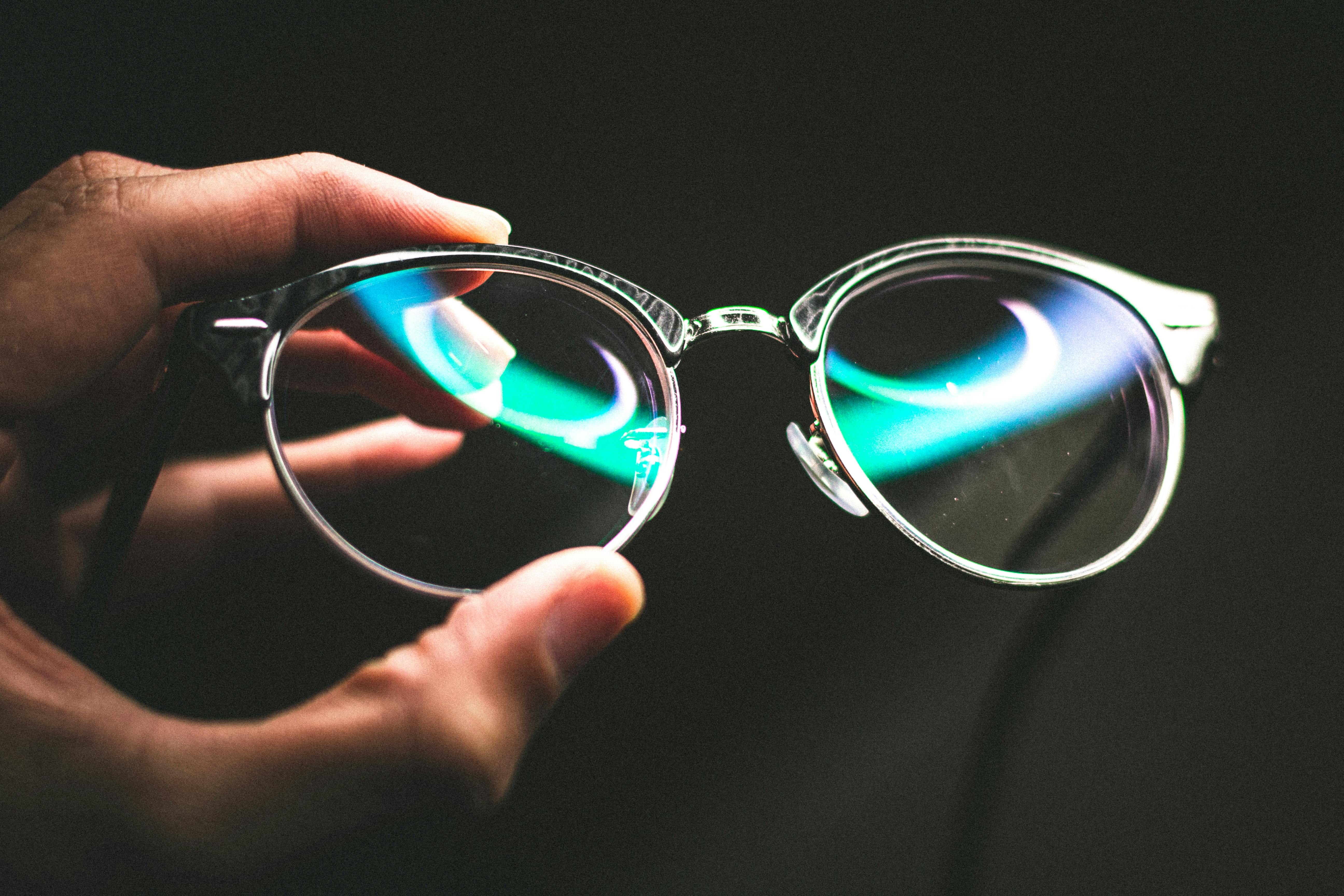
Definition: Why Do AR Lenses Show Green, Blue, or Purple?
The reason for colored reflections is physics,AR coatings use thin-film interference, a phenomenon where microscopic layers are engineered to cancel out certain wavelengths of visible light. As two or more reflected light waves meet, some cancel each other, and a faint residue remains, often appearing green, blue, or purple. This color varies by coating brand, chemistry, and angle of viewing, but is normal when present in modern lens coatings. It’s not a lens defect, nor does it mean your prescription is tinted.
You’ll typically see:
- Green Reflection: The most traditional residual color, common with foundational AR coatings. Indicates a strong glare reduction across most of the visible spectrum.
- Blue/Purple Reflection: Modern high-tech coatings and blue-violet blockers may shift the color. This is especially visible with digital screen lighting and photography.
When light hits the AR lens at different angles, the residual color may change. This reflection is only visible to those viewing the glasses and is not a tint across your visual field,it does not affect how you see through the lenses. If you want to compare lens materials and reflection colors side by side, the team at iDoctor can demonstrate differences in person.
Benefits of Anti-Reflective Lenses in Glendale Heights
For anyone looking for eyeglasses in Glendale Heights, adding a premium AR coating brings comfort and practical advantages:
- Clearer vision in bright sunlight, night driving, and digital device use
- Less lens glare in photos and web video calls
- Reduced visual fatigue for students, professionals, and drivers
- Sleeker look,friends see your eyes, not distracting white flash in your lenses
- Better performance for high-index or thin lenses (which would otherwise reflect more)
- Enhanced scratch and smudge resistance (especially on premium coatings)
Our boutique optical in Glendale Heights uses digital fitting technology and works with industry-leading coatings for patients from Glen Ellyn, Bloomingdale, Carol Stream, Wheaton, Lombard and Addison. We help match the right AR (and blue-violet protection if desired) to your exact prescription, frame, and lifestyle.

How Colored Reflections Work: A Step-by-Step Explanation
- Multiple coatings are applied: Each AR lens receives several ultra-thin layers (each smaller than the wavelength of visible light).
- Light hits the lens: Incoming light encounters the outer lens surface,some light reflects off the coating, some goes through.
- Thin-film interference: As light reflects off different layers, some wavelengths cancel each other.
- Residue color remains: Not every wavelength cancels completely, causing the lens to reflect a faint color (green, blue, or purple) depending on coating chemistry.
- Angle of view changes the effect: Tilting the lens or changing the light source may shift the color you see.
Premium coatings are designed for maximum transparency and least visible reflection, but no AR treatment can be 100% invisible. The slight color is evidence the coating is doing its job.
Green, Blue, or Purple: What Does Your Reflection Say?
- Green (traditional AR): Most common with classic anti-glare lens coatings. Works well for broad glare reduction.
- Blue/Purple (modern, blue-blocker, or photochromic): Often used for screens and LED lighting environments. Particularly effective on digital/blue-violet wavelengths, and typical with some blue-light filtering lens options, such as Eyezen by Essilor.
If you’re interested in which coating best fits your screen time, driving, or style needs, speak with the iDoctor team for side-by-side demonstrations and guidance.
Best Practices: How to Identify, Compare, and Care for AR Lenses
How to check if your glasses have an AR coating:
- Hold your glasses up to a lamp or phone flashlight.
- Tilt the lenses gently and look for a faint color sheen (green, blue, purple) instead of bright white light bouncing off.
- Compare to an old pair without AR,no AR will look much whiter and more distracting.
- If in doubt, bring your glasses to iDoctor to verify coating, prescription, and material.
Lens care tips,protecting your anti-reflective coatings:
- Clean lenses with a microfiber cloth and non-abrasive spray or mild soap, never with paper towels or window cleaner.
- Rinse debris away before wiping,dust or grit can cause micro-scratches in the coating.
- Store glasses in a firm case away from high heat, dashboards, or oven/top surfaces.
- Never use household cleaning chemicals or alcohol on AR-coated lenses. They can degrade the delicate hydrophobic layers.
If your coating cracks, peels, or shows odd swirls, the lens surface may be compromised. iDoctor provides in-store cleaning and lifetime adjustments on our eyewear, so your investment stays comfortable and clear for years.
Local Expertise: Anti-Reflective Coatings in Glendale Heights
At iDoctor, every lens fitting uses advanced measurements with Optikam to ensure the perfect alignment for your prescription and frame, whether you need single vision, digital-use, or progressive lenses. Our optometrist has extensive experience in both medical and boutique optical settings and uses widefield retinal imaging, gentle tonometry, and high-resolution digital phoropters for a complete, comfortable exam experience.
We serve families and professionals seeking boutique optical in Glendale Heights, right by Army Trail and Bloomingdale Roads. Many of our patients travel from Bloomingdale, Glen Ellyn, Carol Stream, Lombard, and Addison for our personalized, style-forward service and curated designer frame collections (including Cartier, Tom Ford, Gucci, and more).
Every pair of glasses is eligible for in-store lifetime adjustments. Our team ensures not only optical performance but frame comfort, prescription clarity, and a precise AR coating to suit your daily routines. Explore our lens and anti-reflective options
“The eye exam was incredibly thorough, and everything was explained in a way that made sense.”
, iDoctor patient
Insurance Accepted, Quick Turnaround, and Comfort for Every Patient
Most patients can use VSP, EyeMed, Cigna, Humana, Superior Vision, Davis Vision, NVA, Spectera, and UnitedHealthcare Vision for exams, glasses, or upgrades at iDoctor. We verify coverage up front before you order lenses, so you understand every benefit.
Appointments are often available same or next day. For those without insurance, our $125 Value Package offers frame, premium lenses, and AR coating in a wide style range subject to in-store availability.
Our location is near Jewel-Osco and moments from major routes connecting Bloomingdale, Glen Ellyn, Carol Stream, Lombard, and Addison. Look for our bright, design-focused store at 132 E. Army Trail Rd., Glendale Heights, IL 60139.
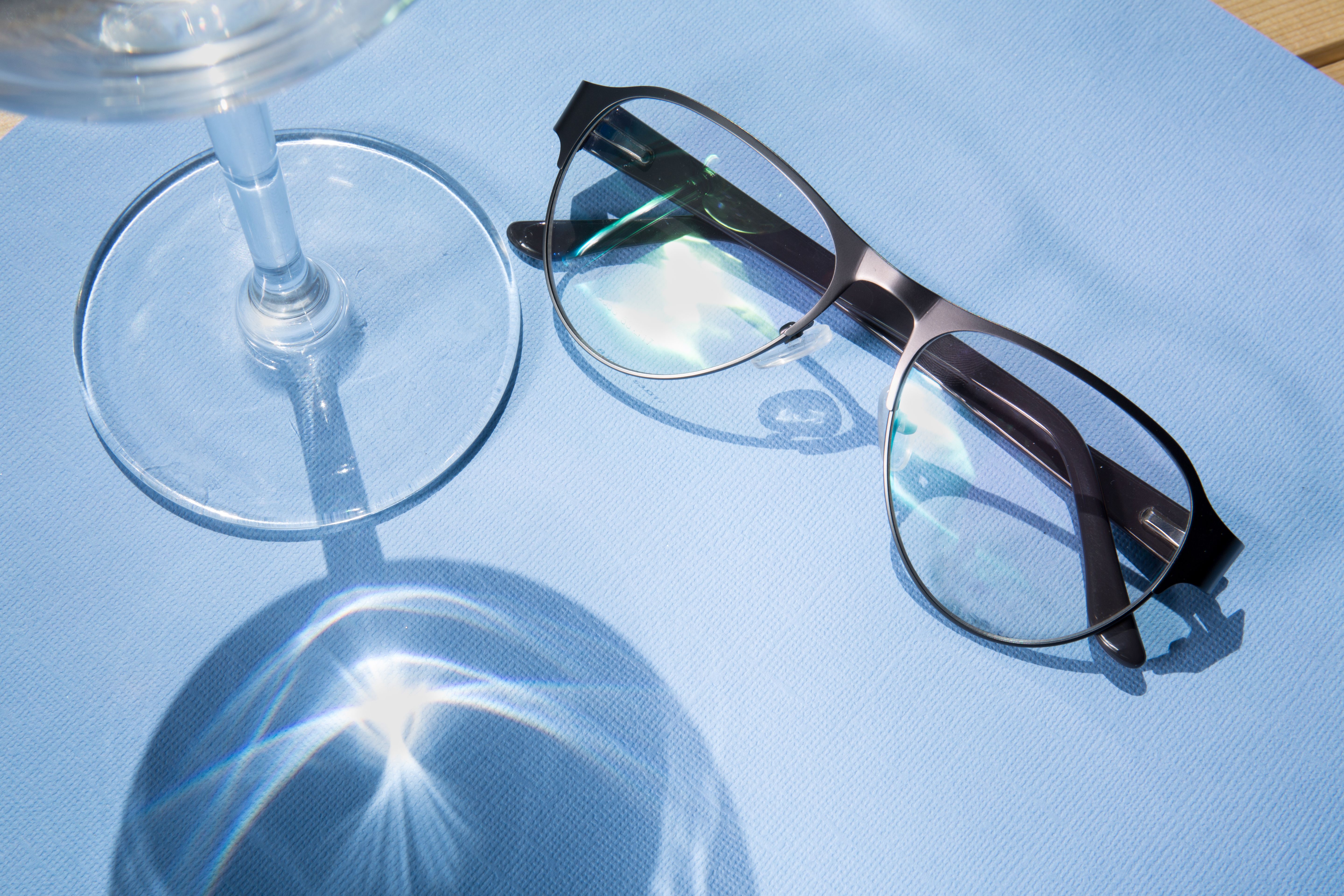
Frequently Asked Questions About AR Lenses in Glendale Heights
Are green, blue, or purple reflections normal on eyeglasses?
Yes. Faint green, blue, or purple reflections are usually evidence of a working anti-reflective coating. The color is visible only in certain lighting or angles and does not affect your vision through the glasses. If you have questions about your lens color, bring them to your fitting for review.
Does a blue or purple reflection mean my lenses block all blue light?
No. While some blue-light-specific coatings (like Eyezen) reflect more blue wavelengths, the visible reflection alone doesn’t indicate how much blue light is filtered. Ask your optician for specifications on transmission and protection levels or learn more about digital lens options.
Will anti-reflective lenses help with night driving glare?
Anti-reflective coatings minimize glare reflected from the lens itself. This often improves contrast and reduces eye strain from oncoming headlights and streetlamps but cannot eliminate glare caused by other issues like dirty windshields or eye conditions. For more information, see our article on driving and glare solutions.
How long does it take to get prescription glasses at iDoctor?
Turnaround varies by prescription, frame, and lens options. Standard single vision may be ready sooner, while customized progressives or specialty coatings can take longer. Our team provides timing estimates when you order. Read more about timelines in our blog: How long do glasses take?
What is the difference between standard and premium AR coatings?
Premium AR coatings (such as Crizal Rock or Easy Pro) usually offer greater resistance to scratches, smudges, and static, are easier to clean, and last longer. Standard AR cuts white glare but may require more frequent maintenance. Ask at your appointment for a direct comparison.
How to Book New Lenses or an AR Consultation in Glendale Heights
If you want eyeglasses with clearer vision, less glare, or modern blue-light filtration,and prefer a premium optical experience,schedule with iDoctor in Glendale Heights. Immediate appointments may be available, and the team will help you compare coatings hands-on, choose the perfect designer frames, and optimize fit using digital measurements.