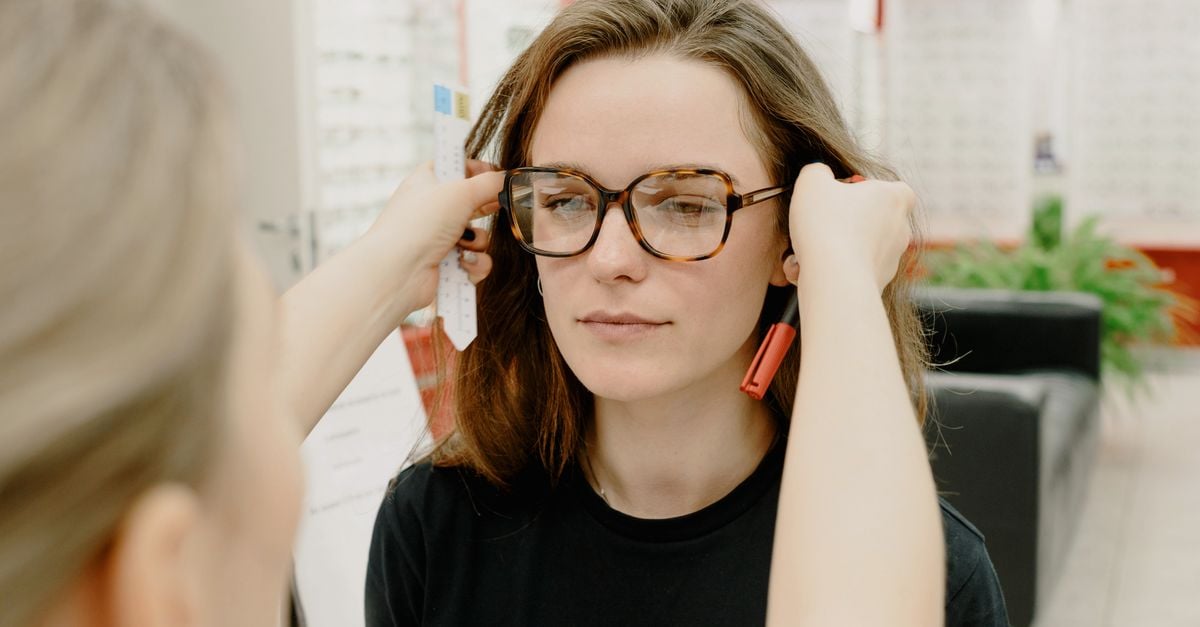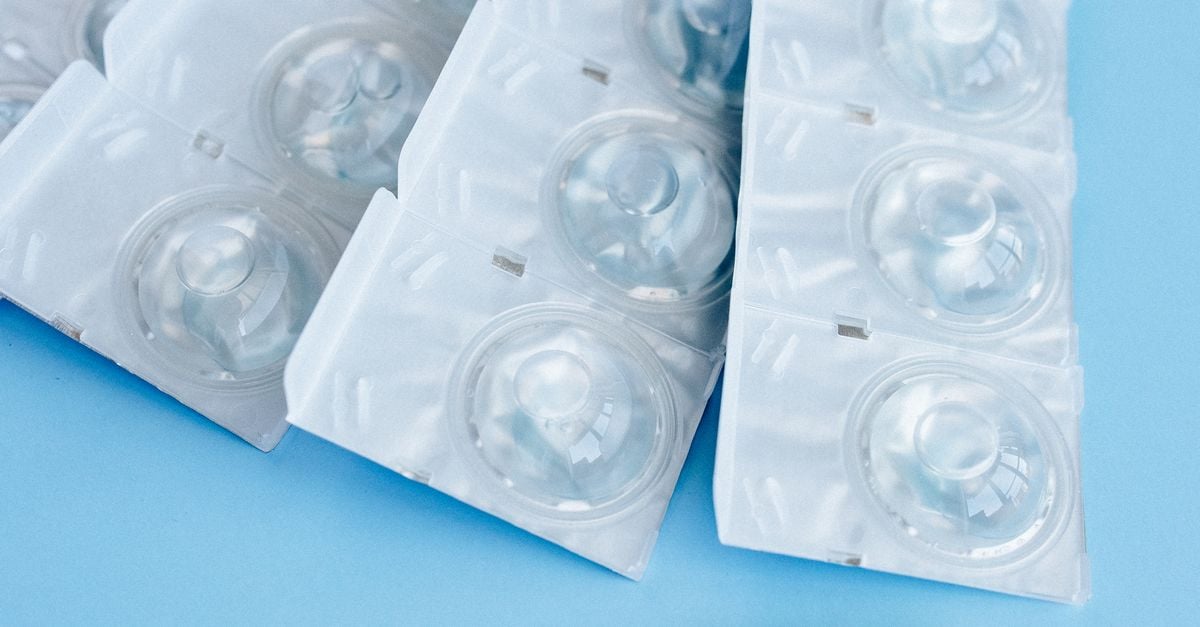
Keratoconus often leads to increasingly blurry, distorted, or uncomfortable vision that glasses or soft contacts cannot fully correct. Scleral lenses are an advanced solution for patients in Glendale Heights with keratoconus, offering clear, stable vision and a dramatically improved wearing experience. At iDoctor, we specialize in detailed scleral lens evaluations, making it possible for people across Glendale Heights and neighboring areas such as Bloomingdale and Glen Ellyn to access this specialized care locally. If you are searching for expertise and comfort in managing keratoconus, our boutique optical in Glendale Heights brings advanced technology and thorough care together for outstanding results. For local residents, this means you no longer need to travel to the city or distant specialty clinics—expert scleral lens fitting is available right here with rapid appointment access and major vision insurance acceptance.
Patients seeking a trusted eye doctor in Glendale Heights also benefit from our dedicated team, who prioritize comfort and precise vision outcomes every step of the way. If you want to learn more about how complex lens fittings actually work, see our related guide on advanced contact lens fitting for hard-to-fit eyes in Glendale Heights.
What Are Scleral Lenses and How Do They Work?
Scleral lenses are large-diameter, gas-permeable contact lenses designed to treat severe corneal irregularities like keratoconus. Unlike traditional contacts that rest on the sensitive cornea, scleral lenses vault completely over it, resting instead on the white part of the eye (the sclera). This design means:
- The lens creates a perfectly smooth optical surface, allowing light to focus accurately so vision is sharper and less distorted.
- A thin reservoir of sterile saline fluid fills the space between your eye and the lens, keeping the cornea hydrated and acting like a protective bandage.
- No part of the lens touches the cone-shaped area, dramatically improving comfort compared to older hard lenses.
For keratoconus, this means better clarity, less double vision, and all-day wearability—often long after glasses or soft contacts have stopped working well. Scleral lenses can also reduce ghosting, shadowing, and glare, particularly at night. Because every lens is custom-designed based on detailed corneal maps, patients get a solution tailored to their unique eye shape and daily vision needs.

Scleral Lenses vs. Regular Contact Lenses
- Scleral lenses do not touch the cornea, unlike smaller rigid or soft contacts, which can cause pain and poor centering with keratoconus.
- Stability: Their larger size keeps them stable during blinking and prevents lens decentration, which is essential for severe astigmatism.
- Tear reservoir: Hydrates and protects the cornea, often helping people with dry eyes or sensitive corneal tissue as well.
- Suitability: Most commonly prescribed after glasses or standard contacts fail for moderate to advanced cases.
Local Benefits of Scleral Lens Fitting in Glendale Heights
Choosing a local expert for your scleral lenses goes far beyond convenience. The fitting process for these advanced lenses is rarely a simple, one-visit experience. Multiple follow-ups are often needed to perfect comfort and vision, so being close to home matters—especially for those managing work, school, and family in Glendale Heights, Carol Stream, Addison, or Wheaton.
iDoctor stands out as an expert boutique optical in Glendale Heights because we combine hands-on expertise, advanced technology, and highly personalized service:
- Advanced diagnostics: Digital phoropters for precise vision checks, ultra-wide retinal imaging to monitor eye health, and digital corneal mapping for custom lens design.
- Boutique-level care: Dedicated 1:1 attention, trial lens selection, and staff that patiently explain and demonstrate every step of the process.
- Insurance expertise: Acceptance of all major vision insurances—VSP, Eyemed, Cigna Vision, Humana, Superior Vision, Davis Vision, NVA, Spectera, and UnitedHealthcare Vision—plus value packages for uninsured patients.
- Location convenience: Our office is at 132 E. Army Trail Rd., just past Jewel-Osco and near Army Trail and Bloomingdale Roads, minutes from major residential neighborhoods and connecting routes to Bloomingdale, Lombard, and Glen Ellyn.
- Immediate appointments available for new and existing patients.
“I’ve never had an eye doctor sit down and actually explain what’s going on with my prescription like Dr. Sayed did. She used visuals, answered every question with patience, and even helped me understand why I’ve been struggling to see…”
– iDoctor patient
The Scleral Lens Fitting Process: Step-by-Step
Every scleral lens journey at iDoctor begins with an in-depth evaluation and continues through a series of careful steps for optimal results.
- Comprehensive Eye Exam: Thorough screening for eye health and current prescription using digital phoropters, retinal imaging, and corneal mapping.
- Personalized Consultation: Discussion of daily visual needs, specific keratoconus challenges, comfort goals, and what you hope to achieve with specialty lenses.
- Diagnostic Lens Trial: Placement of a test scleral lens to observe comfort, vault (clearance), and centration. Adjustments are made on the spot.
- Custom Lens Design: Based on imaging and trial results, a custom lens is ordered to match your unique corneal shape and vision requirements.
- Fitting & Training: When the lens arrives, our team ensures fit, vision, and movement meet expectations. You will learn to insert and remove the lens, clean it, and troubleshoot common challenges.
- Follow-Up Adjustments: Scheduled check-ins (often 1-2 weeks after dispensing, then again at 3-4 weeks) allow refinement for maximum comfort and vision. Further lens adjustments are made if needed.

What to Bring:
- Current eyeglasses and previous contact lenses (if any)
- A list of any medications
- Your vision insurance card
- Pertinent medical history and prior contact lens prescriptions
- Questions about your work, lifestyle, or any history of discomfort
Realistic Results and What to Expect
Scleral lenses can substantially enhance vision, particularly for those with moderate to advanced keratoconus. Many patients achieve crisp distance vision (commonly 20/20), report significantly less ghosting or shadowing, and often replace the need for corneal transplant surgery. Comfort is usually excellent—most patients find scleral lenses more wearable throughout the day than any previous option. Outcomes do vary with level of corneal scarring, degree of disease, and overall eye health, so individual fitting is essential.
Common Handling and Comfort Challenges (and Solutions)
- Lens fogging: Fit or filling solution can be tweaked; staff will demonstrate methods for keeping vision clear.
- Insertion/removal: Detailed one-on-one training and repetition help overcome any learning curve. We use specialized tools like plungers when needed.
- Initial discomfort: Usually related to fit or technique, resolved by refining the edge design or teaching better application methods. Most discomfort fades quickly once the lens is optimized.

FAQs – Scleral Lenses for Keratoconus in Glendale Heights
Are scleral lenses good for keratoconus?
Yes. Scleral lenses are among the most effective non-surgical solutions for keratoconus, providing a smooth optical surface and enhanced comfort, particularly when other lenses are poorly tolerated.
Do scleral lenses hurt?
Scleral lenses are designed to be more comfortable than standard hard (RGP) lenses because they do not touch the sensitive cornea. Most discomfort is temporary and resolves with proper fit and technique.
How many visits does a fitting require?
Expect a minimum of 2-4 visits for the complete process: initial exam, lens trial, training, and at least one follow-up. Some cases require additional tuning; being local to Glendale Heights, Carol Stream, or Addison makes this much easier.
Is iDoctor convenient for patients from Bloomingdale or Lombard?
Absolutely. Our Glendale Heights location is a short drive from Bloomingdale, Glen Ellyn, Lombard, and other nearby suburbs, with free parking and easy access from major roads.
Is insurance accepted for scleral lens fitting?
Yes. We accept VSP, Eyemed, Cigna Vision, Humana, Superior Vision, Davis Vision, NVA, Spectera, UnitedHealthcare Vision, and more. Our staff always checks your benefits before starting the fitting process to minimize surprises.
How to Book Your Scleral Lens Evaluation Today
We have immediate and next-day appointments available, and every new fitting includes an advanced technology eye exam tailored for keratoconus.
If you have questions about transitioning from hard lenses, comfort concerns, or want more details about our advanced contact lens technology, reach out to our team. Discover why so many local families and professionals rely on our expertise for their most complex vision needs—even when other options have not worked.
Want to explore more about advanced contact lens care? Visit our blog on how advanced contact lens fitting technology helps people who have failed other lens trials in Glendale Heights.