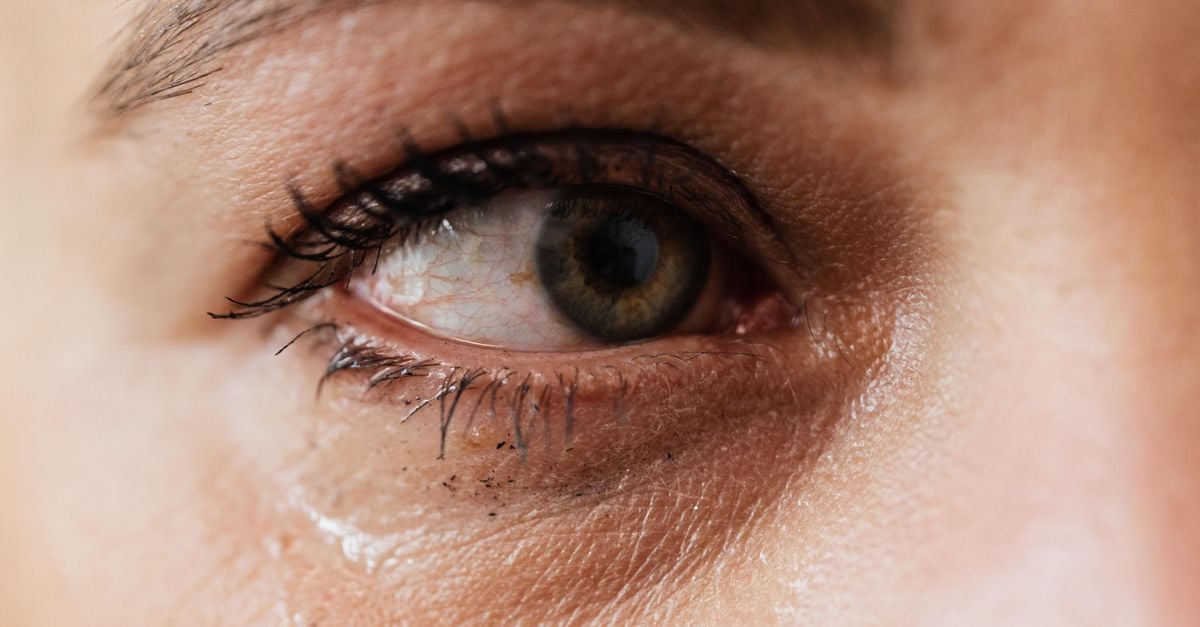
Dry, gritty, stinging eyes can make workdays and evenings in Glendale Heights harder than they need to be. Many patients are surprised to find that “just dryness” often signals issues with the tear film or eyelids, not simply a lack of moisture. At iDoctor, dry eye testing is designed around clarity and precision — connecting your symptoms to specific causes, so you do not have to rely on guesswork or over-the-counter drops without real improvement. Our practice provides advanced evaluation near common routes like Army Trail and Bloomingdale Roads, minutes from Bloomingdale, Addison, and Carol Stream. If you are searching for an experienced eye doctor in Glendale Heights who explains findings clearly and recommends personalized solutions, our team is ready to help.
What Is Dry Eye Testing and What Does It Check?
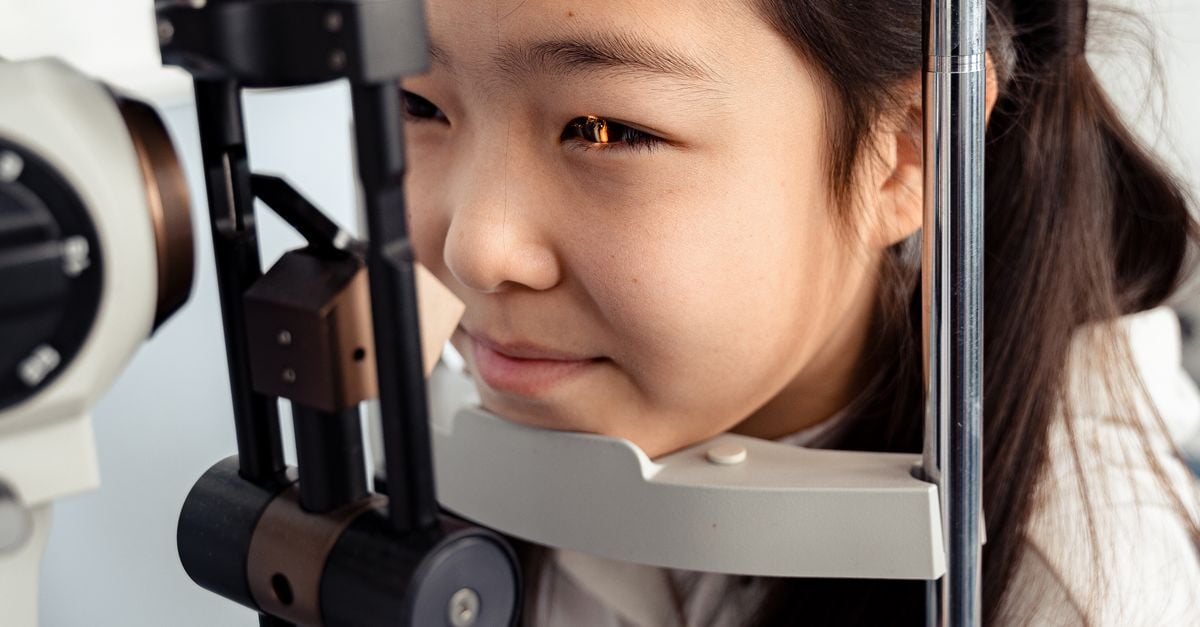
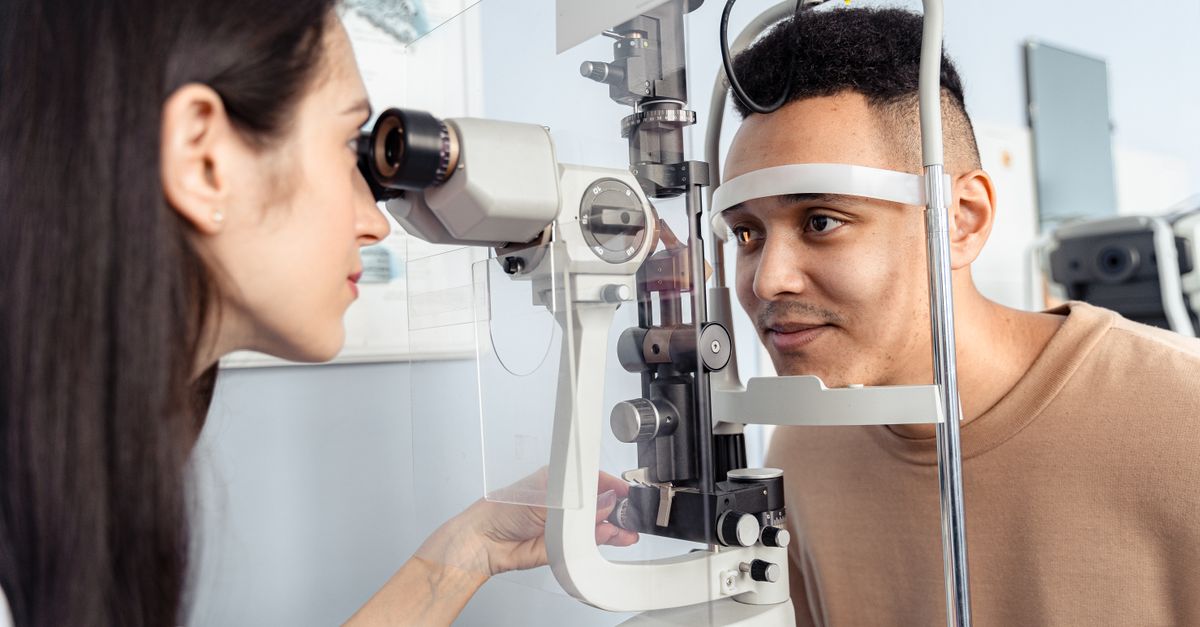
Dry eye testing is a structured exam that determines why your eyes feel dry, tired, or uncomfortable. It goes far beyond asking, “Do you use artificial tears?” to precisely identify whether the problem is due to poor tear quality, insufficient tear volume, eyelid issues, or underlying inflammation. At iDoctor, we use advanced diagnostic tools including digital imaging, gentle eye pressure measurement, and thorough eyelid assessment to pinpoint the source of dryness.
Typical Steps in a Dry Eye Evaluation
- Symptom review: Including burning, stinging, redness, watery eyes, blurred vision, discomfort during computer work or reading
- Medical and medication history: Identifies risk factors (age, allergies, autoimmune disease, certain prescriptions)
- Eyelid and blink exam: Checks for incomplete blink, redness, swelling, crusting, and gland clogging
- Tear film assessment: Measures tear stability and quality over time, often using non-invasive techniques
- Corneal and surface staining: Reveals dry spots or damage invisible to the naked eye
- Meibomian gland evaluation: Determines if the oil glands in the eyelids supply enough protective oil
These steps allow us to separate aqueous-deficient dry eye (not enough tears) from evaporative dry eye (tears evaporate too rapidly), which is crucial for matching you with the right treatment plan. This targeted approach often uncovers specific interventions that help when standard eye drops fall short. For a deeper dive on these distinctions, see our guide on evaporative vs aqueous-deficient dry eye.
How Tear Quality and Eyelids Are Evaluated at iDoctor
At iDoctor, our exams in Glendale Heights rely on a comprehensive, patient-centered method using the latest clinical tools. We emphasize identifying the underlying cause of your symptoms — an approach shaped by boutique optical standards, advanced digital technology, and the expertise of our board-certified optometrist. Our process includes:

Tear Film Evaluation
- Stability assessment: Monitors how long the tear layer remains smooth after a blink, since quick tear break-up means oil or mucus layers are likely inadequate
- Surface dye staining: Highlights damage or dryness too subtle for standard observation, especially in heavy computer users or contact lens wearers
- Symptom questionnaires: Quantifies the frequency and severity of discomfort to track changes over time
- Imaging and photography: Advanced systems allow magnified views of tear film patterns, gland details, and more
Impaired tear film is a leading cause of fluctuating vision: if your vision clears briefly after blinking but then becomes blurry, it’s a sign the tear film is not stable.
Eyelid and Meibomian Gland Assessment
- Lid margin inspection: Looks for redness, oil debris, crusting, or signs of inflammation
- Blink pattern: Checks for incomplete or irregular blinks that fail to spread tears across the eye
- Meibomian gland quality: Gentle pressure is applied to see if oil glands express healthy secretions or are clogged
- Surface review: Identifies irritation related to eyelash position, makeup, or chronic eyelid issues
Meibomian gland dysfunction is a major factor in evaporative dry eye, especially in suburban patients exposed to indoor heat, air conditioning, or long screen hours. Addressing this root cause has produced clear, lasting improvement for many at iDoctor.
“Dr. Sayed explained the prescription and exam findings clearly, using visuals and answering every question with patience.”
– iDoctor patient
Local Benefits of Dry Eye Testing in Glendale Heights
Many residents in Glendale Heights are balancing work commutes, family schedules, and heavy digital device use, putting unique demands on eye comfort. Here’s why booking with iDoctor delivers extra value compared to national chains or quick-fix solutions:
- Location near Jewel-Osco, Army Trail, and Bloomingdale Roads simplifies access whether you’re coming from Wheaton, Addison, Lombard, or Carol Stream
- Immediate, same-day or next-day appointments to minimize time away from work or school
- Acceptance of major vision insurances — VSP, Eyemed, Cigna Vision, Humana, Superior Vision, Davis Vision, NVA, Spectera, UnitedHealthcare Vision
- Competitive pricing for uninsured patients, including value packages with essential services
- Comprehensive answers for patients experiencing discomfort with contact lenses or digital eye strain
We support both medical eye exams and comfort-focused care. Our experienced team uses high-resolution imaging, digital diagnostic systems, and boutique-level attention for every patient. The iDoctor office design reflects our commitment to both accuracy and comfort for the entire community.

For families with both adult and pediatric concerns, our staff are skilled at gentle, effective exams for all ages. If dry eye is interfering with your ability to wear contacts, see clearly at work, or tolerate screens for school, our strategies are especially effective for suburban lifestyles.
More About Our Technology and Experience
- Advanced diagnostics: Digital phoropters, non-contact eye pressure checks, and widefield retinal imaging offer a deeper clinical view
- Personalized follow-up: We build care plans for dry eye that include medical treatment, eyelid hygiene, and lifestyle strategies when appropriate
- Local expertise: Dr. Saher Sayed is recognized for clear explanations, careful measurements, and a boutique optical approach to long-term vision comfort
Frequently Asked Questions About Dry Eye Testing
Does dry eye testing hurt?
No. The majority of dry eye tests are gentle, non-invasive, and completed in a few minutes. You may notice bright lights or mild drops, but most patients find the process comfortable.
What symptoms mean I should get tested?
If you experience frequent burning, stinging, tearing, light sensitivity, fluctuating vision, or a sensation that something is in your eye, a formal dry eye evaluation is recommended—especially if symptoms persist more than a few times per week. Timely testing is important for children, adults, and seniors, as dry eye may indicate broader eye health concerns.
Can eyelid problems cause dry eyes?
Yes. Inflammation, clogged meibomian glands, or incomplete blinking are frequent drivers of dry eye symptoms. Your eyelid margins play a key role in tear quality and eye surface protection, so we always include them in our exams.
Do you accept my insurance?
iDoctor accepts the full range of major vision plans, including VSP, Eyemed, Cigna Vision, Humana, Superior Vision, Davis Vision, NVA, Spectera, and UnitedHealthcare Vision. Our team will verify coverage and explain your options before care begins.
How quickly can I be seen?
Appointments are frequently available same day or next day. This flexibility means you can address new or worsening eye symptoms quickly, without a long wait.
How to Book Dry Eye Testing in Glendale Heights
Ready for clarity and real answers? Booking is easy and fast. Call iDoctor at (630) 454-6899 or reserve your appointment online here. Our location near Army Trail and Bloomingdale Roads is convenient from Bloomingdale, Addison, Carol Stream, and Glen Ellyn. Major vision insurance is accepted, and we offer competitive options for self-pay patients. You will always see a licensed eye care professional with expertise in advanced dry eye diagnostics and boutique optical care. If you want to explore how dry eye impacts contact lens comfort, we recommend reading our blog on best multifocal contacts for dry eyes.
Choosing a practice with boutique optical experience and advanced diagnostics ensures lasting relief and clear explanations every step of the way. To learn more about how we personalize your visit—whether for acute dryness or routine eye health—explore our Glendale Heights optometry services online. We’re here to help your eyes feel and see their best.