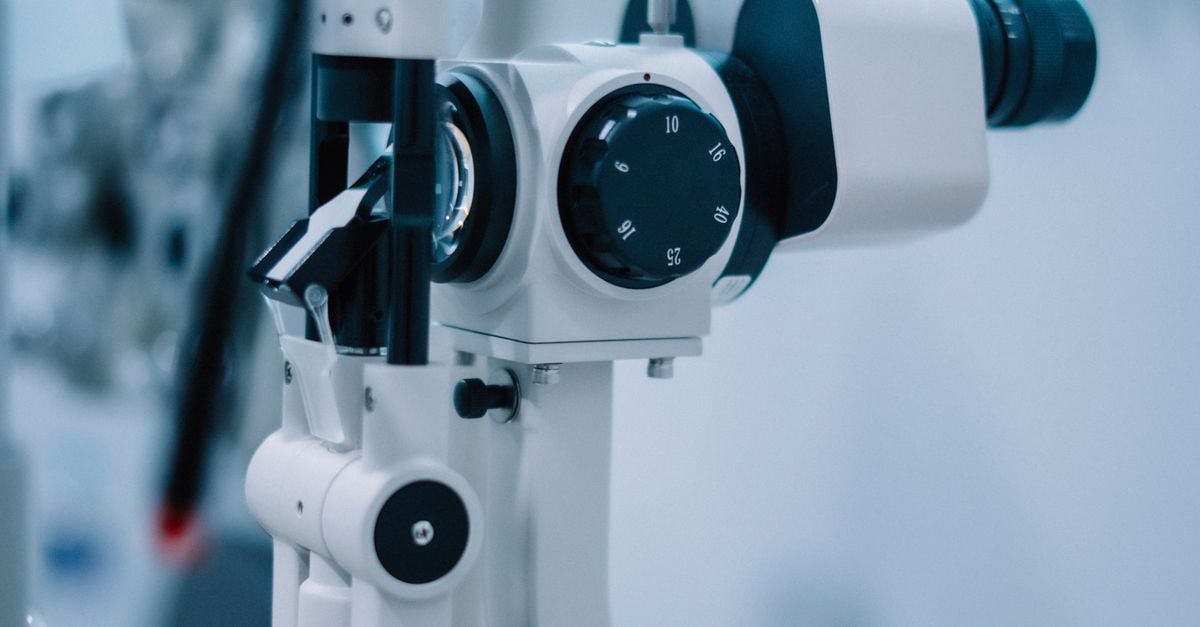
Vision problems often develop with no warning. Many Glendale Heights residents only discover issues after symptoms appear, but today’s technology enables early detection you can actually see and understand during your exam. Advanced diagnostic imaging at our local clinic gives you and your optometrist a crystal-clear look at the health of your eyes—far beyond simple eye chart tests. At iDoctor in Glendale Heights, every exam includes technology designed for accuracy and comfort. Modern eye exams serve not just Glendale Heights, but also nearby areas like Bloomingdale, Glen Ellyn, Carol Stream, and Addison.
What Is Advanced Diagnostic Imaging in Optometry?
Advanced diagnostic imaging encompasses a set of non-invasive technologies that create detailed, real-time images of the eye. This approach supports early diagnosis of diseases like glaucoma, diabetic retinopathy, and macular degeneration before changes become noticeable. At iDoctor in Glendale Heights, these technologies include Optomap widefield retinal imaging, OCT scans, digital phoropters, iCare tonometer, visual field testing, and Optikam digital eyewear measurements.

Key Types of Advanced Imaging at iDoctor
Ultra-Widefield Retinal Imaging (Optomap)
- Offers a 200° view of your retina, usually in less than half a second.
- Typically performed without dilation—so you can drive and resume activities immediately.
- Captures details missed by standard exams, including early diabetic or glaucoma changes.
During the scan, you’ll see a brief flash—no contact with your eye, no air puff, and no discomfort. Results are reviewed with you on-screen, using vivid images of your own retina.
Optical Coherence Tomography (OCT)
- Creates 3D cross-sectional images of your retina and optic nerve.
- Reveals microscopic structural changes, crucial for early diagnosis and monitoring.
As a patient, you simply look at a small light. The scan is painless and takes seconds per eye. The optometrist can show you colorful, layered images of your retina explaining any findings.
Digital Retinal Photography
- Captures a high-resolution photo of the back of your eye.
- Helpful for tracking changes in eye health year to year.
The camera flashes briefly, much like a smartphone, while you look at a small target. You and your doctor can review results immediately.
Visual Field Testing
- Measures your side and central vision, mapping potential blind spots or loss.
- Critical for monitoring glaucoma or neurological conditions.
You’ll focus on a central point, pressing a button each time you see a light in your peripheral vision. No discomfort is involved, and results print instantly for review.
Corneal Topography (Corneal Mapping)
- Analyzes the surface curve of your cornea in high detail.
- Used for contact lens fittings and detecting conditions like keratoconus.
You look into the device at a ring or target pattern. The mapping is completed in seconds, helping tailor your contact lens choices or future eye procedures.
iCare Tonometer – Eye Pressure Measurement Without the Puff
- iDoctor utilizes a gentle, tap-based probe to measure eye pressure, eliminating the need for the traditional air-puff.
- This method is fast and barely noticeable, even for children or sensitive patients.
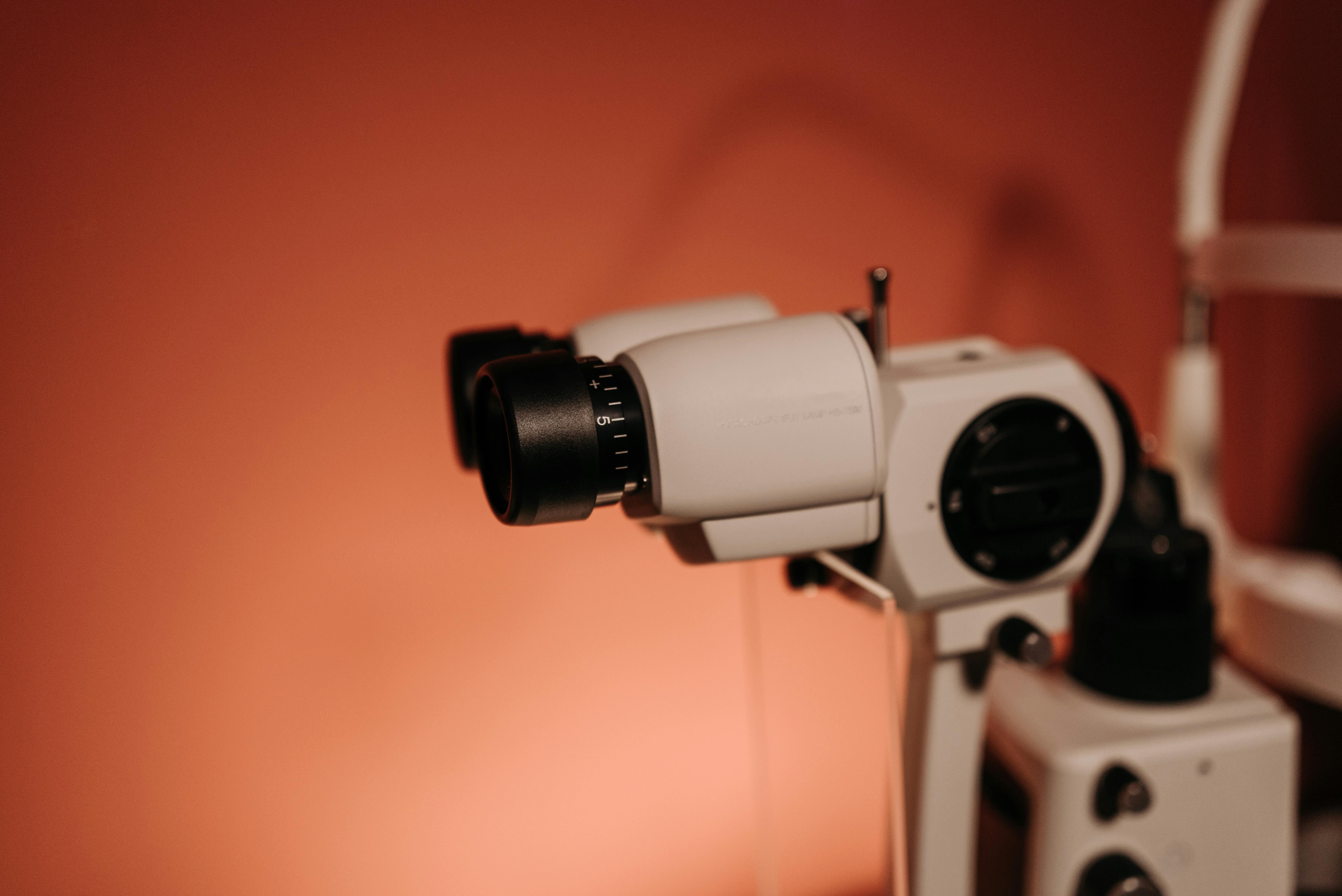
Digital Phoropter for Refined Prescription Testing
- Provides faster, more precise comparisons than manual dials.
- Ensures comfort and accuracy during “Which is clearer, one or two?” testing.
Optikam Digital Measurements for Glasses Fit
- Captures complex facial and frame measurements in seconds, personalizing the fit of your prescription lenses.
- Especially valuable for progressive lenses, digital device wearers, and strong prescriptions.
Local Benefits of Advanced Imaging in Glendale Heights
Lives and routines in Glendale Heights, Wheaton, Carol Stream, and surrounding areas are busy. Here’s why advanced imaging at iDoctor truly benefits local patients:
Earlier Disease Detection and Prevention
- High-resolution imaging uncovers silent eye diseases years before you notice symptoms, protecting your long-term sight.
- Regular screenings are particularly important if you have diabetes, a family history of glaucoma, or use screens for work.
Faster, More Comfortable Visits
- Optomap imaging is done in under a second, often with no dilation required.
- iCare tonometer removes anxiety around air-puff pressure checks.
- Digital phoropters speed up the prescription process, limiting eye fatigue during the exam.
Clear Explanations With Visuals You Can Understand
- See real images and 3D scans of your eyes while your optometrist explains your diagnosis and treatment.
- Patients consistently mention that these explanations make recommendations feel logical and trustworthy.
Premium Optical Results and Precise Customization
- Digital eyewear measurements allow truly accurate lens placement, reducing blur and improving progressives and computer vision lenses.
- Corneal mapping improves comfort and performance for specialty contact lenses—even for those who have failed standard fittings elsewhere.
Local Access and Convenience
- iDoctor’s office is nestled on Army Trail Road, near Jewel-Osco and minutes from Lombard, Addison, and Glen Ellyn. Free parking is available right at the entrance.
- Most vision insurances accepted, including VSP, Eyemed, Cigna, Humana, Davis, Superior, Spectera, NVA, and UnitedHealthcare Vision. Uninsured? Value packages are available, and appointments can often be scheduled same or next day.
- Appointments frequently available during weekdays, and the office environment is known for being immaculate and welcoming.
Your Advanced Eye Exam Step-by-Step: What Patients Experience
- Check-In & History: Staff confirms insurance, reviews your medications, symptoms, and vision goals. (Bring your current glasses/contacts for best results!)
- Imaging & Pre-Testing:
- Optomap photo and digital scans (fast, no pain, no puff).
- Eye pressure testing with iCare tonometer.
- Visual field screening if you’re at risk for glaucoma or have vision changes.
- Doctor Consultation:
- Personalized prescription testing with a digital phoropter.
- Reviewing high-resolution images and scans together on a large screen.
- Answering your specific concerns and creating a care plan tailored to your needs.
- Optical & Fitting:
- Selection of frames, including luxury and designer brands.
- Optikam digital measurements ensure your eyewear fits your face and prescription perfectly.
Total time is typically 45–60 minutes, even with all the advanced imaging steps.
Frequently Asked Questions: Advanced Imaging in Glendale Heights
Do I still need dilation if I get Optomap imaging?
For most patients, Optomap widefield imaging removes the need for traditional dilation. However, in rare cases with very small pupils or certain conditions, your optometrist may recommend dilation for a more detailed view. At iDoctor, the majority of exams can be completed comfortably without it.
Does insurance cover advanced imaging?
Basic exams and standard health checks are typically covered by major vision plans. Imaging options such as Optomap or OCT may be partially covered or considered supplemental, depending on your plan. iDoctor will verify your coverage and explain any out-of-pocket costs before advancing with testing.
Will these tests hurt or be uncomfortable?
No. All imaging at iDoctor is non-invasive. The iCare tonometer is gentle, Optomap and digital photos flash briefly, and OCT simply shines light. No air puff for most patients. If dilation drops are used, you might experience temporary light sensitivity for a few hours.
How long does it take to get new eyeglasses after the exam?
Most eyewear is ready in 7–14 days. Simple prescriptions may be ready sooner, while progressives or premium coatings may take a few days longer. You’ll receive an estimated completion date at checkout.
Is parking available? When should I arrive?
Yes, there is free parking directly in front of the clinic. Arrive 10–15 minutes early for your first visit to confirm info and complete pre-testing. Returning patients can usually arrive 5–10 minutes before their appointment time.
How to Book Your Advanced Imaging Eye Exam in Glendale Heights
Booking your advanced eye exam with iDoctor is simple. You can call, text, or book online. Same-day and next-day appointments are often available, and you’ll receive support at every step—from insurance verification to personalized frame fitting.
- Call or text: (630) 454-6899
- Book online: Visit the appointment page
- Prepare: Bring insurance info, current eyewear, and a medication list
Call iDoctor at (630) 454-6899 or book an appointment online. Convenient location, friendly team, and leading technology—all built around your vision needs.
For a detailed look at the benefits of digital measurements and tailored eyewear, read our guide on how Optikam digital fitting helps reduce blur and glare. Discover why so many choose iDoctor for vision care in Glendale Heights and surrounding communities.