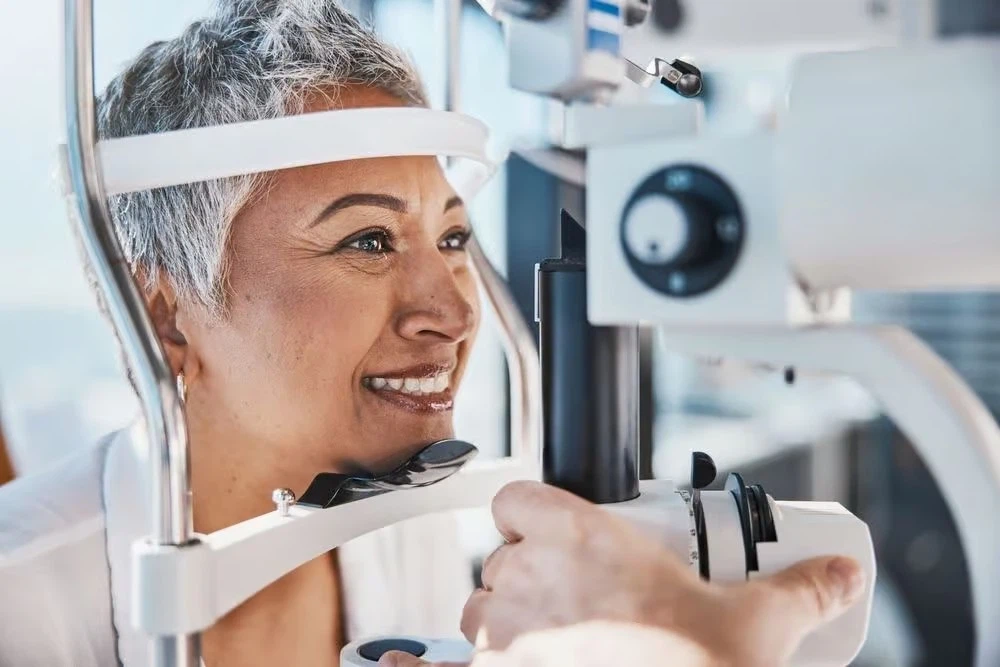
You can ensure your eye health and maintain it for long by having a regular schedule of eye exams with your eye doctor. This is because many complex and severe eye conditions are often symptomless. For example, glaucoma is a danger to your vision and can impact anyone, regardless of age.
How Common Is Glaucoma?
Glaucoma is the leading cause of loss of eyesight, impacting people from all demographics worldwide. The condition affects over three million Americans, but only half of them know they have been diagnosed. Moreover, at least 10,000 babies are born with the condition every day.
Many people do not know they have glaucoma because it is a silent and sneaky disease that develops gradually with slow changes to your vision. It is often called the silent thief of sight. An alarming number of people are unaware that it exists, which is why it is largely ignored.
One glaucoma study conducted a survey, and the researchers found that 30 percent of the participants had yet to learn what it was. Half of them had heard about it but did not understand the condition, its symptoms, or its dangers.
What Is Glaucoma?
Glaucoma is not a single condition but several conditions that damage the optic nerve, interfering with the communication of the eyes and the brain. The conditions usually cause an abnormal increase in intraocular pressure that impacts the delicate fibers making up the optic nerve. The damage causes permanent blind spots in your vision and, eventually, vision loss when left untreated.
Importance of Early Detection
Most forms of glaucoma develop gradually and only present identifiable symptoms when the condition is much more advanced. Some forms, however, develop quickly and require immediate medical attention to prevent loss of sight.
This means that the condition must be identified early to mitigate the damage it can cause. With early detection, the doctor can reduce the intraocular pressure and prevent its further increase. Often, most forms of glaucoma require lifelong management to avoid vision loss. Ensure to get your eyes checked regularly.
Risk Factors of Glaucoma
- Age
- Thin corneas
- Eye injuries
- Steroids
- Hispanic or African ancestry
- Family history of glaucoma or other eye conditions
- Illnesses like sleep apnea or diabetes
- Smoking
Treatment Options for Glaucoma
Patients with the condition must manage it for the rest of their life to preserve vision. The type of management depends on the form of glaucoma you have and the stage it is in. Laser, pills, and eye drop treatments can manage the condition, sometimes together. The aim is to maintain eye pressure at a specific level that does not harm your optic nerve.
For more on the importance of early detection for glaucoma, visit iDoctor at our office in Glendale Heights, Illinois. Call (630) 454-6899 to book an appointment today.