Noticing double vision in one eye after you blink can be unsettling, especially when it makes everyday tasks more difficult. Many patients in Glendale Heights first realize this change while driving along Army Trail Road, using a computer, or reading on their phone at the end of a long day. The good news is that this symptom is most often caused by local, treatable issues like an uneven tear film, changes in the cornea, or a lens condition—most commonly not a serious nerve or brain problem. If you start to notice this symptom, a thorough eye doctor in Glendale Heights is the best place to start. iDoctor provides advanced diagnostics and boutique optical expertise to quickly pinpoint the root cause and address your vision concerns.
What Monocular Double Vision Means (and What Causes It)
When double vision affects only one eye—called monocular diplopia—the source is almost always found within the eye itself. This is distinctly different from alignment or neurological problems, which typically cause double vision in both eyes only when both are open. Three primary causes stand out:
- Tear film instability: The most common cause, leading to brief ghosting or shadows that sometimes clear with a blink.
- Corneal shape or surface issues: Conditions like astigmatism, keratoconus, corneal scars, or surface dryness.
- Lens problems: Cataracts or other changes in the eye’s natural lens.
If you notice the double or ghosted edge goes away or improves for a moment after blinking, tear film instability is very likely. If it persists no matter how often you blink, it can indicate a more structural issue with the cornea or lens. Many people find these symptoms fluctuate more during allergy season, after long computer sessions, or when the indoor air is dry—especially in communities near Bloomingdale, Glen Ellyn, or Carol Stream, where seasonal dryness and allergy triggers are common.
Tear Film: Why Blinking Briefly Clears the Doubled Image
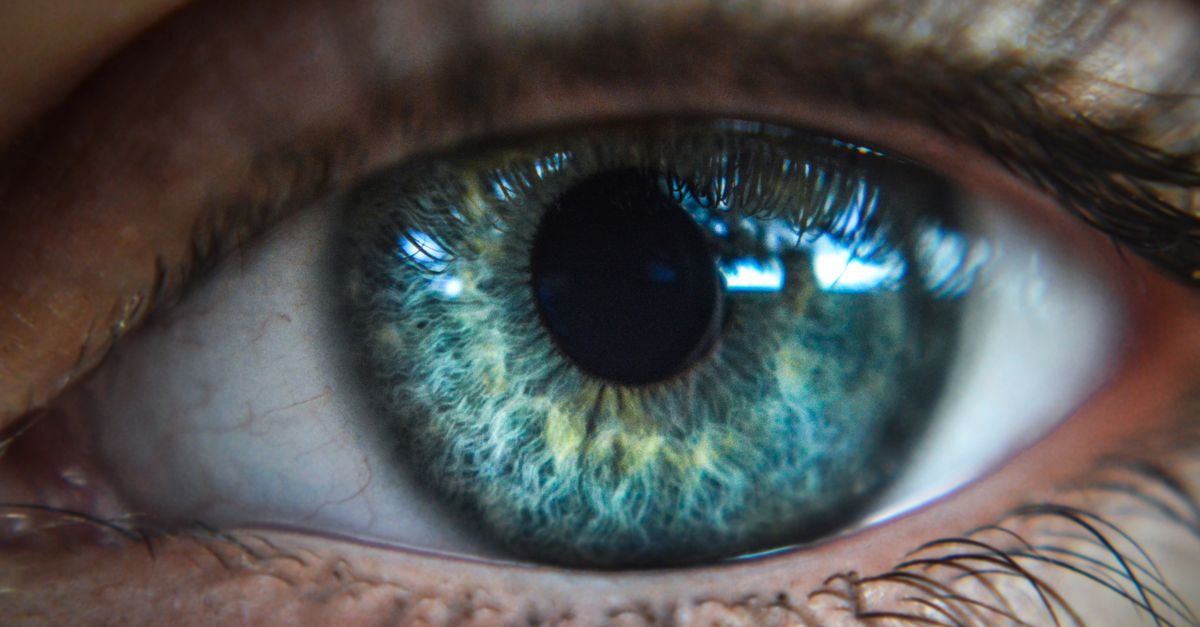
The tear film is a thin fluid layer that covers your eye’s surface. Its main job is to provide a smooth, optically clear surface for light to enter the eye. When this layer is uneven or dries up faster than it should—commonly due to screen time, air conditioning, or not blinking enough—light gets scattered. That split can create a faint double, shadow, or ghost image, which usually gets better for a moment right after you blink.
- Vision temporarily improves after blinking
- Symptom is worse with extended screen use, reading, or in dry environments
- Eyes may feel gritty, watery, or fatigued by afternoon
This pattern is extremely common and often linked to what many refer to as “dry eye syndrome.” For a more detailed breakdown of screen-time and comfort tips, see our internal post Air Conditioning and Dry Eyes: Relief Tips for Glendale Heights Patients.
Corneal Issues: When the Eye’s Surface Changes Light
If the problem persists regardless of blinking—or you have a history of vision correction for astigmatism—you may have a minor corneal irregularity. The cornea is the transparent, curved surface at the front of the eye. Slight changes in shape, dryness, or small scars can split light, causing a second faint image in one eye.
- Astigmatism: A common issue where the cornea is more oval than round
- Keratoconus: Thinning and bulging of the cornea changing its curvature
- Corneal scars: Old injuries or infections leaving the surface uneven
- Chronic dryness or contact lens use contributing to irregularities
Patients with corneal issues often say the ghosting is most obvious at night or when reading.
Lens-Related Ghosting: Cataracts or Lens Changes
The eye’s natural lens sits behind the iris and helps focus light sharply on the retina. With age, the lens can develop opacities called cataracts. These clouding changes can cause:
- Ghost or double images that don’t clear with blinking
- Halos and glare around lights, especially at night
- Gradually worsening vision over months or years
Unlike tear film issues, lens problems tend to be steady, and blinking rarely helps.
How iDoctor Pinpoints the Cause in Glendale Heights
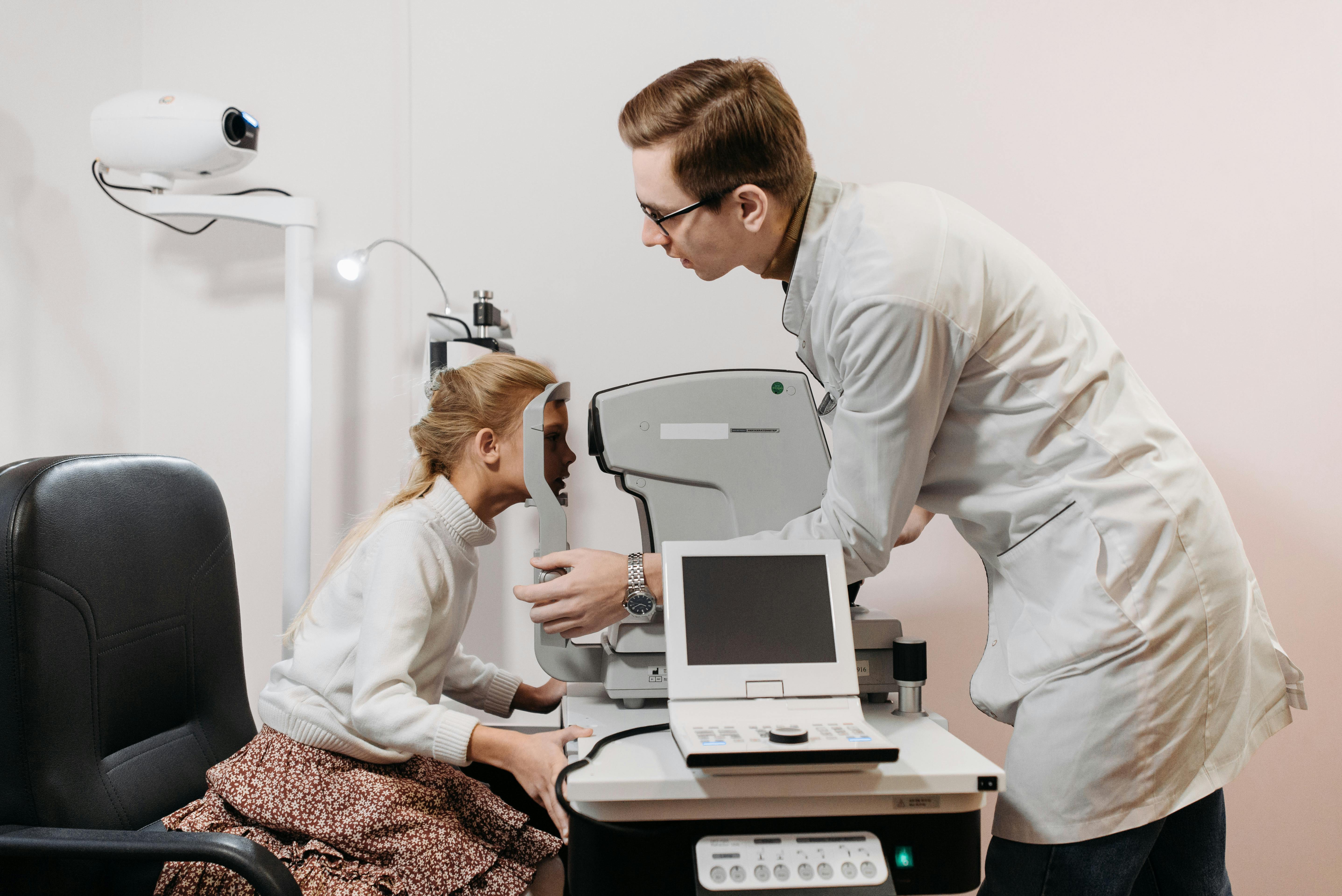
Many patients visit our boutique optical from Glendale Heights, Lombard, Addison, and surrounding areas looking for a detailed, technology-driven approach. At iDoctor, our process is highly individualized:
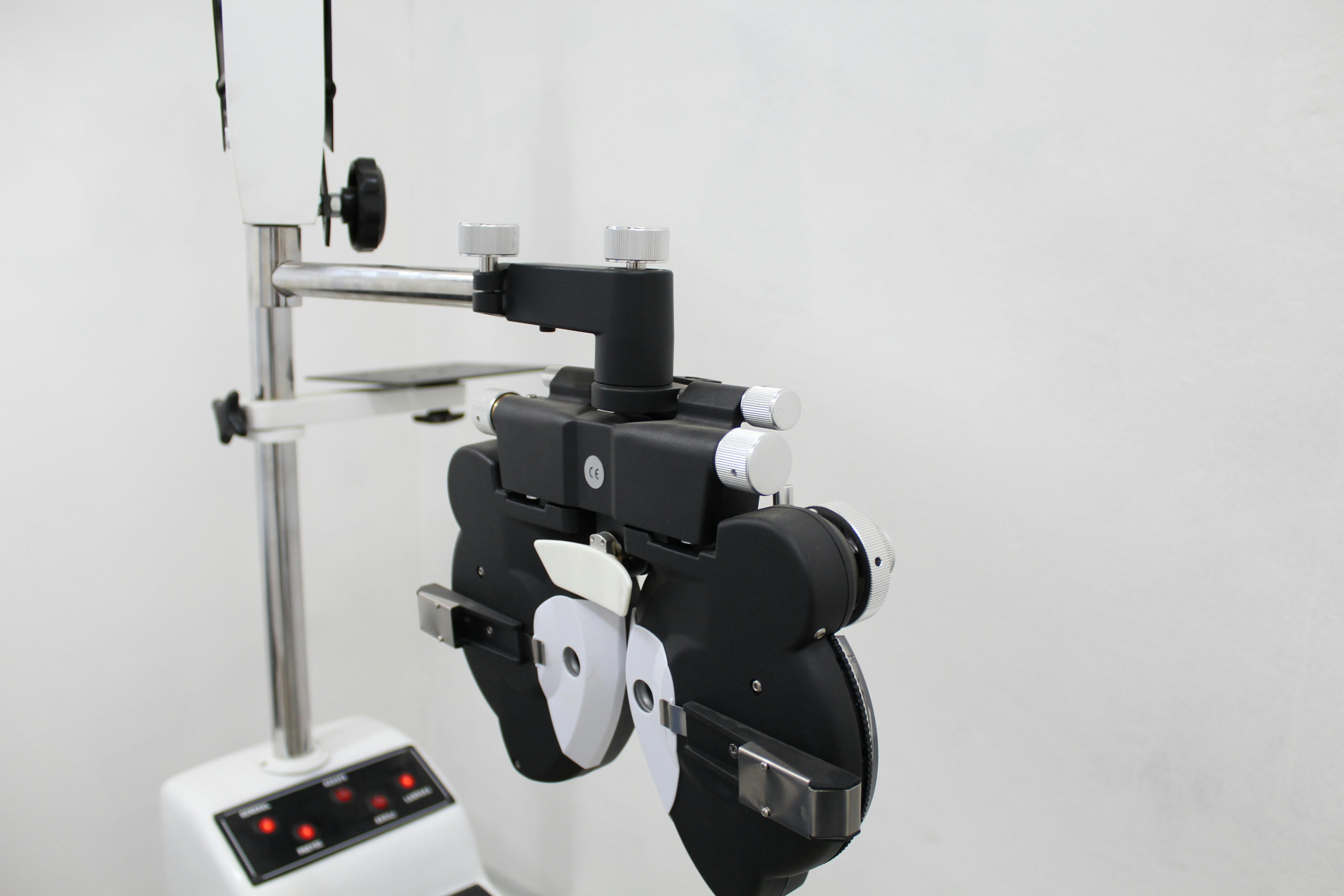
- Digital phoropters for hyper-precise prescription checks
- Widefield retinal imaging and slit lamp examinations
- Expert analysis of tear film and corneal surface with advanced diagnostics
- Custom-fit lens consultations for glasses and contacts
We also consider how your lifestyle, allergy exposure, and computer use might play a role. Our advanced imaging ensures you get both a medical explanation and practical solutions, including the right type of glasses, lenses, or treatment. Immediate appointments and same-week diagnostics are often available, so you do not have to wait for clarity or comfort.
What to Bring and What to Expect
- Bring all current glasses and contact lenses, so our team can evaluate each prescription and lens surface directly.
- Bring your medication list, vision insurance card, and details about any changes in overall health.
- Exams are never rushed. Our experienced optometrist, Dr. Saher Sayed, takes the time to explain what’s happening, show you images, and help you understand your options.
Local Benefits: Why Comprehensive Exams Matter in Glendale Heights
When you schedule with iDoctor in Glendale Heights, you get:
- Comprehensive assessment for the tear film, cornea, lens, and retina all in one visit
- Detailed explanations, patient education, and practical solutions
- Convenience: Located near Army Trail and Bloomingdale Roads; minutes from Carol Stream, Wheaton, Lombard, and Addison
- Immediate and next-day appointments available
- Accepted insurances: VSP, Eyemed, Cigna Vision, Humana, Superior Vision, Davis Vision, NVA, Spectera, UnitedHealthcare Vision
- Precision fit for premium eyewear or contact lenses, tailored to vision needs and personal style
We utilize advanced equipment such as digital phoropters, high-resolution retinal imaging, non-invasive eye pressure checks (tonometry), and digital lens measurements for accurate results. Our focus is not just on bringing your vision into clear focus, but also ensuring comfort and long-term eye health.
We also support patients from neighboring areas such as Bloomingdale or Glen Ellyn who value boutique-level service with advanced medical care. This makes us a regional hub for complex vision needs as well as fashion-forward eyewear seekers.
Best Practices: Steps if You Notice Double Vision After Blinking
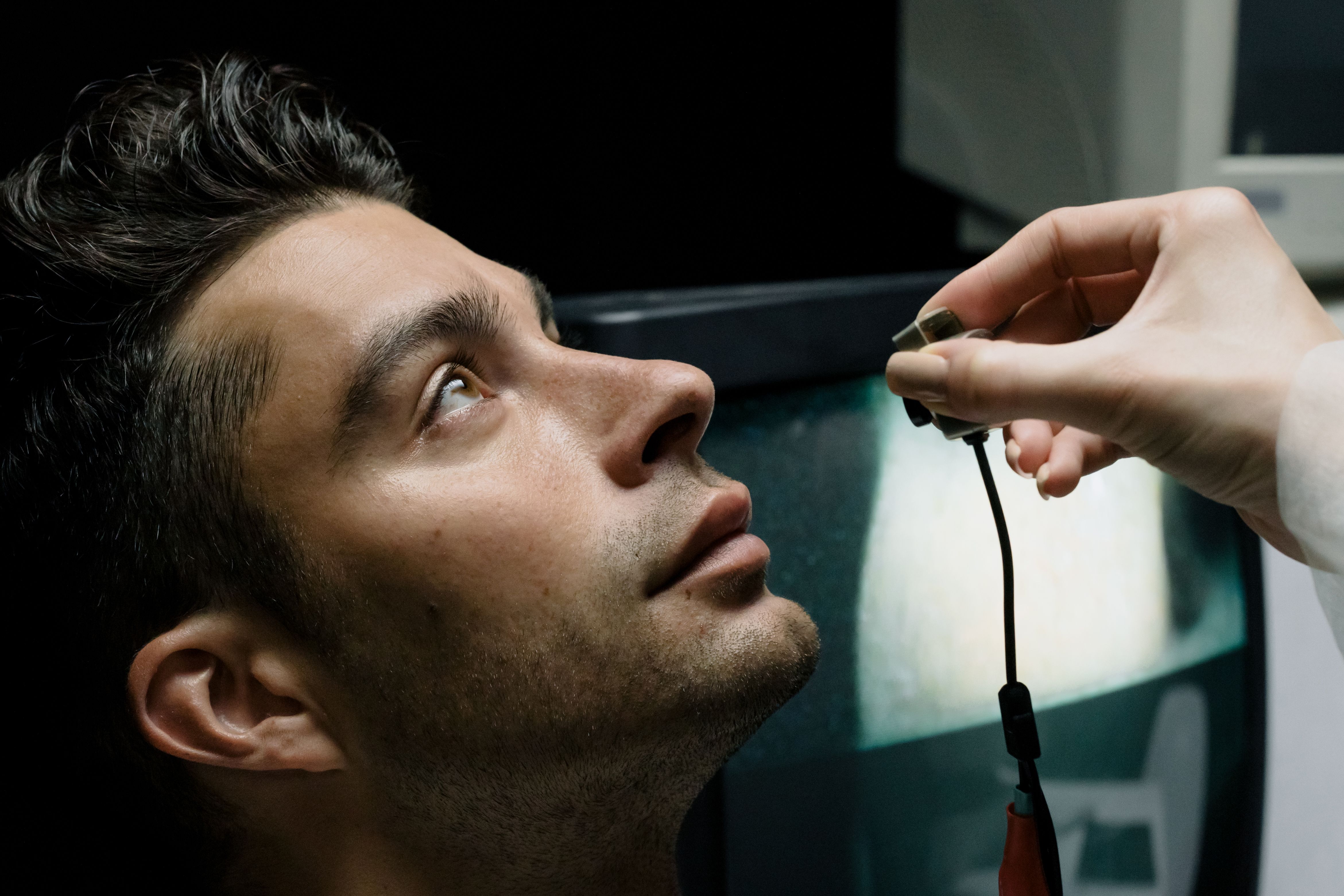
- Check each eye separately. Cover one eye at a time and see which eye is affected. If only one eye shows the ghost image, it’s likely a tear film, cornea, or lens issue.
- Notice changes after blinking. If vision clears for a second with a blink, dry eye is probably involved.
- Rest your eyes often. Use the 20-20-20 rule: every 20 minutes, look 20 feet away for 20 seconds.
- Use preservative-free artificial tears. Short-term, these can help reduce symptoms before your appointment—but only if your doctor has recommended them previously.
- Bring all eyewear to your visit. Your doctor can check for scratched or poorly fitting lenses that contribute to ghosting.
If you notice new or worsening symptoms, especially if blinking does not help, it’s important to schedule a detailed evaluation. While most causes are not emergencies, prompt care can rule out rare but concerning problems and start treatment sooner.
Related reading: For a deep dive on double vision danger signs affecting both eyes, see our guide on Double Vision Warning Signs.
Comprehensive FAQ – Double Vision in One Eye After Blinking
Is monocular double vision an emergency?
Usually not, as it is most often caused by local issues like dry eye, astigmatism, or cataracts. However, any sudden vision change deserves prompt attention from an eye doctor to confirm it is not rare retinal or neurological cause.
Can dry eye really cause double or ghosted vision?
Yes. An uneven tear film splits light, causing faint double images. The tell-tale sign is ghosting that gets better right after blinking.
What if my vision only doubles at night or with certain glasses?
This can indicate an issue with your glasses prescription, anti-reflective coating, or even very mild cataracts—especially under glare from headlights. Our advanced optical fitting technology helps us diagnose and correct these subtle problems. For more, read our post 20/15 Vision but Still Struggling to See?
How long does it take to get prescription glasses at iDoctor?
Our turnaround time for glasses is typically 7–10 business days, depending on lens complexity and insurance processing. Priority rush is available for urgent needs. For more detail, see How Long Do Glasses Take?
Does iDoctor offer same-day eye exams or weekends?
Yes, we offer same-day and next-day appointments whenever possible. Our regular hours are Monday 9-5, Tuesday/Wednesday 9 am–5 pm, Thursday/Friday 9-5. Please call for current weekend or emergency hours.
How to Book Today – Eye Exam Glendale Heights
If you’re experiencing double vision in one eye after blinking, don’t let it disrupt your work or comfort any longer. iDoctor is ready to help with advanced diagnosis, compassionate care, and personalized eyewear solutions. See our recent patient reviews for more on the boutique difference. We look forward to helping you see clearly and comfortably again.