Seasonal allergies is a medical condition similar to other forms of allergies that occur when the body’s immune system reacts to an external material in the environment during seasonal periods when plants and trees are pollinating. Seasonal allergies have a tremendous effect on millions of individuals annually causing a negative effect on eyesight. Seasonal eye allergies cause the eyes to become itchy, watery and red which in medical terms is referred to as allergic conjunctivitis. There are many allergens that can make our eyes go itchy and very red including dust, pollen, and smoke. These allergens, however, vary from one person to another. For example, while dust can cause itchy eyes for me, it might not be the same for you as it all depends on our immune system and the way it reacts against such substances.
When something is regarded as a dangerous substance by the eye, a chemical response is elicited to fight against the allergen which is what leads to the itchiness, redness, and soreness in the eyes. These reactions are usually a result of a change in seasons, mostly occurring in the spring when plants and trees are pollinating and during the fall when the ragweed plants are pollinating.
Seasonal Allergies Effect on the Eyes
As we mentioned earlier, allergens affect people differently, but there are general ways in which everyone reacts. You would know an individual is suffering from allergies through the following symptoms.
- Teary eyes
Since the eyes perceive substances like dust, smoke, pollens as harmful to the normal conditioning of the eyes, there is an automatic release of water in order to clean the eyes which is more of a defense mechanism against these foreign items. - Swollen eyes
After the entry of these foreign items, it is very natural to feel itchy and want to scratch the affected eyes. During the scratching, the skin covering the eyes would become swollen due to continuous friction. - Dry eyes
Dry eyes occur most times during winter seasons, not because of allergens like dust or pollen, but whenever there is extreme cold or snow. This causes the eyes to become dry which leads to soreness and redness. - Itchy Eyes
Allergens are carried by air and could end up in your eyes at any time. A reaction to these allergens would cause your eyes to feel irritated from the inside and would create the urge to then scratch your eyes in an attempt to provide some relief. - Red Eyes
Redness of the eyes is usually accompanied by other symptoms such as itchy eyes which cause the eyes to become swollen and very red. There are also capillaries inside the eyes that can become red whenever one is faced with an allergy.
Prevention
It is nearly impossible to prevent allergens due to the fact that they are carried around by air. There are, however, some things that can be done by you to help reduce your chances of being exposed to allergens. One of the first precautions is to remain indoors on windy days since more allergens are carried around at a faster pace. If it is necessary to go out, be sure to wear a pair of sunglasses that provide adequate coverage for the eyes. Furthermore, wearing pollen masks and/or sunglasses when working in the yard could help to prevent anything from blowing into your eyes.
Treatment
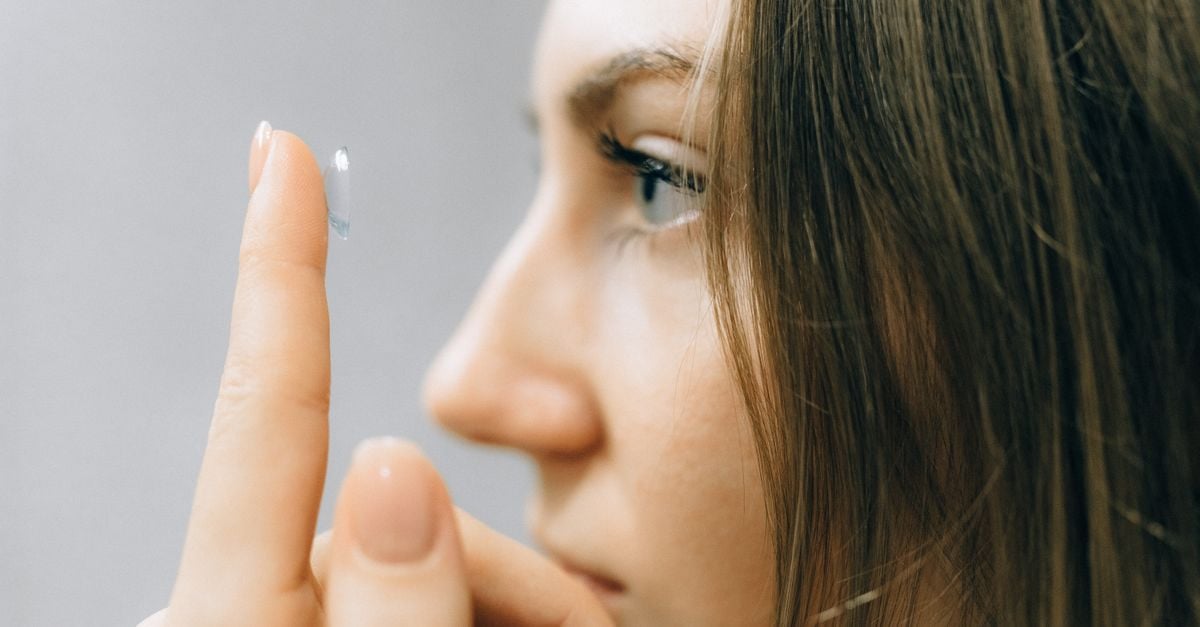
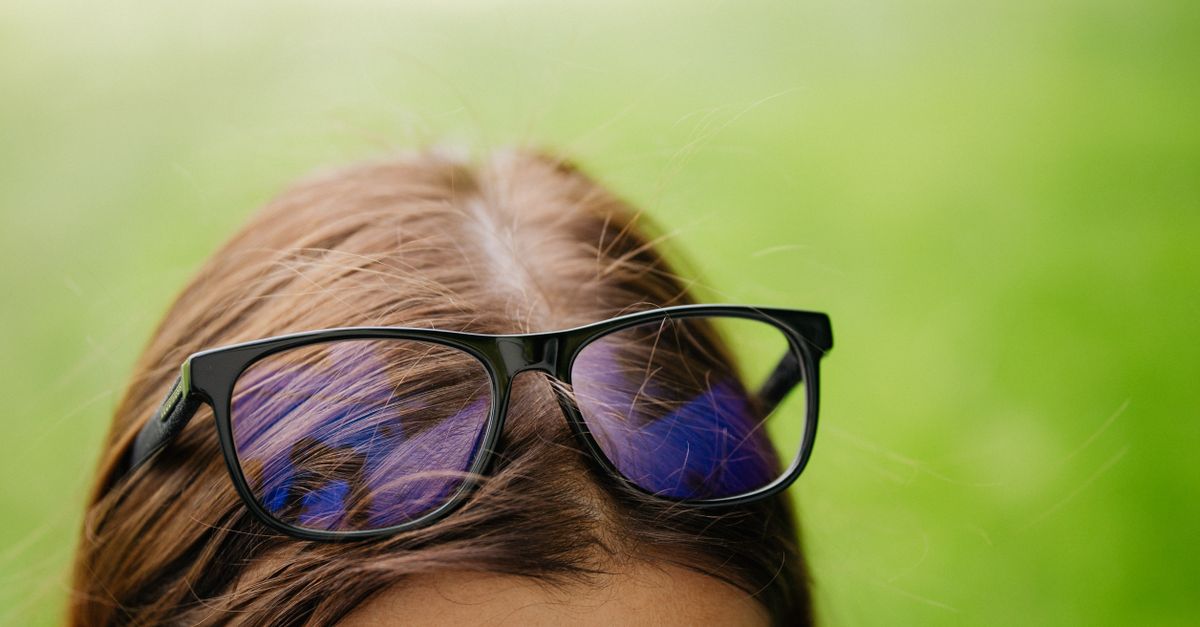
Whenever you are suffering from allergies, be sure to stay hydrated, use any doctor recommended eye drops you may have to help reduce irritation, and if you use contact lenses, switch to a pair of glasses to add some extra protection as well as prevent further eye discomfort. Lastly, try to avoid scratching your eyes as much as possible to prevent any additional complications.