If you are experiencing vision symptoms such as shadow images, ghosting, or double vision, it is important to describe what you see with as much detail as possible. For Glendale Heights residents, knowing whether you have shadow images or true double vision can guide the right next step for your eye health. At iDoctor, our advanced diagnostic approach ensures you get clear answers—so you do not rely on guesswork. Patients from nearby Bloomingdale and Glen Ellyn also appreciate our same-day availability from a trusted eye doctor in Glendale Heights.
Need clarity today? Call iDoctor at (630) 454-6899 or book an appointment online for a detailed exam. Rapid scheduling is usually available.
What this Service Is: Defining Shadow Images and Double Vision
The distinction between shadow images (ghosting) and true double vision (diplopia) is foundational to understanding your symptoms—and helps your optometrist address the underlying cause.
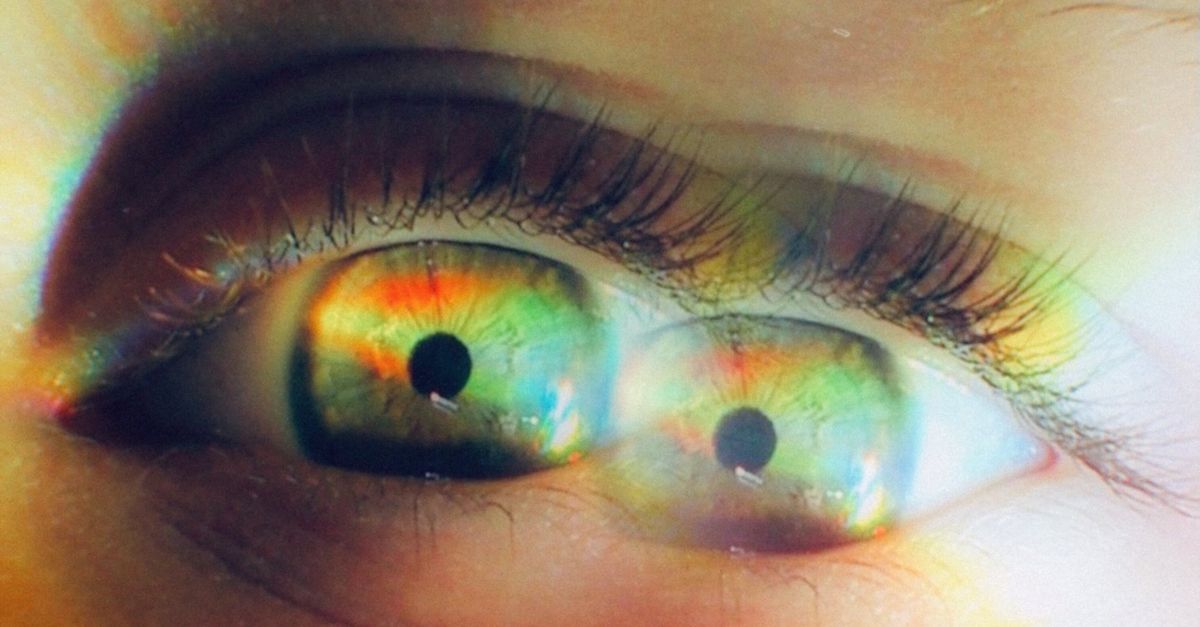
- Shadow images (ghosting): These appear as faint, translucent duplicates or outlines next to letters, signs, or objects. They often look like a soft haze or echo, not a fully separate clear image. This is usually a monocular symptom, meaning it remains when one eye is covered. Common causes include dry eye, irregular corneal surfaces, lens changes, or subtle refractive error.
- True double vision (diplopia): This is when you see two distinct, separate images that do not overlap perfectly. The two images may be side by side, stacked, or at an angle. This often indicates a binocular problem—meaning the symptom disappears if either eye is covered, reflecting eye misalignment, muscle weakness, or nerve issues. True double vision requires detailed medical assessment.
Describing whether you see a faint ghost or a clear, complete duplicate greatly helps your eye exam. At iDoctor, our optometrist will ask if the extra image is faint or sharp, shadowy or solid, and whether it occurs in one eye or both. This high level of detail ensures a targeted approach, from lens measurements to ocular health testing.

At-Home Symptom Test: Ghosting or Double Vision?
Try this before your visit:
- Cover one eye, then the other, while looking at an object (text, sign, or face).
- If the extra shadow or duplicate remains with either eye covered, it is monocular—usually a ghost image caused by the eye itself.
- If the doubling disappears when either eye is covered, it is binocular—most often due to eye muscle or nerve issues and true double vision.
This information will help your optometrist in Glendale Heights quickly focus on either optical, ocular surface, or neurological causes.
Key Details to Share at Your Eye Exam
- Is the duplicate faint or sharp? (Shadowy ghosting versus clear double image)
- Do images appear side-by-side, above and below, or tilted?
- Is it always present, or only when reading, driving, or looking far away?
- Does it improve with blinking, artificial tears, or certain lighting?
- Are there other symptoms, such as eye pain, droopy eyelid, headache, or recent injury?
With this context, iDoctor can perform focused testing that saves you return visits and offers real peace of mind.
Local Benefits in Glendale Heights: Why See a Specialist Here?
Access to a highly detailed eye exam near home is essential when vision changes are sudden or unpredictable. iDoctor’s diagnostic technology includes digital phoropters, retinal imaging, tonometry, and visual field assessment—ensuring you get a thorough evaluation, not just a quick prescription check. Our practice is conveniently located on Army Trail Road, near the Jewel-Osco shopping area and Bloomingdale Road, minutes from Glen Ellyn, Carol Stream, Addison, Wheaton, and Lombard.
Local proof points and convenience:
- Insurance-friendly: iDoctor accepts VSP, EyeMed, Cigna Vision, Humana, Superior Vision, Davis Vision, NVA, Spectera, and UnitedHealthcare Vision. Most patients can use their vision benefits the same day.
- Same-day and next-day appointments: Rapid access for new symptoms or urgent concerns—especially important if you notice sudden double vision, pain, or other neurological warnings.
- Uninsured? Take advantage of iDoctor’s $200 Value Package for a complete pair of glasses with premium lenses and anti-reflective coating.
- Advanced E-E-A-T: Our team provides detailed explanations using advanced diagnostics and widefield retinal imaging, maximizing exam value and comfort. Patients comment on the clarity of communication and the personal attention throughout the process.
What patients say: “Dr. Sayed took time to explain what my prescription meant and even used visuals to make it all easier to understand.” – iDoctor patient

iDoctor’s expertise also extends to boutique lens fitting, using Optikam digital measurement for extra comfort and accuracy, which can reduce symptoms of ghosting tied to lens or frame alignment. For more on this, see our earlier post on luxury glasses fitting for sensitive cases.
FAQs: Describing and Solving Shadow Images and Double Vision
How do I know if I have ghosting or true double vision?
Ghosting usually looks like a faint, blurry outline or shadow next to an object, and stays visible if you cover one eye. True double vision shows two separate, clear images and disappears if you cover either eye. Binocular double vision is cause for urgent assessment if it appears suddenly.
Can dry eye cause shadow images?
Yes. Dry eye is among the most common causes of ghosting and shadow images. Other causes include corneal irregularity and lens opacity. Monocular ghosting (seen in one eye) points to an issue in that eye rather than a muscle or nerve problem.
When is double vision urgent?
If double vision begins suddenly, especially with symptoms like headache, droopy eyelid, weakness, speech changes, or pupil abnormalities, seek urgent care immediately. Some neurologic events require prompt attention.
Can glasses or lenses help?
Yes, in many cases. Prescription updates, anti-reflective coatings, and digital lens designs can improve vision if ghosting or monocular doubling is due to optical causes. Medical problems causing double vision require different solutions, and our advanced testing can tell the difference.
How long do eyeglasses take at iDoctor?
Timing depends on frame selection, lens design, coatings, and any special measurements, but our team explains turnaround in detail after your exam. Fast solutions may be available if you need urgent help—ask during your visit.
How to Book an Exam Today
If you are seeing faint shadows, ghost images, or true double vision in Glendale Heights, do not try to self-diagnose. Only a thorough eye exam can pinpoint the cause and suggest the safest, most comfortable next step. Schedule your visit with iDoctor by calling (630) 454-6899 or booking online—we often have openings for same- or next-day care. Our clinic is near Army Trail Road and Bloomingdale Road, making us accessible for anyone coming from Lombard, Carol Stream, Addison, or Wheaton.
Questions about shadow images, true double vision, or which test you need?
Call iDoctor at (630) 454-6899 or book an appointment online for a comprehensive, friendly experience.
Want more details on specific double vision patterns? See our blog on double vision that disappears when one eye is covered for practical diagnostic steps and reasons to seek help promptly.
Why iDoctor in Glendale Heights?
Whether you need answers about ghosting, double vision, or prescription accuracy, iDoctor combines expert diagnostics, boutique lens selection, and a local, patient-focused approach. From those new to designer eyeglasses in Glendale Heights to patients wanting fast medical advice, our advanced equipment and compassionate care deliver results you can trust. Schedule your visit today and move from uncertainty to a clear, confident visual plan.