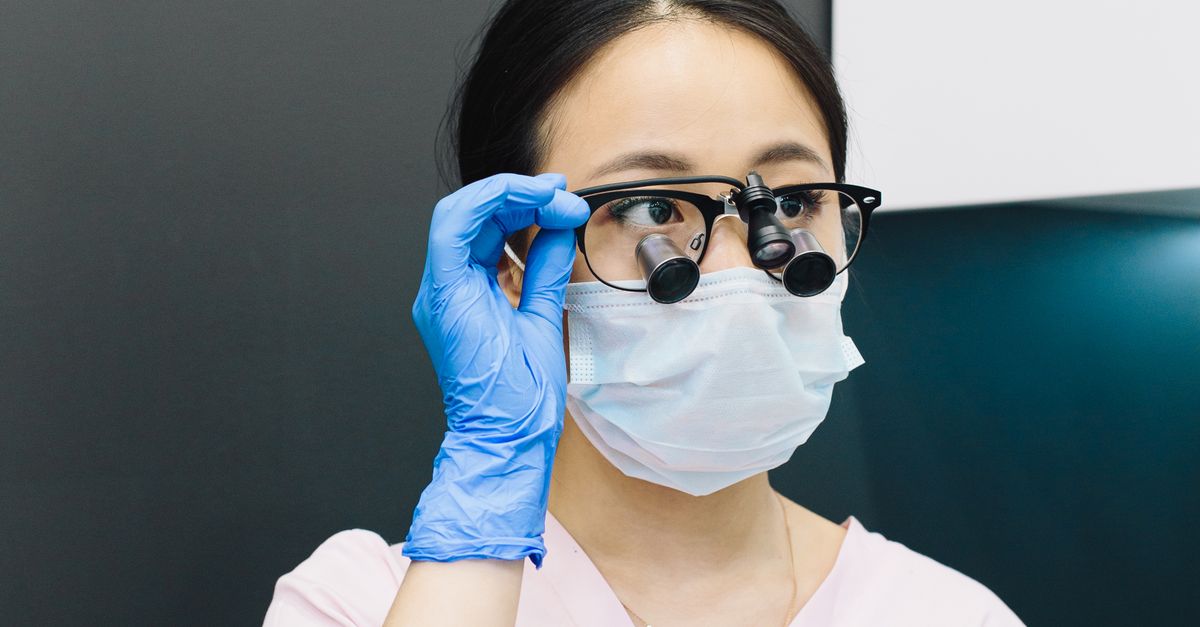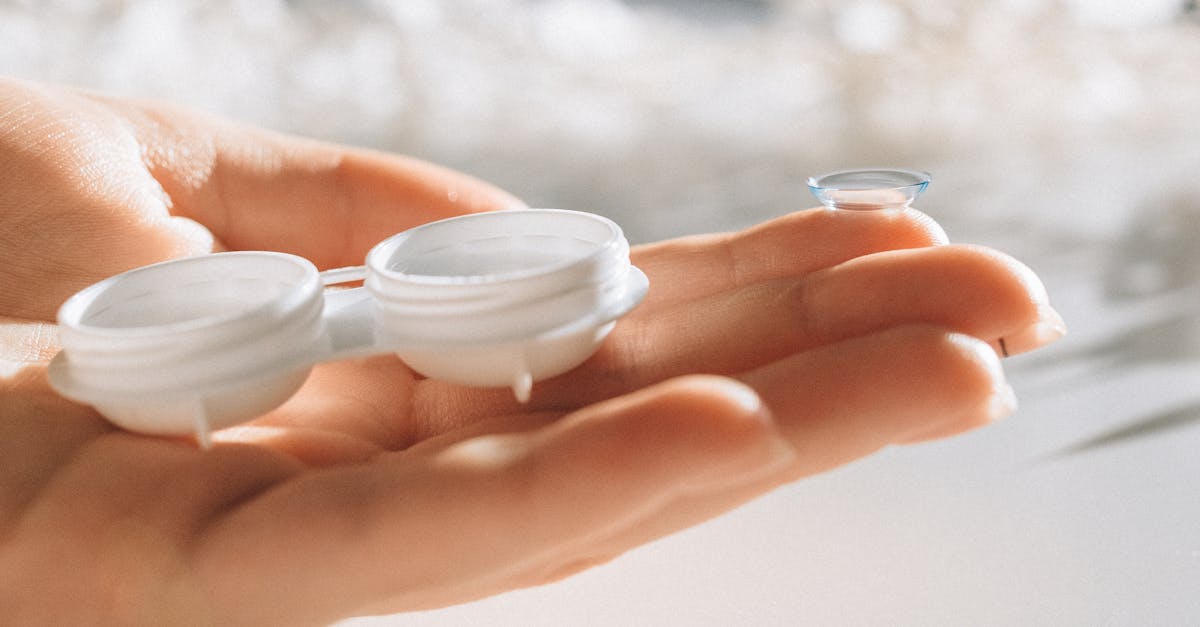
Spring allergy season in Glendale Heights often brings a surge of discomfort for contact lens wearers. Red, itchy, or watery eyes can turn a simple routine into a daily struggle, especially when lenses seem to capture every allergen in the air. Thankfully, expert guidance and the right adjustments can help you stay comfortable. As a trusted provider of glendale heights contact lenses and boutique optical care, iDoctor is here with actionable strategies for navigating spring and keeping your vision clear.
Call iDoctor today at (630) 454-6899 or book an appointment online for a personalized contact lens and allergy evaluation in Glendale Heights.
What Are Spring Allergies and How Do They Affect Contact Lens Wear?
During the spring in Glendale Heights, tree and grass pollens peak, filling the air and making allergies worse for many residents. Contact lenses, especially reusable types, can trap these tiny allergens against the eye’s surface. The result is often intense irritation:
- Itching and redness caused by histamine release
- Watery, burning eyes from the body’s natural response to flush out allergens
- Swollen lids and a gritty sensation
- Vision that blurs as lenses collect pollen and debris through the day
Soft lenses act like sponges for pollen, dust, and even residues from hand lotions or soap. Even with careful cleaning, allergens can remain trapped, increasing inflammation. That’s why many patients from Glendale Heights, as well as nearby Bloomingdale and Carol Stream, report worsening symptoms as spring progresses.

Local Benefits: Tailored Allergy and Contact Lens Solutions in Glendale Heights
Knowing when to switch your contact lens routine requires more than guesswork—especially when comfort and vision are at stake. At iDoctor, patients across Glendale Heights, Lombard, Addison, and Glen Ellyn rely on us for:
- Detailed Evaluations: We review your lens type, wearing schedule, and allergy symptoms, looking for telltale signs like rapid discomfort within four hours, worsening redness after lens removal, or vision that gets blurry as the day goes on.
- Advanced Diagnostics: Our high-resolution digital phoropters, Daytona Optos retinal imaging, iCare tonometer, and visual field checks give a complete picture of your eye health and allergy status in just one visit. This data helps distinguish between allergy-driven irritation and underlying dryness or disease.
- Boutique Fitting and Support: We fit daily, biweekly, monthly, toric, and multifocal lenses, and provide trial options for brands like Acuvue, DAILIES, Clariti, and MyDay. If needed, we transition patients to premium prescription glasses—Varilux XR, Eyezen, and polarized Xperio UV sunglasses—for those especially tough allergy days.
- Insurance and Same-Day Availability: iDoctor accepts VSP, Eyemed, Cigna Vision, Humana, UnitedHealthcare Vision, Superior Vision, Davis Vision, NVA, and Spectera. Many exams and trial lens evaluations are available same or next day.
- Convenient Location and Parking: Our office is at 132 E. Army Trail Rd., just past Jewel-Osco near the intersection with Bloomingdale Road, with ample on-site parking. Patients from Carol Stream, Wheaton, and Addison reach us in minutes.

Step-by-Step: When and How to Switch Your Contact Lens Routine in Spring
Here’s the framework we use at iDoctor for evaluating and improving contact lens comfort during allergy season:
- Recognize the Red Flags: Irritation in less than 4 hours, redness after removal, constant need for allergy drops, and mid-day blurring are all signs it’s time to adjust your routine.
- Switch to Daily Disposables if Possible: These lenses offer a fresh, sterile surface each morning, dramatically reducing pollen and protein buildup.
- Upgrade Your Cleaning Habits for Reusable Lenses: Wash hands with soap and water, rub and rinse each lens as directed, and never reuse yesterday’s solution. Change your case every three months.
- Limit Allergen Exposure: Wear wraparound sunglasses outdoors, keep windows closed, use a HEPA filter at home, and shower before bed to remove pollen from eyelashes and hair.
- Use Drops Properly: Not all eye drops are safe for use with contact lenses. We recommend preservative-free artificial tears and, when needed, prescribe allergy drops designed for contact lens wearers. Apply drops at least 10-15 minutes before insertion unless otherwise directed.
- Check Your Prescription and Overall Eye Health: A comprehensive exam with digital imaging ensures allergies are the cause and rules out infections or chronic dryness.
For Teens and New Wearers
If you’re considering contacts for a teenager during allergy season, read our guide on training and follow-up for teens wearing contact lenses in Glendale Heights.
Best Practices for Allergy Relief with Contact Lenses
- Change into glasses on high pollen days or when irritation starts; keep a backup pair with premium lenses and coatings for clarity and comfort
- Communicate all over-the-counter and prescription drops you use with your optometrist
- Avoid rubbing your eyes, which can worsen irritation and drive allergens deeper under the lids
- Follow replacement schedules exactly—never “stretch” wear time, especially during allergy peaks
- Book a comprehensive lens exam every year, sooner if your symptoms escalate
Patient Experience: Real Stories
I finally understood why my vision had been so uncomfortable in contacts, and we adjusted my lenses and allergy plan so my eyes feel much better in my new Tom Ford frames and contact lenses.
— iDoctor patient
Local patients consistently highlight the in-depth explanations and advanced diagnostic approach at iDoctor. One reviewer from Bloomingdale shared, “The eye exam was incredibly thorough, and she took the time to explain everything in a way that made sense.”
FAQs: Spring Allergies and Contact Lenses in Glendale Heights
How do I know if I should stop wearing my contacts because of allergies?
Stop wearing your lenses and call if you experience marked redness, pain, sudden blurred vision, thick discharge, or light sensitivity. If symptoms improve quickly after removing lenses, schedule an exam at iDoctor to adjust your routine.
Can I wear daily disposable contacts every day in spring?
Yes, many people wear daily disposables every day during allergy season with excellent comfort since each lens is new and sterile. Never reuse daily lenses, and let us confirm your best wear time during your exam.
Should I switch to glasses only on bad pollen days?
Many patients swap to glasses on high pollen days or evenings when itching and redness become distracting. We’ll help you build a flexible routine that puts comfort and safety first.
How long does it take to get new contacts or glasses?
Trial contacts are often available the same day as your fitting. Most finalized contact lens orders arrive in about 5–7 business days, while prescription glasses typically take 7–10 business days depending on the design. We provide exact estimates when you order.
Is there parking at iDoctor’s Glendale Heights office?
Yes, there is ample on-site parking at 132 E. Army Trail Rd., just past Jewel-Osco. It’s quick and easy for patients from neighboring cities like Glen Ellyn, Carol Stream, and Lombard.
How to Book Today: Immediate Appointments and Personalized Guidance
If you’re struggling with spring allergies and want dependable solutions for your lenses, glasses, or eye comfort in the Glendale Heights area, it’s easy to get started:
- Call iDoctor at (630) 454-6899 or book online for a comprehensive exam
- Bring your current glasses, contacts, and a list of medications
- We’ll help you test new lens routines, care systems, and allergy drop schedules until you feel comfortable
- We verify your vision benefits and outline all options before you buy
For more year-round tips, visit our post on eye drop safety and dry contact lens comfort in Glendale Heights.
If you value in-depth care, high-end lens options, and specialty optical advice, iDoctor is ready to help you thrive this spring—and all year round. Find us near Army Trail and Bloomingdale Roads, and reach out for same-day or next-day appointments. Your vision and comfort are always our top priority.